


Two Easy Ways to Start Earning Rewards!
Become a member today! Members-only pricing and offers, personalized care notifications, Vital Care points back on every purchase and more!
 Become a credit card member today!
Earn 2X Pals Rewards points at Petco
when you use Petco Pay!APPLY NOWLearn More About Petco Pay Benefits
Bichon Frise
Updated on June 17, 2025




The Bichon Frise is a cheerful, loving companion known for their playful spirit and affectionate nature. This breed thrives on interaction and learning. With proper grooming and companionship, Bichons make delightful pets for nearly any household.
Temperament
Merry, affectionate, social
Colors
White, White & Apricot, Buff, Cream
 WEIGHT
10 - 20 Pounds
 HEIGHT
9 - 12 Inches
 LIFE EXPECTANCY
12 - 15 Years
Maintenance Level
Low Maintenance
High Maintenance
Friendliness
Reserved
Extroverted
About Bichon Frise
A white halo surrounds this angelic little companion. Gregarious, lively, entertaining, sometimes mischievous, and always companionable, this sturdy lap dog has been warming our hearts for half a millennia. With a knack for tricks, the Bichon Frise is easy to train, and fun to play with. They enjoy the company of people and other animals so much that they easily become lonely when left to themselves. Bichons are generally healthy and long lived, with a coat that will require regular attention for many years. This breed is great for families, the elderly, and just about anyone who has a love for fluffy smiles and shining black eyes.
Other Names: Bichon
Non-Sporting Group
The breeds in the Non-Sporting Group are a varied collection in terms of size, coat, personality and overall appearance.
Bichon Frise Appearance
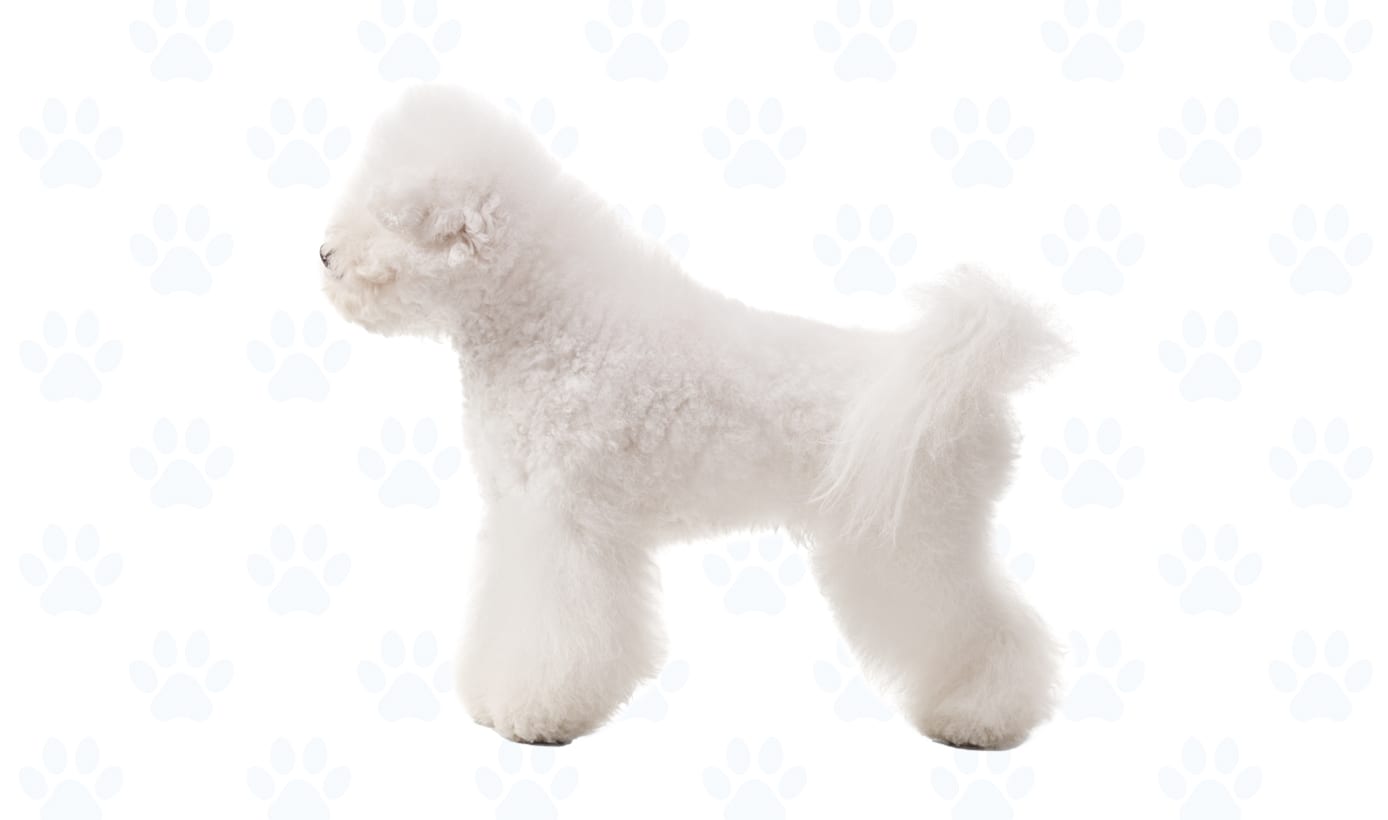
The Bichon Frise is a small white dog that can only be described as “poofy,” albeit with a with a purposeful, alert appearance. They are most easily recognized by their fleecy white coat and inquisitive, dark-eyed expression. While it’s hard to tell what they look like under all of that hair, the Bichon Frise has a slightly rounded head, somewhat short muzzle, and medium-length triangle ears that are often groomed to blend seamlessly into their puffy coat. They are actually medium boned and sturdily built, heavy for a dog their size.
The Bichon coat is plush and velvety. It consists of a downy undercoat and a more coarse topcoat. The combination of the two is dense and springy to the touch. Typically, Bichons are completely white, though it’s possible to have a bit of gray or apricot around the ears.
Size & Weight
While it’s hard to tell what they look like under all of that hair, the Bichon Frise has a slightly rounded head, somewhat short muzzle, and medium-length triangle ears that are often groomed to blend seamlessly into their puffy coat. They are actually medium boned and sturdily built, heavy for a dog their size.
Full Grown
Female
9 in. / 10 lbs.
Male
11 in. / 20 lbs.
Height is measured up to the shoulders.
Characteristics
- Size & Coat
- Lifestyle
- Training & Behavior
How to Care for a Bichon Frise
Caring for a Bichon Frise means nurturing a cheerful companion wrapped in a soft, cloud-like coat. These playful dogs flourish with regular grooming, gentle training, and daily mental stimulation. With a consistent routine, your Bichon’s bright personality and signature fluff will stay happy and healthy for years to come.
Cost of Owning
Savings & Rewards
Unlock exclusive rewards with Vital Care, or enjoy up to 35% off essentials when you subscribe with Autoship.

Enjoy exclusive rewards every time you shop. Get member-only deals, points, and special offers designed to help you save more on what your pet needs.

Never run out of the essentials. Subscribe and get your pet’s favorites delivered on schedule—with up to 35% off plus the convenience of automatic refills.
Cross Breeds
Select a Breed to Cross
Choose a breed from the dropdown to see potential crosses.
BichonPoo
Your love story starts here.
Find adoptable pets near you with a simple search.
Fun Facts
“Bichon” actually refers to a family of similar looking dogs including the Maltese, Bolognese, Havanese, Bolonka, Lowchen, and Coton de Tulear.
Barbara Streisand had a Bichon named Sammy and dedicated her version of Charlie Chaplin’s “Smile” to his memory.
Bichon Frises are among the Top 3 breeds with the most positive sentiment on Instagram.
It’s said that Henry III used to carry his pet Bichons in a basket tied around his neck.
History
Origin: The Mediterranean region, 14th c.
Bichons Frises originally descended from water spaniels and Poodles in the Middle Ages and have been companions for more than 600 years. Their ancestors sailed from the Mediterranean and were bartered around Europe during goods exchanges. They were favorite companions of the Spanish and Italian, but really rose to fame with the appreciation of Henry III in France. After the French Revolution, these royal lapdogs fell from popular favor, and were nearly extinct at the beginning of the 20th century. The breed’s slow comeback is thanks in part to a 1960’s Australian TV show that featured a Bichon Frise. Their numbers improved the 21st century and the breed became registered with the AKC in 1973.