Two Easy Ways to Start Earning Rewards!
Earn 2X Pals Rewards points at Petco
when you use Petco Pay!
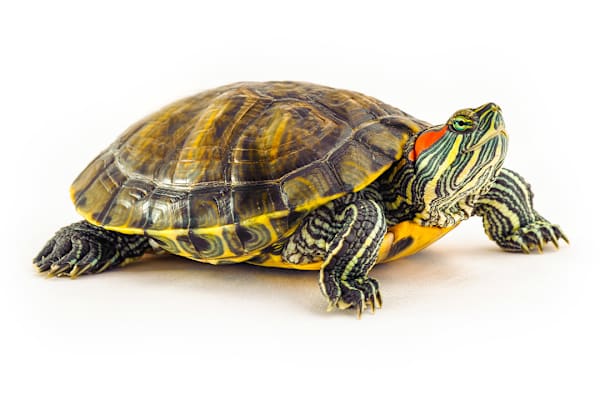
Learn how to care for aquatic turtles available at Petco. Care Sheets provide you with essential info on how to best take care of these interesting pets.
Updated on July 26th, 2026
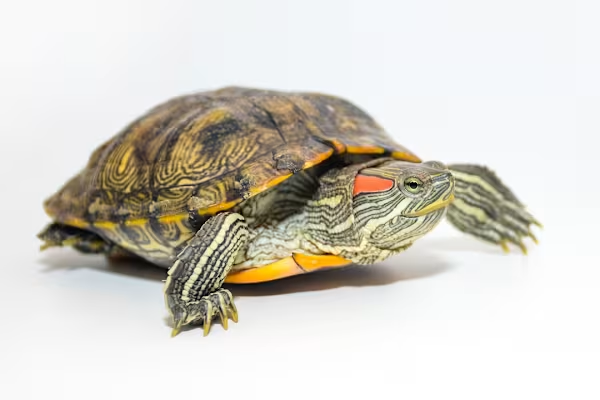
The Red-eared slider is named for the distinctive red streak on each side of its face. Learn how to care for red eared slider turtles available at Petco.
Updated on December 22nd, 2025
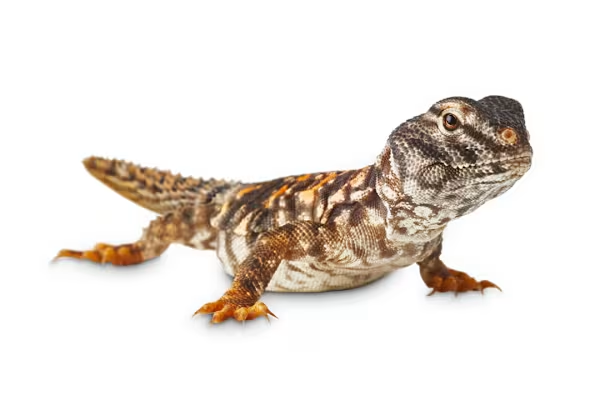
Learn how to take care of Saharan Uromastyx, recommended diet and tank setup. Find the right food, supplies and equipment at your neighborhood Petco.
Updated on April 9th, 2026
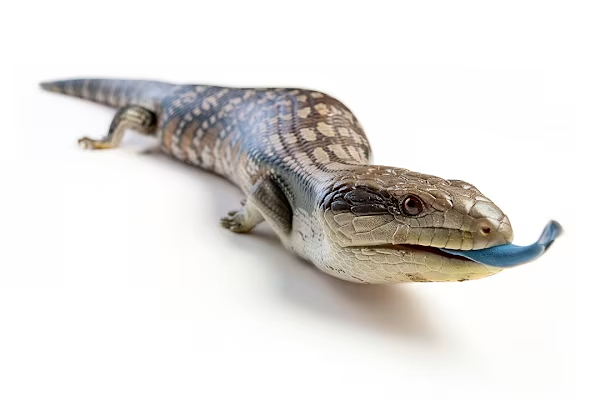
Learn how to care for Blue-Tongued Skink, recommended diet and habitat setup. Find the right food, supplies and equipment at your neighborhood Petco.
Updated on April 9th, 2026
When it comes to reptile habitats, one of the most essential elements to creating a happy home for your pet is including the appropriate type of lighting. Zoo Med helps outline which lights are right for your pet.
Updated on July 17th, 2026
What you have appears to be an aquatic/semi-aquatic species of turtle. Basic requirements include a tank of at least 10 gallons initially, a water heater, a water filter, a basking area out of the water, a heat lamp and a UVB light source.
Updated on September 24th, 2025
A juvenile should be fed daily. An adult (1 yrs old and up) can be fed every other day. Feed an amount of food that would fit inside the head if it were empty. Remove any uneaten food promptly to prevent fouling the water.
Updated on September 24th, 2025
Sideneck turtles are omnivorous. You can offer earthworms, crickets, beef heart, feeder fish, collard greens, spinach, dandelion greens and mixed vegetables. Feed an adult as much as can be eaten in about a minute every other day. Juveniles should be fed more frequently. Decorate with rocks and logs to provide a means of getting into and out of the water for basking purposes. Gravel or sand can be used as substrate. A filter is necessary to maintain water quality. The tank should, ideally, be at least 55 gallons depending on Hanible's size.
Updated on September 24th, 2025
It would appear this turtle, not a tortoise, is suffering nutritional deficiency. Reptiles require UVB lighting, either natural unfiltered sunlight or artificially produced by an appropriate light source, in a addition to an appropriate diet with adequate calcium and vitamin supplementation. All these things will aid in the development and maintenance of a health shell. The deficiency may be reversible, however the shell may be malformed for years to come if it survives. Ideally, this turtle should be examined by a veterinarian. A specialist can be consulted via phone or online to obtain proper treatment information. In general, turtles need clean water, a heat lamp for basking, a UVA/UVB light source and a dry area for basking. Most are omnivores and will eat small prey (feeder fish, worms, crickets), fresh greens and a commercial pelleted diet. As stated above, they also require calcium and vitamin supplementation. You can find general care information here: http://www.austinsturtlepage.com/Care/care.htm
Updated on September 24th, 2025
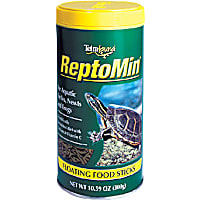
The pellets shown should not be fed to turtles for any length of time. Doing so may lead to nutritional deficiencies. If you feed a pelleted diet, choose one specifically for turtles. You can also offer feeder fish, nightcrawlers and freeze dried prey made for turtles. Turtles are omnivorous, so you should be offering chopped fresh greens and vegetables in addition to animal protein and a pelleted diet.
Updated on September 24th, 2025