Two Easy Ways to Start Earning Rewards!
Become a member today! Members-only pricing and offers, personalized care notifications, Vital Care points back on every purchase and more!
 Become a credit card member today!
Earn 2X Pals Rewards points at Petco
when you use Petco Pay!APPLY NOWLearn More About Petco Pay Benefits
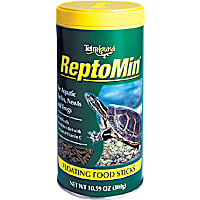
TetraFauna Reptile Food


Related Articles & Questions
- Care Sheets
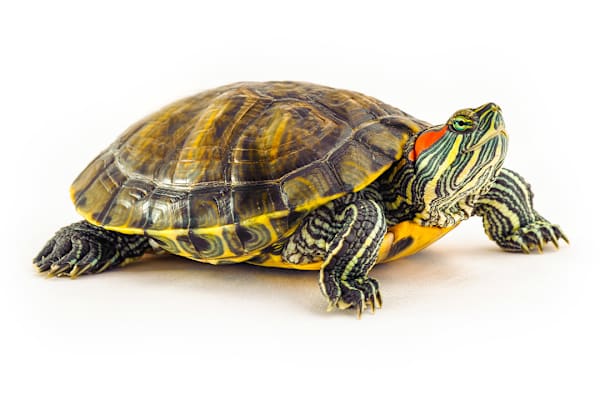
Aquatic Turtle Care: Tank, Food & Health for a Healthy Pet
Learn how to care for aquatic turtles available at Petco. Care Sheets provide you with essential info on how to best take care of these interesting pets.
Updated on July 26th, 2026
- Care Sheets
How to Thaw Frozen Foods for Reptiles or Amphibians
Learn how to thaw frozen mice for feeding time. Find out how to safely prepare and clean up after frozen meals at Petco.
Updated on December 16th, 2025
- Care Sheets
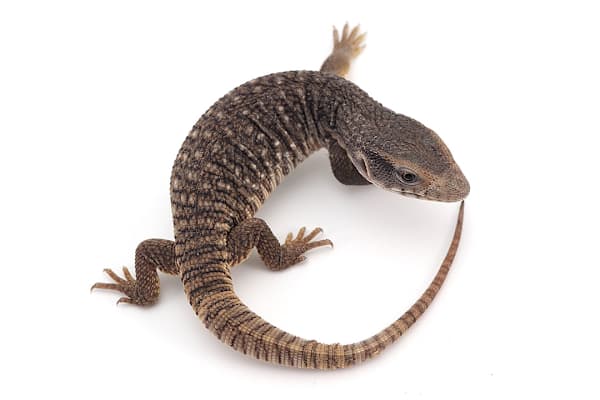
Savannah Monitor & Tegu Care: Setup, Feeding & Health Tips
Learn how to care for a monitor lizard, recommended diet and habitat setup. Find the right food, supplies and equipment at your neighborhood Petco.
Updated on April 9th, 2026
- Care Sheets
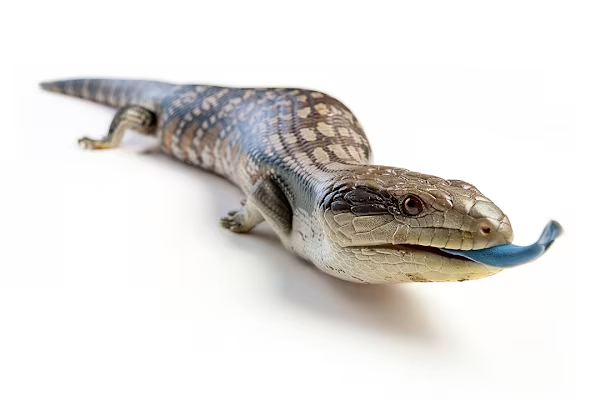
Tropical Skink Care: Habitat, Food, Health & Handling Guide
Learn how to care for Blue-Tongued Skink, recommended diet and habitat setup. Find the right food, supplies and equipment at your neighborhood Petco.
Updated on April 9th, 2026
- Care Sheets
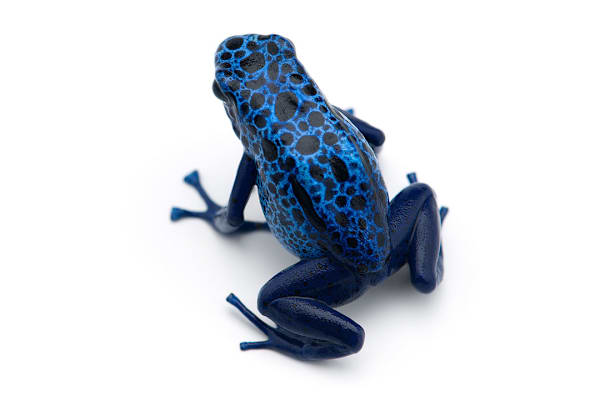
Master Terrestrial Frog Care: Habitat, Diet & Health Secrets
Learn how to care for small Terrestrial Frogs, recommended diet and habitat setup. Find the right food, supplies and equipment at your neighborhood Petco.
Updated on April 9th, 2026
- Vet Q & A
My bearded dragon needs heat & food, no store. What can I use at home?
Hi, For heat you could do a number of things e.g. place any incandenscent bulb above him, place other types of heaters near the tank etc. Please make sure that the temperature is not too high. As for food, this is more of a problem. If he's used to eating crickets it would be difficult to switch him at once to something else. I assume meal worms or otjer insects are also unavailable? You could very temporarily try some soft cat food but it may not work.
Updated on September 24th, 2025
- Food & Nutrition
My reptile won't eat, has nose rub. Is it stress or enclosure issues?
Use a background to block his view. This may prevent glass surfing or nose rubbing as well as provide more privacy/security. Again, check the temps in his enclosure to make sure it is species appropriate. Offer a variety of crickets, mealworms, dubia roaches, silkworms and wax worms. Gut load prey for 24 hours prior to offering. Dust appropriately with vitamins and minerals regularly. He may also benefit from a soak in a warm 50/50 solution of water and unflavored PediaLyte. If his appetite does not return after adjustments to environment and diet, have him examined by your veterinarian or a vet experienced in treating reptiles. Submit a stool sample to diagnose intestinal parasites or bacterial overgrowth.
Updated on September 24th, 2025
- Food & Nutrition
I just got small turtles. What do they need for tank, food, and care?
If you post another question with images of Nala and Simba attached, we can possibly identify the species. This would make it easier for us to provide correct care information. In general, aquatic turtles need: a tank, clean water, a submersible heater, an area out of the water for basking, a heat source, a UVB light source and proper food. Two babies will be fine in a 10 gallon tank for now (20 gallons would be better), but as they grow, so their tank must grow. Ideally, you want to provide 10 gallons of water per inch of turtle as a general guideline. This means you may be looking at a 100 gallon tank or larger when they are full grown.Please don't release them into the wild after reading that! The water level should be no deeper than twice the length of their shells. That will increase as they grow and become adept swimmers. Most species do well in water that is kept about 80 F. A heat lamp can provide an area for basking near 90 F. A UVB light provides beneficial rays to aid in vitamin D synthesis and calcium utilization. Diet depends on the species, but for now, commercial pellets, fresh greens, vegetables will suffice. Let us see what kind of turtles you have and we can provide more detailed information for their care.
Updated on September 24th, 2025
- Food & Nutrition
What should my turtle eat? How to feed a picky turtle and ensure they find food.
You can feed a variety of different veggies and it's best to feed dark leafy greens. Protein sources should be limited. The food can be placed in the enclosure and he will find it himself. If he's not eating, then he may be used to a different diet prior to you having him. In this case it would be best to contact the previous owner and find out what they were feeding him. Below is a link to an article that explains how to properly feed your turtle and has other helpful information for proper care. http://www.anapsid.org/reslider.html I hope that helps and all is well with Puddle.
Updated on September 24th, 2025
- Training & Behavior
New tortoise not eating, sleeping, or drinking? What should I do?
Check the temperature in the enclosure. Low temps can affect activity and appetite in reptiles. You can soak her in a warm 50/50 solution of water and unflavored PediaLyte for 15-20 minutes once orb twice a week. This will provide warmth and hydration. Offer a variety of dark, leafy greens, chopped vegetables and commercial pellets. She will also need UVB lighting, a powdered multivitamin and a powdered calcium supplement. Set up a heat lamp to provide a basking area on one side of the tank. There should be an appropriate temperature gradient across the tank so she can move from warm to cool as she needs. If you can provide the species of tortoise, more specific advice can be provided.
Updated on September 24th, 2025