Two Easy Ways to Start Earning Rewards!
Become a member today! Members-only pricing and offers, personalized care notifications, Vital Care points back on every purchase and more!
 Become a credit card member today!
Earn 2X Pals Rewards points at Petco
when you use Petco Pay!APPLY NOWLearn More About Petco Pay Benefits
TetraFauna Aquatic Turtle Shop


Related Articles & Questions
- Care Sheets
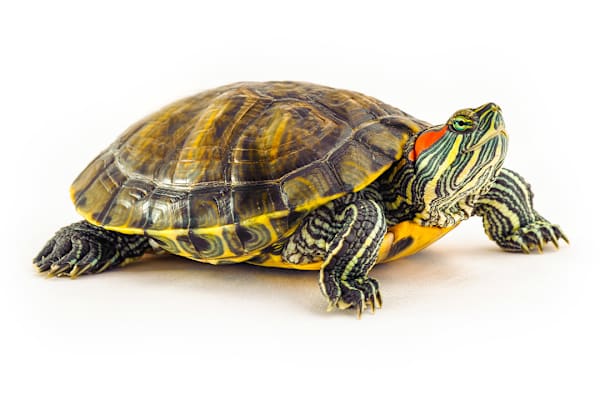
Aquatic Turtle Care: Tank, Food & Health for a Healthy Pet
Learn how to care for aquatic turtles available at Petco. Care Sheets provide you with essential info on how to best take care of these interesting pets.
Updated on July 26th, 2026
- Care Sheets
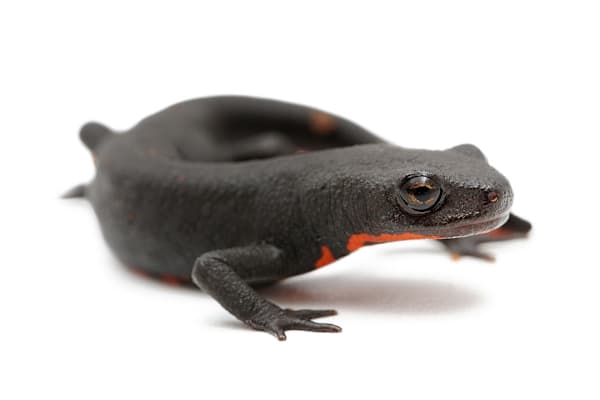
Mastering Pet Salamander & Newt Care: Food, Habitat, Health Guide
Learn How to Care for a Salamander & Newts, recommended diet and habitat setup. Find the right food, supplies and equipment at your neighborhood Petco.
Updated on April 9th, 2026
- Care Sheets
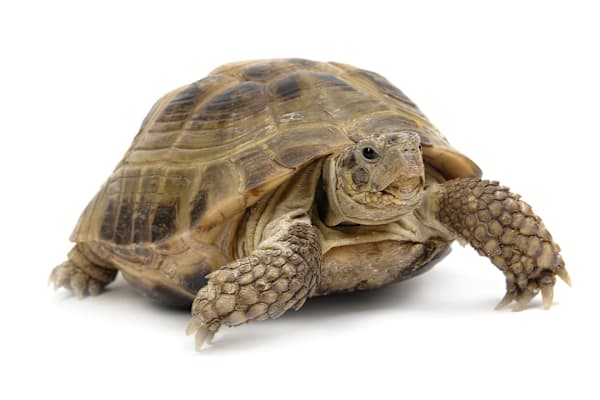
New Owner's Arid Tortoise Care: Habitat, Food, & Health Guide
Learn how to care for a tortoise, recommended diet & habitat setup. Find the right food, supplies & equipment at your neighborhood Petco.
Updated on April 9th, 2026
- New Pet
Safe Reptile Handling: What Every Pet Parent Should Know
Read these guidelines about handling reptiles to provide a safe and fun environment for your pet, friends and family.
Updated on July 17th, 2026
- Care Sheets
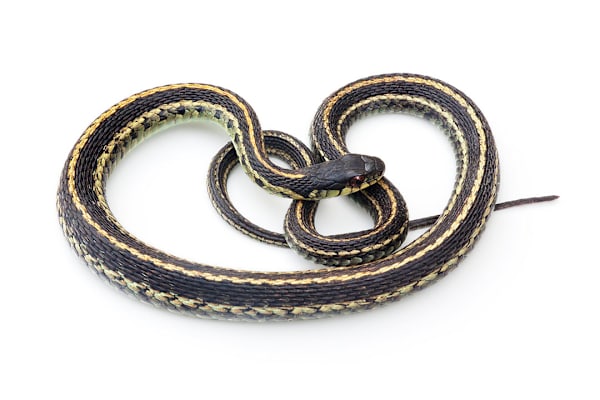
Garter & Water Snake Care: Help Your Pet Thrive! Habitat, Food, Health
Learn how to take care of Garter & Water Snakes, recommended diet and habitat setup. Find the right food, supplies and equipment at your neighborhood Petco.
Updated on April 9th, 2026
- Food & Nutrition
What's the minimum housing setup for a small red-eared slider turtle?
Thanks for reaching out about Shelley. Starting with a good website such as the San Diego Turtle & Tortoise Society (instead of just copying it to here). At the minimum, a 30-40 gallon aquarium. Set up for a haul out area under a basking site. The basking site should reach 90+ degrees and also include ultraviolet B radiation (special bulb). Food can consist of turtle pellets (purchased in small quantities, used in 3 months, with the remainder thrown away). Fresh chopped vegetables can also be offered but it usually takes a while for turtles to accept it as food. Testing water quality and cleaning regularly. Good luck.
Updated on September 24th, 2025
- Food & Nutrition
Why is my turtle's shell weak and wrinkled with skin issues?
It would appear this turtle, not a tortoise, is suffering nutritional deficiency. Reptiles require UVB lighting, either natural unfiltered sunlight or artificially produced by an appropriate light source, in a addition to an appropriate diet with adequate calcium and vitamin supplementation. All these things will aid in the development and maintenance of a health shell. The deficiency may be reversible, however the shell may be malformed for years to come if it survives. Ideally, this turtle should be examined by a veterinarian. A specialist can be consulted via phone or online to obtain proper treatment information. In general, turtles need clean water, a heat lamp for basking, a UVA/UVB light source and a dry area for basking. Most are omnivores and will eat small prey (feeder fish, worms, crickets), fresh greens and a commercial pelleted diet. As stated above, they also require calcium and vitamin supplementation. You can find general care information here: http://www.austinsturtlepage.com/Care/care.htm
Updated on September 24th, 2025
- Vet Q & A
First fish tank: What Tetras and supplies for my 12-inch tank?
Before you buy any fish, you will need to set up the tank. A basic set up includes: a tank, filter, hood/light, heater, gravel and some decor. The tank should run without fish for at least 4 to 6 weeks. This gives it time to cycle. The Nitrogen Cycle is critical to the health of the tank and any fish you will be keeping. During this time, beneficial bacterial will populate the filter and substrate (gravel). These bacteria will be responsible for breaking down fish wastes and other wastes (uneaten food, dead plants, etc.). You will need a home test kit to monitor water chemistry (ammonia, nitrites, nitrates, pH) or you will have to submit water samples for testing. Most pet stores will do this for free or for a small fee. At first, you will see high levels of ammonia and nitrites. Over time, as bacteria grow, these levels will drop. When ammonia and nitrites are at 0 ppm and nitrates are below 20 ppm, you can consider adding fish. Regular (every 1 or 2 weeks) partial water changes as well as filter changes will be needed to maintain stable water chemistry and adequate water quality. The size of your tank will determine what fish and how many you will be able to keep. Most Tetras do best in groups, so a 12 inch tank may not be large enough. There are several article in the Petco Pet Education Center, formerly Petcoach Library that will provide more detailed information. Click on "Educational Center" at the top of the page, then scroll down to "Articles" and click. Use the Search Bar to find articles regarding aquarium set up and fish keeping.
Updated on September 24th, 2025
- Health & Wellness
How do I set up a natural red-eared slider tank based on its habitat?
An adult slider should have at least 10 gallons of water per inch of shell length. Bigger is always better though, so if budget and space allow then try for a 75 or even 90 gallon tank. Provide a UVB light source unblocked by glass, plexiglass or fine mesh. Heat sources (for the water and for basking out of the water) are also necessary. A basking platform out of the water should be provided. Use a filter that is rated for at least twice the volume of any tank you choose. This will help maintain water quality. You can read more about keeping sliders at the links below. http://www.anapsid.org/reslider.html http://www.reptilesmagazine.com/Red-Eared-Slider-Care-Sheet/
Updated on September 24th, 2025
- Food & Nutrition
My small turtle needs vitamins and diet. How do I know its age?
Thanks for reaching out about your turtle. Unfortunately, there aren't great ways to calculate ages in turtles - the reason for this is that their size and physical characteristics can vary depending on their husbandry. For example, too much or too little nutrition can cause a turtle to become too large or remain very small instead of growing at a normal pace. As far as the vitamins and diet - to get advice on this, it would be important to know what species of turtle you have. There are many different species that are commonly kept as pets, and they can require very different things in their diet and environment to help them thrive and live a long and healthy life. You could repost your question with some photos, or what may be better is to have a consultation. As another alternative, you can also take your turtle to a veterinarian who is familiar with turtles, and they can assist you with this as well. I hope that gives you a place to start, and thanks for using Petco Pet Education Center, formerly Petcoach.
Updated on September 24th, 2025