Two Easy Ways to Start Earning Rewards!
Become a member today! Members-only pricing and offers, personalized care notifications, Vital Care points back on every purchase and more!
 Become a credit card member today!
Earn 2X Pals Rewards points at Petco
when you use Petco Pay!APPLY NOWLearn More About Petco Pay Benefits
Natural Bites Aquatic Turtle Shop
Get It Today




Related Articles & Questions
- Home & Habitat
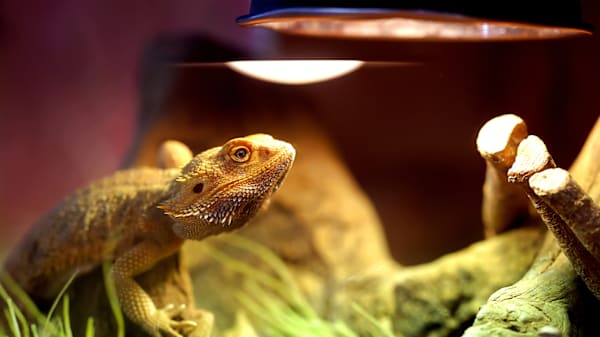
Reptile UVB Light Guide: What Every Pet Parent Needs to Know
Learn the importance of UVB light for your reptiles and the right reptile lights for your pet’s habitat.
Updated on July 17th, 2026
- Care Sheets
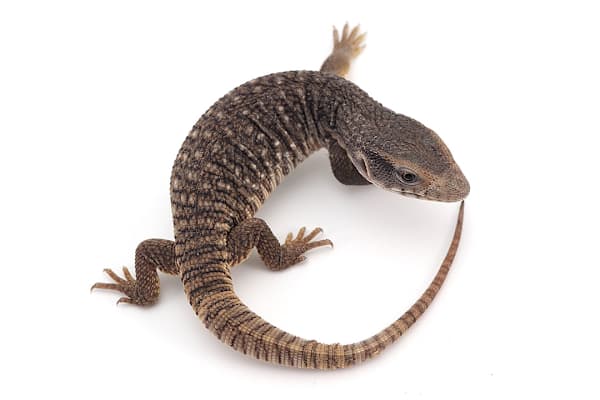
Savannah Monitor & Tegu Care: Setup, Feeding & Health Tips
Learn how to care for a monitor lizard, recommended diet and habitat setup. Find the right food, supplies and equipment at your neighborhood Petco.
Updated on April 9th, 2026
- Care Sheets
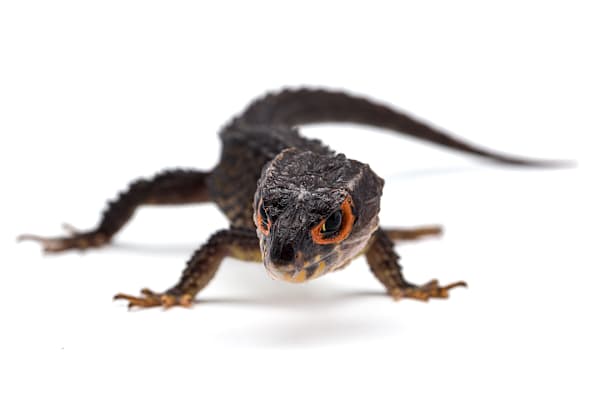
Ultimate Red-Eyed Crocodile Skink Care Guide: Habitat, Food & Health
Learn how to care for Red-Eyed Crocodile Skink, recommended diet & aquarium setup. Find the right food, supplies & equipment at your neighborhood Petco.
Updated on April 9th, 2026
- Health & Wellness
Scale Rot in Reptiles: Causes, Symptoms & Treatment
Search Petco for treatment for scale rot on your reptile. We can help you make sure your pet is always happy and healthy.
Updated on July 17th, 2026
- Care Sheets
Tropical Skink Care: Habitat, Food, Health & Handling Guide
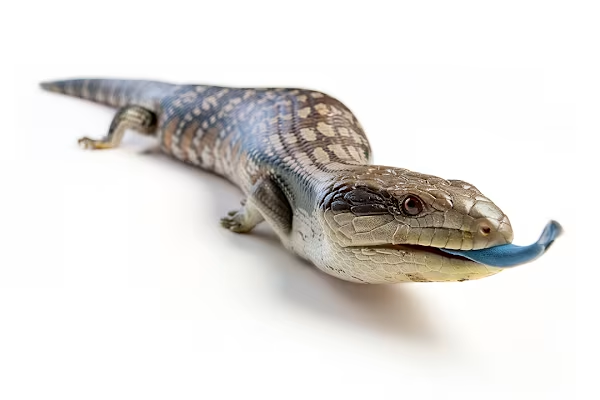
Learn how to care for Blue-Tongued Skink, recommended diet and habitat setup. Find the right food, supplies and equipment at your neighborhood Petco.
Updated on April 9th, 2026
- Training & Behavior
Why is my baby aquatic turtle biting others? How can I stop it?
Separate out the aggressive one. It could be nipping due to hunger, stress or aggression. Consider hand feeding to avoid accidental bites as well as dividing them into two tanks to provide more space. As they mature, they will require a significantly larger space. This number of turtles ideally will need a tank in the hundreds of gallons range or a small pond. A general guideline is 10 gallons per inch of turtle. Sexing turtles is easier when they are mature. Without knowing the species, it can be difficult, but in general, females are larger than males. Males have a shorter, thicker tail in comparison and usually have longer front claws. A female will have a flat plastron whereas the male will have a slight concavity. Males have a v-notch at the rear of the carapace to accommodate the tail when mating. Lastly, you can check the cloaca, or vent. Females will have a rounder vent closer to the body whilst males will have more of a slit farther down under the tail. All these differences are best seen when comparing two turtles or a proven pair.
Updated on September 24th, 2025
- Health & Wellness
How do I set up a natural red-eared slider tank based on its habitat?
An adult slider should have at least 10 gallons of water per inch of shell length. Bigger is always better though, so if budget and space allow then try for a 75 or even 90 gallon tank. Provide a UVB light source unblocked by glass, plexiglass or fine mesh. Heat sources (for the water and for basking out of the water) are also necessary. A basking platform out of the water should be provided. Use a filter that is rated for at least twice the volume of any tank you choose. This will help maintain water quality. You can read more about keeping sliders at the links below. http://www.anapsid.org/reslider.html http://www.reptilesmagazine.com/Red-Eared-Slider-Care-Sheet/
Updated on September 24th, 2025
- Health & Wellness
My small turtle's shell is soft and bleeding. What should I do?
It is not uncommon for a turtle this small to have a somewhat soft shell. Continue to monitor for bleeding, pitting or lethargy. maintain pristine water quality. At this size, water depth should be no deeper than twice the shell length.provide a water heater, water filter, basking area out of the water, a heat lamp for basking and a UVB light source. Offer a balanced diet including prey (feeder fish, nightcrawlers, etc), fresh diced greens and vegetables and commercial pellets. A multivitamin and a calcium supplement should be dusted onto foods regularly. You can review slider care at the link below. http://www.anapsid.org/reslider.html
Updated on September 24th, 2025
- Training & Behavior
Why isn't my new wood turtle eating or pooping after a week?
One of the most common reasons for a reptile to have a decreased or absent appetite is because of husbandry. I would recommend starting there, and ensuring that the husbandry is as perfect as possible. Often times, even seemingly minor things can make a big difference for a reptile. For example, it looks like your turtle has a glass enclosure from the picture (I apologize if this is not the case), and often this can be stressful for them as they don't understand the concept of glass. It is recommended to keep them in opaque/non-see-through containers, such as turtle tables or large Rubbermaid containers for example. Alternatively, this may also be a problem that started before you acquired Hades. Reptiles can take a long time to get sick, and then when they show their signs of illness, it can seem to come on suddenly. Due to this, I would recommend taking Hades in for an examination with a veterinarian, as this is a good idea for any new pet, including turtles! At the visit, your veterinarian will go over the husbandry for Hades, and can make recommendations. Additionally, they may recommend radiographs (x-rays) to look at bone quality, as metabolic bone disease is very common in reptiles. They may also recommend blood work and/or a fecal sample as part of a wellness exam to look for any signs of infection, anemia (low red blood cells), to look at organ function, and to evaluate the feces for parasites. If you would like to try husbandry changes first, and want to talk about Hades further prior to your veterinary visit, I would be happy to do a consult with you. I hope this gives you a place to start!
Updated on September 24th, 2025
- Health & Wellness
How to care for a Chinese golden thread turtle that won't bask?
Hi there! Let me see if I can help you with Michelangelo. I read through this article from Reptile Magazine, and it seems to have some good advice on husbandry and diet of the species: http://www.reptilesmagazine.com/Turtles-Tortoises/Turtle-Care/Golden-Thread-Turtle-Care-Tips/ I also really like Austin's Turlte Page for information about turtle husbandry: http://www.austinsturtlepage.com/Care/cs-chinesegoldenthread.htm In addition, I would recommend you do try to encourage Michelangelo to bask, whether it be outside in the sun, or under a UVB bulb lamp (monitored of course). It is important for his metabolism to have the UVB lighting. I hope you find this answer helpful. Best of luck!
Updated on September 24th, 2025