Two Easy Ways to Start Earning Rewards!
Become a member today! Members-only pricing and offers, personalized care notifications, Vital Care points back on every purchase and more!
 Become a credit card member today!
Earn 2X Pals Rewards points at Petco
when you use Petco Pay!APPLY NOWLearn More About Petco Pay Benefits
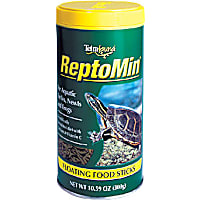
TetraFauna Dry Reptile Food


Related Articles & Questions
- Care Sheets
How to Thaw Frozen Foods for Reptiles or Amphibians
Learn how to thaw frozen mice for feeding time. Find out how to safely prepare and clean up after frozen meals at Petco.
Updated on December 16th, 2025
- Care Sheets
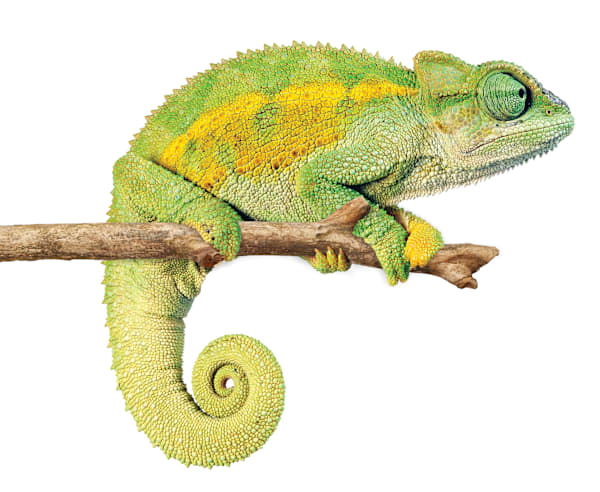
Cool Climate Chameleon Care: Habitat, Food, Health & Setup Secrets
Learn how to care for cool climate Chameleons, recommended diet & habitat setup. Find the right food, supplies & equipment at your neighborhood Petco.
Updated on April 9th, 2026
- Care Sheets
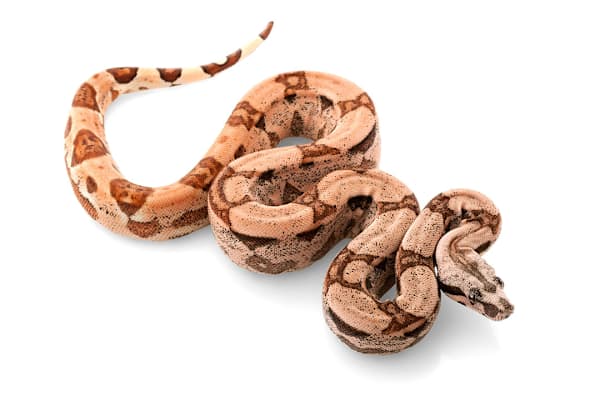
Boa Constrictor Care: The Ultimate Food, Habitat & Health Guide
Learn how to care for Boas, recommended diet & habitat setup. Find the right food, supplies & equipment at your neighborhood Petco.
Updated on April 9th, 2026
- Care Sheets
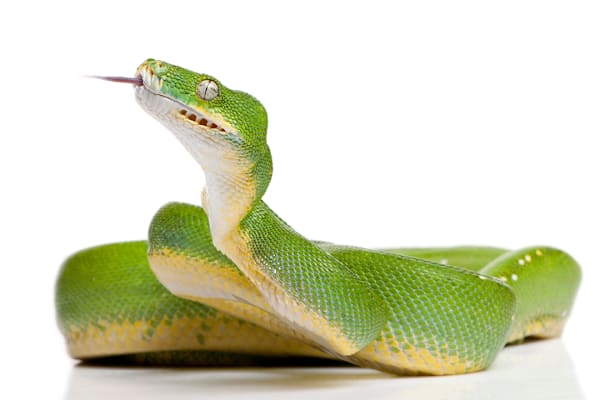
How to Care for Your Green Tree Python: Food, Habitat & Health
Learn how to take care of your Green Tree Python, tank size, diet & habitat setup. Find the right food, supplies and equipment at your neighborhood Petco.
Updated on April 9th, 2026
- Care Sheets
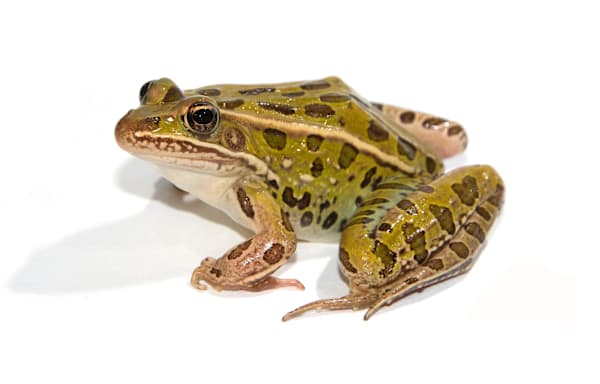
Terrestrial Frog Care: Habitat, Food & Health for a Thriving Pet
Learn how to care for large terrestrial frogs, recommended diet & habitat setup. Find the right food, supplies & equipment at your neighborhood Petco.
Updated on April 9th, 2026
- Food & Nutrition
My turtle's diet is dried shrimp. What should I feed for health?
Hello, & thank you for using Petco Pet Education Center, formerly Petcoach. Juvenile RES should receive commercial aquatic turtle pellets, supplemented occasionally with live fish (guppies, goldfish), & earthworms. Make sure she gets at least 15 minutes of natural sunlight weekly. Adults need 30% of diet to be the pellets & some protein like mentioned above. The krill can be offered on occasion. 70% of the diet needs to be plants in the form of chopped leafy greens, kale, romaine, mustard greens, dandelion greens, watercress, parsley, shredded carrot, frozen (thawed) mixed veggies & squash, & occasional fruit. Take care.
Updated on September 24th, 2025
- Health & Wellness
My reptile isn't eating much after shedding. What should I do?
Often when a reptile doesn’t want to eat, it is a sign that they don’t feel well. The most common reason behind them not feeling well is imperfections in their husbandry and diet. I would recommend consulting an online care sheet to ensure that your husbandry is as perfect as possible. Common areas of imperfection include temperature, lighting, and humidity. I would also recommend having Ash seen by a veterinarian, as they can help to counsel you about Ash’s husbandry as well. In addition to a thorough physical examination, they may recommend diagnostic testing including radiographs (x-rays) and blood work to evaluate systemic health. I hope that gives you a place to start, and thanks for using Petco Pet Education Center, formerly Petcoach!
Updated on September 24th, 2025
- Home & Habitat
How can I improve my reptile's tank setup for safety and comfort?
Ideally, the UVB light source should run the entire length of the tank. A thermometer/hygrometer should be on each end of the tank to confirm cool and warm sides. Use a digital thermometer to verify temps. Those little ones you have can be inaccurate. Provide a hide on both sides as well. Personally, I would remove the fake grass as it has the potential to cause eye injuries. Your tank looks good otherwise.
Updated on September 24th, 2025
- Vet Q & A
Can a 7.5x12 inch faunarium house any reptile or insect long-term?
It is too small to be used for much beyond transport, quarantine or temporary housing (i.e. during cleaning of main enclosure). The plastic construction does not allow for light or heat sources which most reptiles or exotic pets require.
Updated on September 24th, 2025
- Vet Q & A
My new bearded dragon won't eat after adoption, what's wrong?
I commend you on adopting such a wonderful creature! She may need time to adjust to her new home and enclosure. Make sure it is large enough for her and located away from loud noises, vibrations, direct sunlight or high traffic areas. The commercial pellets are an excellent diet. You should also offer dark, leafy greens, diced vegetables and prey such as crickets or dubia roaches. These can be purchased from your local pet store. Gut load prey for 24 hours prior to offering to maximize nutritional value. Dust with a calcium supplement 3-5 times per week. Use a multivitamin 2-3 times per week. Make sure the temperature in her enclosure is appropriate. Low temps can affect appetite and activity in reptiles. The cage should be in the mid 70s F on the cool side and mid to high 80s F on the warm side. A basking spot of 90-100 F is recommended. She will also need a UVB light source running the length of her cage and about 12-14 inches away. This is vital for calcium, metabolism. You can soak her in a warm 50/50 solution of water and unflavored PediaLyte for 20-30 minutes to warm her up and to rehydrate her. If her appetite does not return, have her rechecked by your veterinarian or a vet experienced in treating reptiles to diagnose illness or injury. Submit a stool sample to diagnose intestinal parasites.
Updated on September 24th, 2025