Two Easy Ways to Start Earning Rewards!
Become a member today! Members-only pricing and offers, personalized care notifications, Vital Care points back on every purchase and more!
 Become a credit card member today!
Earn 2X Pals Rewards points at Petco
when you use Petco Pay!APPLY NOWLearn More About Petco Pay Benefits
Nature Zone Aquatic Turtle Shop
Get It Today


Related Articles & Questions
- Care Sheets
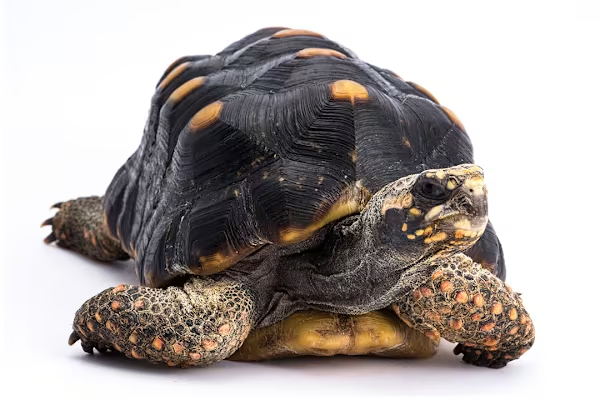
Pet Tortoise Care: Essential Guide to Food, Habitat & Health
Learn how to care for tropical tortoise, recommended diet & habitat setup. Find the right food, supplies & equipment at your neighborhood Petco.
Updated on April 9th, 2026
- Home & Habitat
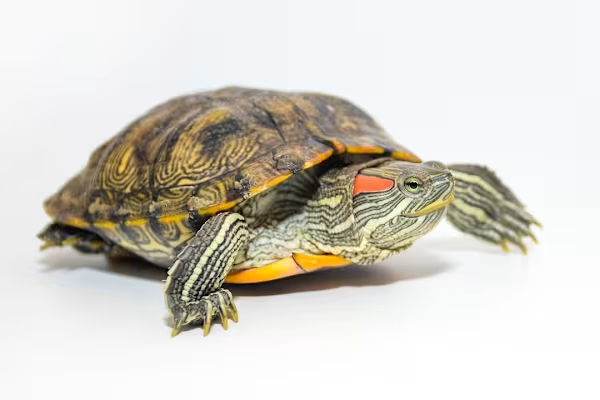
Red-Eared Slider Turtle Habitat Setup Guide
Red-eared sliders are primarily aquatic but will fully emerge from the water. Setting up a habitat that mimics their natural environment will help ensure your turtle is set up for a happy, healthy life!
Updated on June 19th, 2026
- Care Sheets
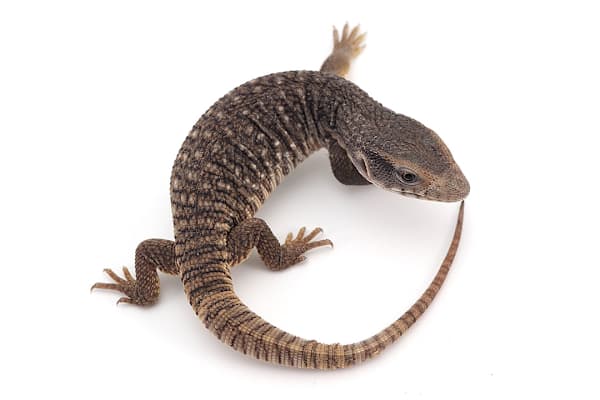
Savannah Monitor & Tegu Care: Setup, Feeding & Health Tips
Learn how to care for a monitor lizard, recommended diet and habitat setup. Find the right food, supplies and equipment at your neighborhood Petco.
Updated on April 9th, 2026
- Care Sheets
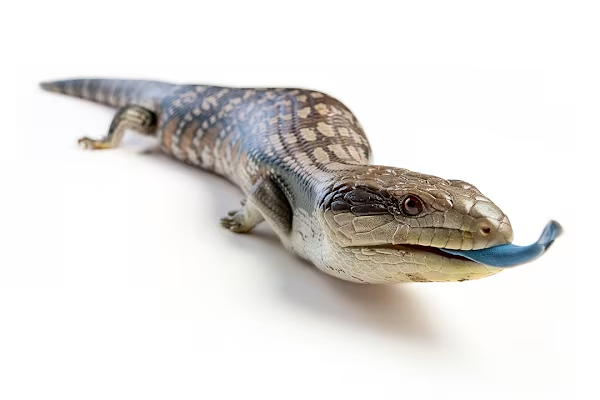
Tropical Skink Care: Habitat, Food, Health & Handling Guide
Learn how to care for Blue-Tongued Skink, recommended diet and habitat setup. Find the right food, supplies and equipment at your neighborhood Petco.
Updated on April 9th, 2026
- Care Sheets
Aquatic Pet Safety: Keep Your Home Aquarium Pets Healthy & Safe
Learn how to safely handle your aquatic life to avoid toxin & bacterial exposure. Find aquatic life care supplies at your neighborhood Petco pet care center.
Updated on October 23rd, 2025
- Home & Habitat
Is my pet a turtle or tortoise? Where should it live: land or water?
What you have appears to be an aquatic/semi-aquatic species of turtle. Basic requirements include a tank of at least 10 gallons initially, a water heater, a water filter, a basking area out of the water, a heat lamp and a UVB light source.
Updated on September 24th, 2025
- Food & Nutrition
Why is my turtle's shell peeling and has white spots? Is she healthy?
Turtles need more than a heat lamp for good health. Basic requirements include: clean water, a water heater, UVB light, basking platform, balanced diet and vitamins and minerals. Sunlight is good, however window panes and tank glass block most of the beneficial UVA/UVB rays that turtles need to synthesize Vitamin D3 and to properly utilize calcium. A good UVB bulb should be placed above the tank no more than 12-14 inches away from the basking area. It should not be blocked by glass, Plexiglass or fine mesh. The peeling and white spots may be due to poor water quality, poor diet, lack of UVB lighting or a combination of the three. Keep water clean via filtration and weekly partial water changes. Scoop out uneaten food daily. The filter should be rated for at least twice the volume of the tank since turtles can be very messy. You may be able to get Shelby to eat greens if you offer them about an hour or two after the heat lamp comes on in the morning. This will give her time to warm up. A cold reptile will not eat. Dice the greens and vegetables into manageable pieces. they should be dusted several times weekly with a calcium supplement and a multivitamin. Once she eats the greens, you can offer pellets and protein (feeder fish, nightcrawlers, crickets, raw beef heart, etc.). The spots can be gently scrubbed daily using a soft bristled brush and diluted Betadine or chlorhexidine (Hibiclens). Allow for a 1-2 hour dry dock (out of the water) after each cleaning.If it doesn't improve or if Shelby becomes lethargic or stops eating, then have her examined by a your veterinarian or a vet experienced in treating reptiles. Since most aquatic turtles are red eared sliders or yellow bellied sliders, I have included a link regarding care and keeping below. If you have a different species, post a new question with the species or request a consultation and we can discuss the case in greater detail. http://www.anapsid.org/reslider.html
Updated on September 24th, 2025
- Food & Nutrition
What kind of food and brand is best for my red eared slider?
Fluker's or Maxuri pellets/sticks are quality diets. The diet should be varied to maximize nutrition. Offer leafy greens, crickets, small feeder fish, krill/shrimp (either can be freeze dried) or superworms in addition to a commercial pelleted diet.
Updated on September 24th, 2025
- Food & Nutrition
How much and how often should I feed my baby red eared slider turtle?
Hi. I'm glad you checked. Red rated sliders can be fun pets but they also require specialized environment and care. She should eat some live feeder fish, some plant matter and only about 25% of her diet should be commercial pellets. Be sure she has an area to get out of the water in her tank, she needs a basking light for warmth and full spectrum UV lighting. Housing is the number one reason that sliders get sick or die in captivity so please take the time to get her set up correctly. Here is a great beginner article for RES care. http://www.anapsid.org/reslider.html
Updated on September 24th, 2025
- Home & Habitat
What to do if I find a baby turtle? Can I keep it? What do they eat?
It looks like a juvenile slider. Ideally, a wild turtle should be returned to the area where found. They don't transition well to captivity Since it is a juvenile , you may have a better chance though. You can read about slider care here: http://www.anapsid.org/reslider.html You can feed a commercial pellet or stick diet supplemented with fresh greens and some protein in the form of crickets, feeder fish or nightcrawlers. The water should be no deeper than twice the length of the shell and should be heated and filtered. Provide a heat lamp and UVB lighting.
Updated on September 24th, 2025