Two Easy Ways to Start Earning Rewards!
Become a member today! Members-only pricing and offers, personalized care notifications, Vital Care points back on every purchase and more!
 Become a credit card member today!
Earn 2X Pals Rewards points at Petco
when you use Petco Pay!APPLY NOWLearn More About Petco Pay Benefits
Nature Zone Turtle Food
Get It Today


Related Articles & Questions
- Care Sheets
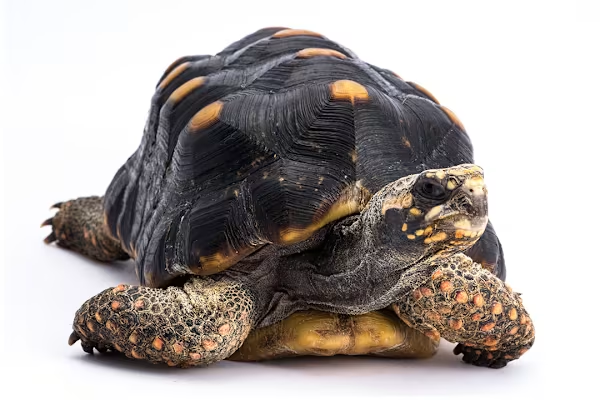
Pet Tortoise Care: Essential Guide to Food, Habitat & Health
Learn how to care for tropical tortoise, recommended diet & habitat setup. Find the right food, supplies & equipment at your neighborhood Petco.
Updated on April 9th, 2026
- New Pet
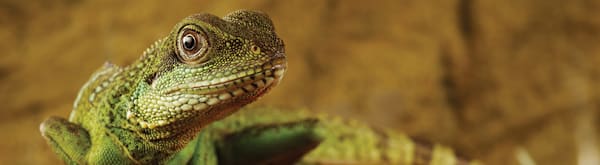
Reptile Habitat Setup Guide | Petco
Learn how to setup your reptiles terrarium to ensure your reptile lives a wholesome & happy life. Shop at your local Petco for all reptile terrarium needs.
Updated on July 17th, 2026
- Care Sheets
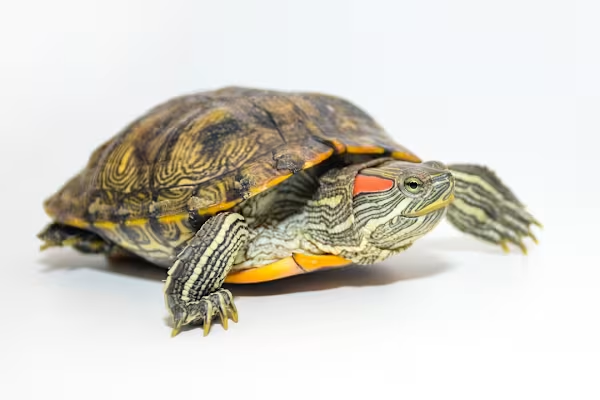
Red-Eared Slider Care: Essential Guide for a Healthy Pet Turtle
The Red-eared slider is named for the distinctive red streak on each side of its face. Learn how to care for red eared slider turtles available at Petco.
Updated on December 22nd, 2025
- Care Sheets
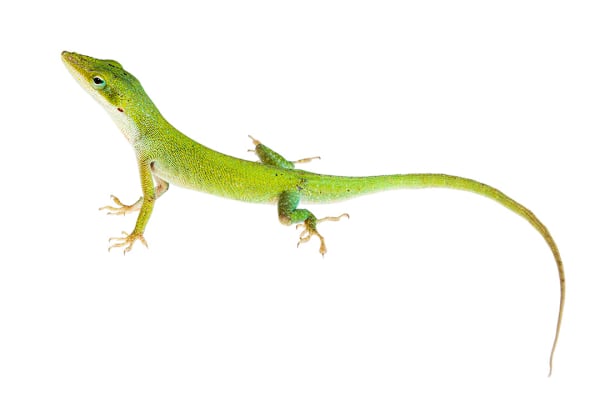
Green & Bahama Anole Care: Your Guide to Habitat, Food & Health
Learn how to take care of Green & Bahama Anoles, recommended diet and tank size. Find the right food, supplies and equipment at your neighborhood Petco.
Updated on April 9th, 2026
- Care Sheets
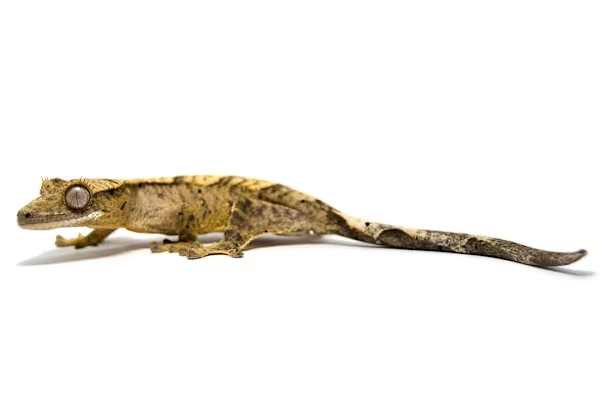
Crested Gecko Care: Habitat, Diet, Health, Supplies - Ultimate Guide
Learn how to take care of your Crested Gecko, tank size, diet & habitat setup. Find the right food, supplies and equipment at your neighborhood Petco.
Updated on December 22nd, 2025
- Food & Nutrition
I just got small turtles. What do they need for tank, food, and care?
If you post another question with images of Nala and Simba attached, we can possibly identify the species. This would make it easier for us to provide correct care information. In general, aquatic turtles need: a tank, clean water, a submersible heater, an area out of the water for basking, a heat source, a UVB light source and proper food. Two babies will be fine in a 10 gallon tank for now (20 gallons would be better), but as they grow, so their tank must grow. Ideally, you want to provide 10 gallons of water per inch of turtle as a general guideline. This means you may be looking at a 100 gallon tank or larger when they are full grown.Please don't release them into the wild after reading that! The water level should be no deeper than twice the length of their shells. That will increase as they grow and become adept swimmers. Most species do well in water that is kept about 80 F. A heat lamp can provide an area for basking near 90 F. A UVB light provides beneficial rays to aid in vitamin D synthesis and calcium utilization. Diet depends on the species, but for now, commercial pellets, fresh greens, vegetables will suffice. Let us see what kind of turtles you have and we can provide more detailed information for their care.
Updated on September 24th, 2025
- Food & Nutrition
Why is my red-eared slider turtle hiding and not growing or eating?
Thanks for reaching out about Sebastian and including pictures. Points of interest to investigate would be: (1) heat support in the water, (2) nutrition, and (3) water quality. If the water temperature gets too low, turtles will slow and stop eating (acting as if hibernating). The water quality needs to be kept clean to decrease bacterial and algal overgrowth. Regarding nutrition, the package of pellets needs to be changed every 3-4 months as vitamins degrade quickly. Offering diced vegetables and whole fish (goldfish, tetras) can provide exercise and nutrition. If Sebastian remains quiet and lethargic, a visit to a reptilian veterinarian is recommended. Good luck.
Updated on September 24th, 2025
- Food & Nutrition
What should I feed my red-eared slider? So much conflicting info!
Thanks for reaching out about Ruby. Meat such as chicken, is a poor food since it is low in calcium and high in phosphorus. My usually recommendation is 1/3-1/3-1/3, meaning parts vegetables (green, red, yellow, orange), pellets and live fish (goldfish, tetras). The benefit of whole live fish is environmental enrichment (hunting, foraging) and has a skeleton with calcium, muscle and organs rich in other nutrients. Vegetables provide a wide variety of vegetables and the pellets a fairly balanced diet. Water temperature, a basking site with UVB and heat and water quality are also important. Good luck.
Updated on September 24th, 2025
- Food & Nutrition
Why is my turtle's shell peeling and has white spots? Is she healthy?
Turtles need more than a heat lamp for good health. Basic requirements include: clean water, a water heater, UVB light, basking platform, balanced diet and vitamins and minerals. Sunlight is good, however window panes and tank glass block most of the beneficial UVA/UVB rays that turtles need to synthesize Vitamin D3 and to properly utilize calcium. A good UVB bulb should be placed above the tank no more than 12-14 inches away from the basking area. It should not be blocked by glass, Plexiglass or fine mesh. The peeling and white spots may be due to poor water quality, poor diet, lack of UVB lighting or a combination of the three. Keep water clean via filtration and weekly partial water changes. Scoop out uneaten food daily. The filter should be rated for at least twice the volume of the tank since turtles can be very messy. You may be able to get Shelby to eat greens if you offer them about an hour or two after the heat lamp comes on in the morning. This will give her time to warm up. A cold reptile will not eat. Dice the greens and vegetables into manageable pieces. they should be dusted several times weekly with a calcium supplement and a multivitamin. Once she eats the greens, you can offer pellets and protein (feeder fish, nightcrawlers, crickets, raw beef heart, etc.). The spots can be gently scrubbed daily using a soft bristled brush and diluted Betadine or chlorhexidine (Hibiclens). Allow for a 1-2 hour dry dock (out of the water) after each cleaning.If it doesn't improve or if Shelby becomes lethargic or stops eating, then have her examined by a your veterinarian or a vet experienced in treating reptiles. Since most aquatic turtles are red eared sliders or yellow bellied sliders, I have included a link regarding care and keeping below. If you have a different species, post a new question with the species or request a consultation and we can discuss the case in greater detail. http://www.anapsid.org/reslider.html
Updated on September 24th, 2025
- Training & Behavior
Why isn't my new wood turtle eating or pooping after a week?
One of the most common reasons for a reptile to have a decreased or absent appetite is because of husbandry. I would recommend starting there, and ensuring that the husbandry is as perfect as possible. Often times, even seemingly minor things can make a big difference for a reptile. For example, it looks like your turtle has a glass enclosure from the picture (I apologize if this is not the case), and often this can be stressful for them as they don't understand the concept of glass. It is recommended to keep them in opaque/non-see-through containers, such as turtle tables or large Rubbermaid containers for example. Alternatively, this may also be a problem that started before you acquired Hades. Reptiles can take a long time to get sick, and then when they show their signs of illness, it can seem to come on suddenly. Due to this, I would recommend taking Hades in for an examination with a veterinarian, as this is a good idea for any new pet, including turtles! At the visit, your veterinarian will go over the husbandry for Hades, and can make recommendations. Additionally, they may recommend radiographs (x-rays) to look at bone quality, as metabolic bone disease is very common in reptiles. They may also recommend blood work and/or a fecal sample as part of a wellness exam to look for any signs of infection, anemia (low red blood cells), to look at organ function, and to evaluate the feces for parasites. If you would like to try husbandry changes first, and want to talk about Hades further prior to your veterinary visit, I would be happy to do a consult with you. I hope this gives you a place to start!
Updated on September 24th, 2025