Two Easy Ways to Start Earning Rewards!
Earn 2X Pals Rewards points at Petco
when you use Petco Pay!
Get It Today
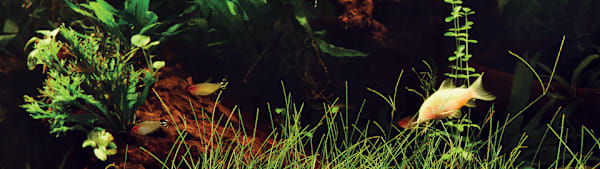
Learn how to pick the right aquarium plants, substrate, lighting, and fertilizers to ensure that your aquarium plants thrive and stay healthy.
Updated on July 17th, 2026
Discover the fish tank filter system that’s right for your aquarium. Learn about mechanical, chemical, and biological filtration at Petco.
Updated on June 19th, 2026
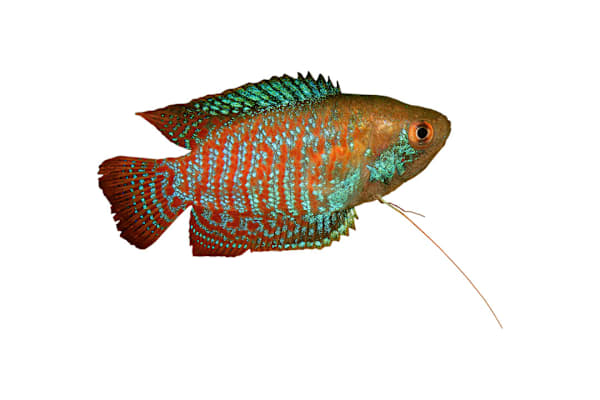
Learn how to care for Gourami, recommended diet and aquarium setup. Find the right food, supplies and equipment at your neighborhood Petco.
Updated on April 9th, 2026
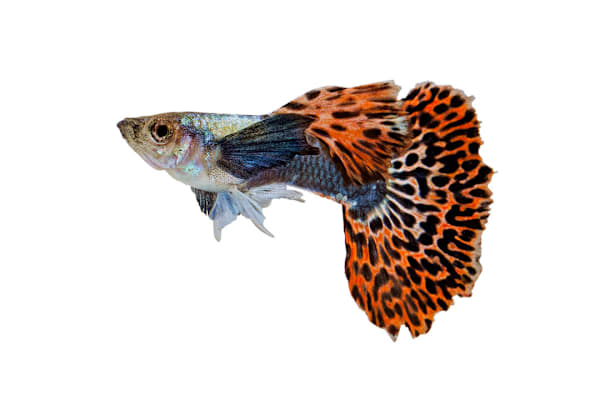
Learn how to care for freshwater livebearers, recommended diet & aquarium setup. Find the right food, supplies & equipment at your neighborhood Petco.
Updated on April 9th, 2026
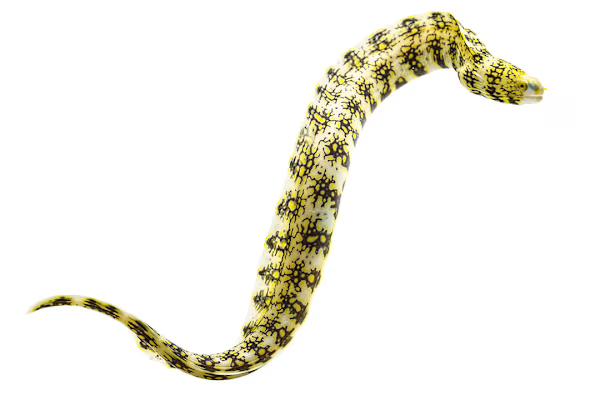
Learn how to care for a Marine eel, recommended diet & aquarium setup. Find the right food, supplies & equipment at your neighborhood Petco.
Updated on April 9th, 2026
It is possible the tank has not cycled properly which results in high ammonia and nitrite levels which can kill fish. Allow the tank to run, without fish, for at least 4-6 weeks. During this time, use a home test kit or submit a water sample for testing every few days. The local Petco may do this for free or for a small fee. What you are looking for is to have ammonia and nitrites at 0 ppm and nitrates at 20ppm or less. pH can hover around 7 for most community fish. Avoid large, rapid swings in pH though. What is happening in the tank during this time is that beneficial bacteria are populating the gravel/substrate and the filter. These bacterial populations are responsible for the Nitrogen Cycle. This cycle breaks down wastes from fish, uneaten food and plant matter into by-products that are filtered out or dissipate. You can "cycle" a tank with fish, however this increases the risk of loss. Once your tank has cycled, you can add fish. You will still need to monitor water chemistry and perform partial water changes regularly. Use only conditioned water that is temperature matched to prevent stress or shock. You will also need to vacuum the gravel regularly and rinse the filter media. Never use tap water to rinse. Use a bit of tank water to protect bacterial populations in the sponge.
Updated on September 24th, 2025
It looks like a species of gourami. Most can be kept in a community tank with other fish. The black may be caused by high ammonia levels. Submit a water sample for testing or use a liquid home test kit to check chemistry. Ammonia can kill fish if levels are high enough. Partial water changes can be done daily to stabilize chemistry and maintain water quality. Use only aged or conditioned water that is temperature matched to prevent further stress or shock. My preferences for water conditioners include AmQuel Plus, NovAqua and StressCoat.
Updated on September 24th, 2025
Here is a helpful link: https://www.aqueon.com/information/care-sheets/goldfish Your local aquarium store will likely carry a powdered product to add to the water to increase the pH. The package will have dosing instructions. I hope this helps and please feel free to post any additional questions.
Updated on September 24th, 2025
Hi, You will need to test for ammonia, nitrite and nitrates now that there are fish in the new tank. If the biofilter is not well established in the new tank, then the abrupt presence of fish will cause an ammonia spike. You should do a partial water change, ensure proper aeration of the water. There are products you can get to boost the biofilter if this is in fact the issue. You should also consider the number of fish for the just meet of gallons in the tank as overcrowding may be a contributing factor. If you need further guidance, please don’t hesitate to request a consult. Good luck!
Updated on September 24th, 2025
Thanks for reaching out about Nemo and including photos. There is no evidence of Ich in the photos. Have you tested water quality for pH, ammonia, nitrites and nitrates? Correct problems. If having difficulty breathing (slow gill rate) add an air stone. A veterinary visit is recommended to assess and provide a diagnostic/treatment plan. Good luck.
Updated on September 24th, 2025