Two Easy Ways to Start Earning Rewards!
Earn 2X Pals Rewards points at Petco
when you use Petco Pay!
Get It Today
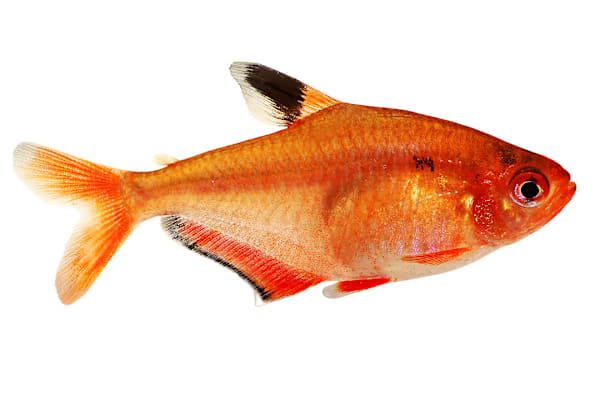
Learn how to care for freshwater community fish, recommended diet & aquarium setup. Find the right food, supplies & equipment at your neighborhood Petco.
Updated on April 9th, 2026

Tanks with live plants can be excellent additions to your home, bringing a touch of nature indoors. Learn how to take care of aquatic plants.
Updated on November 6th, 2025
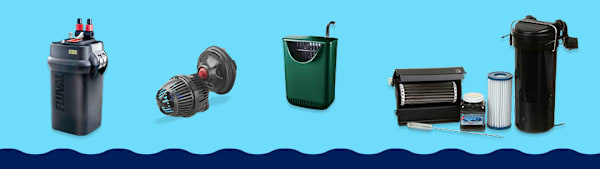
Discover the fish tank filter system that’s right for your aquarium. Learn about mechanical, chemical, and biological filtration at Petco.
Updated on June 19th, 2026
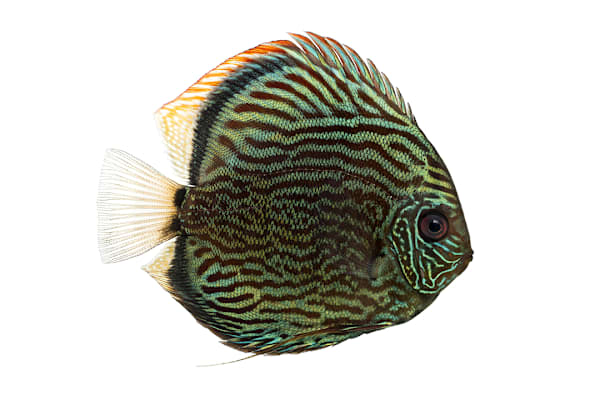
Learn how to care for a Discus, recommended diet and aquarium setup. Find Discus for sale, supplies and equipment at your neighborhood Petco.
Updated on April 9th, 2026
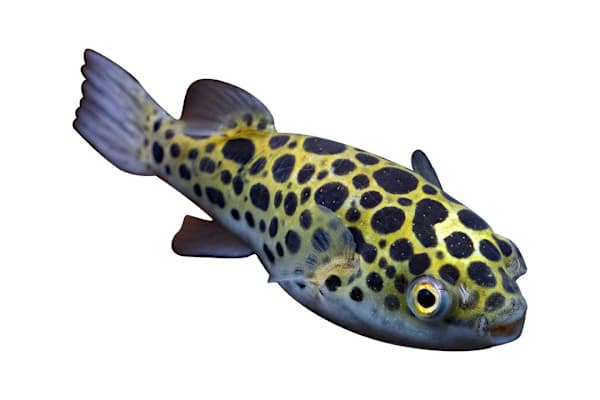
Learn how to care for brackish water fish, recommended diet & aquarium setup. Find the right food, supplies & equipment at your neighborhood Petco.
Updated on April 9th, 2026
Thanks for reaching out about you fish. It is believed to be a Comet goldfish. Water quality and nutrition is the key to success. Testing water parameter for pH, ammonia, nitrite and nitrate will give you guidance for a healthy environment. Purchased food should be rotated out every 3 months as vitamin C and other nutrients degrade over time. Trying to maintain water temperature can be challenging with out a heater, but most fresh water fish tolerate some changes. Good luck.
Updated on September 24th, 2025
It is possible the tank has not cycled properly which results in high ammonia and nitrite levels which can kill fish. Allow the tank to run, without fish, for at least 4-6 weeks. During this time, use a home test kit or submit a water sample for testing every few days. The local Petco may do this for free or for a small fee. What you are looking for is to have ammonia and nitrites at 0 ppm and nitrates at 20ppm or less. pH can hover around 7 for most community fish. Avoid large, rapid swings in pH though. What is happening in the tank during this time is that beneficial bacteria are populating the gravel/substrate and the filter. These bacterial populations are responsible for the Nitrogen Cycle. This cycle breaks down wastes from fish, uneaten food and plant matter into by-products that are filtered out or dissipate. You can "cycle" a tank with fish, however this increases the risk of loss. Once your tank has cycled, you can add fish. You will still need to monitor water chemistry and perform partial water changes regularly. Use only conditioned water that is temperature matched to prevent stress or shock. You will also need to vacuum the gravel regularly and rinse the filter media. Never use tap water to rinse. Use a bit of tank water to protect bacterial populations in the sponge.
Updated on September 24th, 2025
Thank you for using Petco Pet Education Center, formerly Petcoach! It looks like the tank provides enough room for Speedy and Explorer to swim comfortably. Keep an eye on them, and move them into a larger tank if they get significantly larger or you notice signs of fighting or increasing ammonia levels in the tank.
Updated on September 24th, 2025
How frequently to change the filter depends on what type of filter you have. There are mesh filters that filter large particles of uneaten food, feces, etc. - these often just need to be rinsed to remove the material and that is it. If they get damaged in any way, that is when they need to be replaced. Other filters that remove toxins - often carbon filters or ammonia filters, have a set time frame that they should be changed with. This time frame is often set by the manufacturer, and usually ranges between 1-3 months, but you can look at the package or talk to the pet store where you purchased it for more guidance. The biological filter, which is made up of a surface for bacteria to live on, usually don’t need a great deal of cleaning as you can kill all of the good bacteria. I hope that helps to answer your question - if you need further assistance, I would recommend a store with fish experience, or we can do a consultation together here as well! Good luck!
Updated on September 24th, 2025
Thanks for reaching out about your goldfish. Kanaplex has an antibiotic called kanamycin and is not absorbed systemically even if ingested, and fresh water fish do not drink water. The best treatment for popeye are systemic antibiotics (injections) and a carbonic anhydrase added to the water. A veterinary visit is highly recommended to assist with a diagnostic/treatment plan. Good luck.
Updated on September 24th, 2025