Two Easy Ways to Start Earning Rewards!
Become a member today! Members-only pricing and offers, personalized care notifications, Vital Care points back on every purchase and more!
 Become a credit card member today!
Earn 2X Pals Rewards points at Petco
when you use Petco Pay!APPLY NOWLearn More About Petco Pay Benefits
BioCube Aquarium Equipment
Get It Today


Related Articles & Questions
- Care Sheets
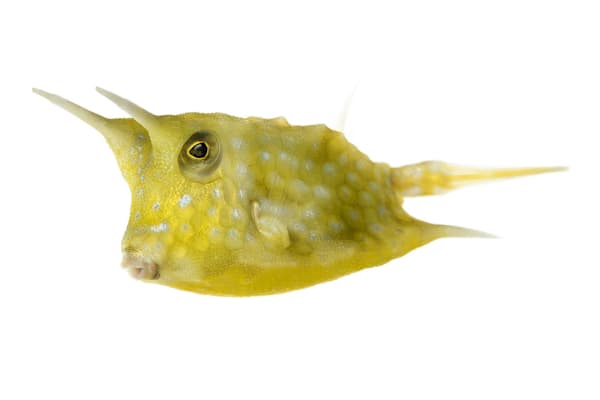
Advanced Boxfish & Cowfish Care: Ultimate Tank Setup, Food, & Safety
Learn how to care for Boxfish & Cowfish, recommended diet and aquarium setup. Find the right food, supplies and equipment at your neighborhood Petco.
Updated on April 9th, 2026
- Care Sheets
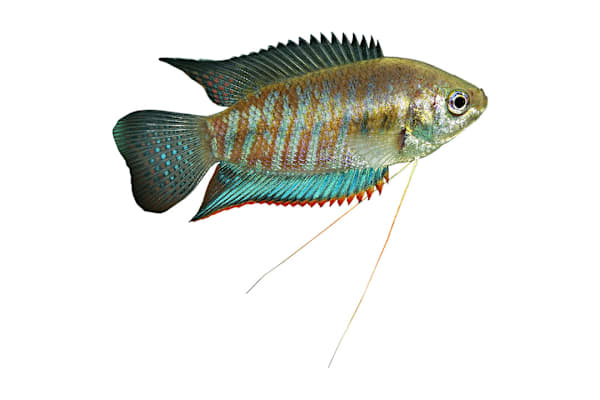
Paradise Fish Care: Complete Guide to Tank Size, Food, & Habitat Setup
Learn how to care for Paradise fish, recommended diet and aquarium setup. Find the right food, supplies and equipment at your neighborhood Petco.
Updated on April 9th, 2026
- Care Sheets
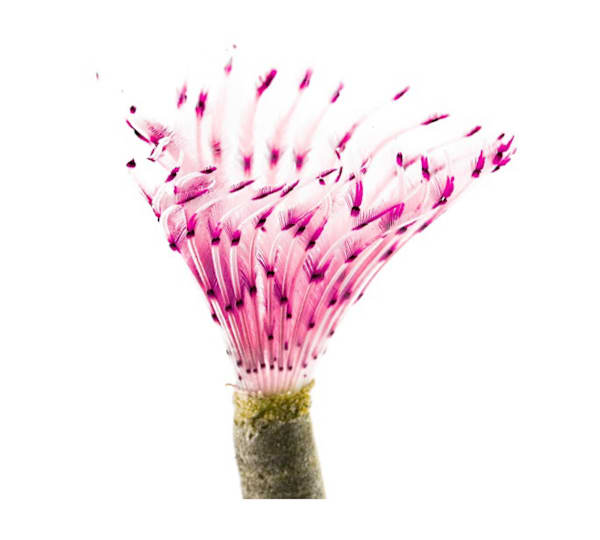
Keep Feather Dusters Thriving: Habitat, Diet, & Water Care Guide
Learn how to care for Feather Dusters. Find the right food, supplies & equipment at your neighborhood Petco.
Updated on April 9th, 2026
- Home & Habitat
How to Clean a Dirty Aquarium: Step-by-Step Guide
Find out what tools you’ll need and discover the best way to get your aquarium back on track without starting over and find out how to maintain a clean fish tank.
Updated on June 12th, 2026
- Care Sheets
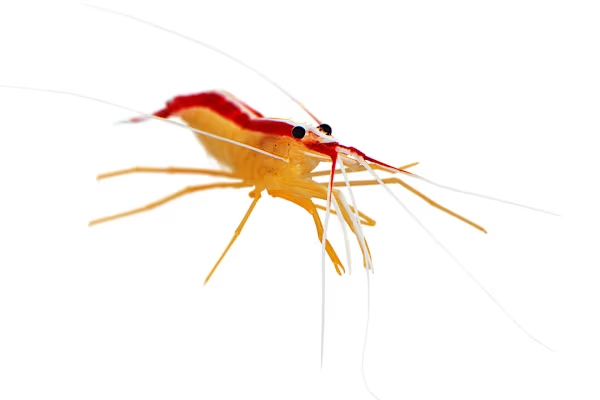
Marine Shrimp Care for Beginners: Tank Setup, Food, & Compatibility
Learn how to care for Marine Shrimp, recommended diet & aquarium setup. Find the right food, supplies & equipment at your neighborhood Petco.
Updated on April 9th, 2026
- Vet Q & A
20-gallon tank setup: What fish and supplies do I need to get started?
A fish tank will need a filter, a light/hood and a heater. Make sure the filter is rated for at least twice the tank volume. The heater should be adjustable since water temperature will depend on the species of fish. Good "starter" fish include Tetras, Mollies, Danios or Tetras. A new tank should be set up and left running empty for several weeks before adding fish. A pinch of flake food can be sprinkled in daily. This "cycling" will allow a population of beneficial bacteria to colonize the tank and filter. These bacteria will break down wastes (ammonia, nitrites and nitrates) which are toxic to fish.
Updated on September 24th, 2025
- Vet Q & A
First fish tank: What Tetras and supplies for my 12-inch tank?
Before you buy any fish, you will need to set up the tank. A basic set up includes: a tank, filter, hood/light, heater, gravel and some decor. The tank should run without fish for at least 4 to 6 weeks. This gives it time to cycle. The Nitrogen Cycle is critical to the health of the tank and any fish you will be keeping. During this time, beneficial bacterial will populate the filter and substrate (gravel). These bacteria will be responsible for breaking down fish wastes and other wastes (uneaten food, dead plants, etc.). You will need a home test kit to monitor water chemistry (ammonia, nitrites, nitrates, pH) or you will have to submit water samples for testing. Most pet stores will do this for free or for a small fee. At first, you will see high levels of ammonia and nitrites. Over time, as bacteria grow, these levels will drop. When ammonia and nitrites are at 0 ppm and nitrates are below 20 ppm, you can consider adding fish. Regular (every 1 or 2 weeks) partial water changes as well as filter changes will be needed to maintain stable water chemistry and adequate water quality. The size of your tank will determine what fish and how many you will be able to keep. Most Tetras do best in groups, so a 12 inch tank may not be large enough. There are several article in the Petco Pet Education Center, formerly Petcoach Library that will provide more detailed information. Click on "Educational Center" at the top of the page, then scroll down to "Articles" and click. Use the Search Bar to find articles regarding aquarium set up and fish keeping.
Updated on September 24th, 2025
- Food & Nutrition
New to fish? What are the easiest fish and tank size for beginners?
Guppies or Neons are excellent "starter" fish. Care is simple and they are inexpensive. A standard 10 gallon tank is recommended to start. Most people don' t realize the amount of "work" needed to maintain a tank. Filter maintenance, monitoring water chemistry, water changes, monitoring fish health and providing a balanced diet are just a few items that need regular attention to keep a tank thriving. Even though fish aren't as cuddly as cats and dogs, they do have their own personalities and even respond to their owners, especially at feeding time! Studies have shown that simply watching fish in a tank can lead to a reduction in both heart rate and blood pressure. It is quite relaxing.
Updated on September 24th, 2025
- Vet Q & A
When should I change my aquarium filter for a healthy fish tank?
How frequently to change the filter depends on what type of filter you have. There are mesh filters that filter large particles of uneaten food, feces, etc. - these often just need to be rinsed to remove the material and that is it. If they get damaged in any way, that is when they need to be replaced. Other filters that remove toxins - often carbon filters or ammonia filters, have a set time frame that they should be changed with. This time frame is often set by the manufacturer, and usually ranges between 1-3 months, but you can look at the package or talk to the pet store where you purchased it for more guidance. The biological filter, which is made up of a surface for bacteria to live on, usually don’t need a great deal of cleaning as you can kill all of the good bacteria. I hope that helps to answer your question - if you need further assistance, I would recommend a store with fish experience, or we can do a consultation together here as well! Good luck!
Updated on September 24th, 2025
- Vet Q & A
Power went out! How to oxygenate my fish tank without electricity?
Hi there! The fish will probably be ok for a day, but if the power doesn't come back on, you should consider purchasing a battery-operated aerator. I highly recommend that all fish owners keep one of these on-hand for situations like this. I don't know if this person ships to Turkey, but a similar product would be fine, too: https://www.ebay.com/p/Rapala-Battery-Powered-Aerator-Model-Raertr-c/1000293148?iid=371986500727 Most fish will come to the surface for air, but they really do need dissolved oxygen to thrive. Good luck!
Updated on September 24th, 2025