Two Easy Ways to Start Earning Rewards!
Earn 2X Pals Rewards points at Petco
when you use Petco Pay!
Get It Today
Learn how to safely handle your aquatic life to avoid toxin & bacterial exposure. Find aquatic life care supplies at your neighborhood Petco pet care center.
Updated on October 23rd, 2025
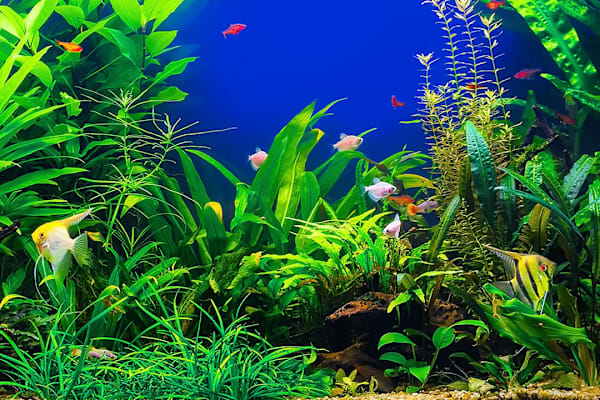
Feeding your freshwater fish isn't as simple as adding a pinch of flakes! Read these three tips to learn more about how to provide your pets the nutrition and environment they need.
Updated on July 17th, 2026
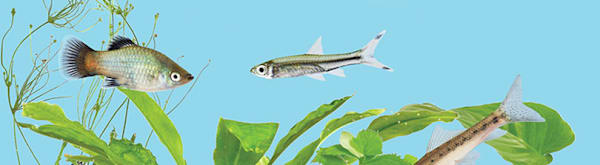
Learn how to care for brackish water fish, recommended diet & aquarium setup. Find the right food, supplies & equipment at your neighborhood Petco.
Updated on April 9th, 2026
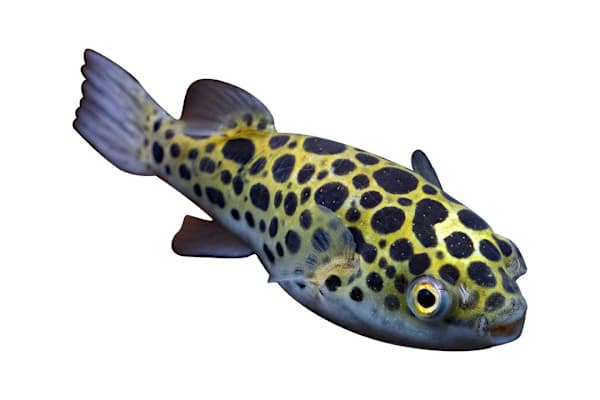
Learn how to take care of Puffer Fish, recommended diet and tank size. Find the right food, supplies and equipment at your neighborhood Petco.
Updated on April 9th, 2026
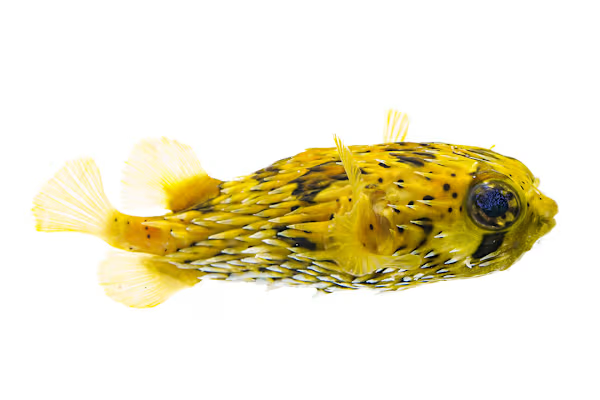
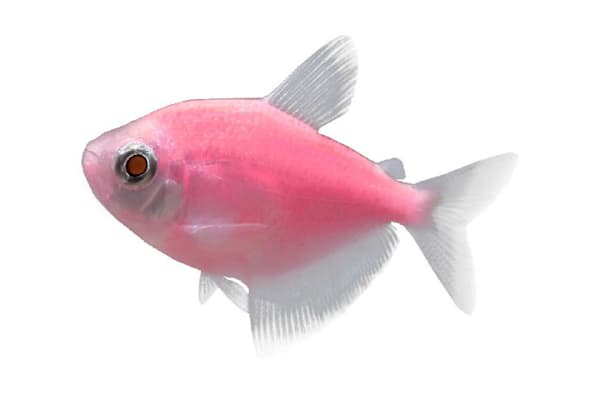
GloFish are brilliantly colored and beautiful fish. Learn how to care for GloFish, what to feed them, how long they live, their ideal tank size and more.
Updated on April 9th, 2026
I would recommend to change his water again and make sure you have a water conditioner that is not expired. I would also recommend to upgrade Smitty to a 3-5 gallon aquarium with a filtration system and a light. These tanks tend to create a healthier environment because the water is moving. You could add in live plants to provide a little extra oxygen. I hope Smitty starts feeling better!
Updated on September 24th, 2025
Before you buy any fish, you will need to set up the tank. A basic set up includes: a tank, filter, hood/light, heater, gravel and some decor. The tank should run without fish for at least 4 to 6 weeks. This gives it time to cycle. The Nitrogen Cycle is critical to the health of the tank and any fish you will be keeping. During this time, beneficial bacterial will populate the filter and substrate (gravel). These bacteria will be responsible for breaking down fish wastes and other wastes (uneaten food, dead plants, etc.). You will need a home test kit to monitor water chemistry (ammonia, nitrites, nitrates, pH) or you will have to submit water samples for testing. Most pet stores will do this for free or for a small fee. At first, you will see high levels of ammonia and nitrites. Over time, as bacteria grow, these levels will drop. When ammonia and nitrites are at 0 ppm and nitrates are below 20 ppm, you can consider adding fish. Regular (every 1 or 2 weeks) partial water changes as well as filter changes will be needed to maintain stable water chemistry and adequate water quality. The size of your tank will determine what fish and how many you will be able to keep. Most Tetras do best in groups, so a 12 inch tank may not be large enough. There are several article in the Petco Pet Education Center, formerly Petcoach Library that will provide more detailed information. Click on "Educational Center" at the top of the page, then scroll down to "Articles" and click. Use the Search Bar to find articles regarding aquarium set up and fish keeping.
Updated on September 24th, 2025
A 2.5 gallon tank is fine for a Betta and 2 snails. If you have artificial plants, use ones made of silk instead of plastic which can harm delicate fins. You'll need a heater also. Bettas are tropical fish and do best between 78 F and 80 F.
Updated on September 24th, 2025
Confirm proper water temp. Bettas do best between 78 F and 80 F. Low temps may lead to stress and illness. You can also try a small amount of plain aquarium salt (NOT table salt). Salt can aid healing and acts as a general tonic. Use 1/2-1 teaspoon per gallon of water. Driftwood or Indian Almond Leaf can also be used to condition water.
Updated on September 24th, 2025
Check water chemistry first. Use a home test kit or submit a water sample for testing. Aim for an absence (0 ppm) of ammonia and nitrites with nitrates at 20 ppm or less. Perform a partial water change to stabilize water chemistry and/or to improve water quality. Use only conditioned water that is temperature matched to prevent further stress or shock. Bettas do best between 78 F and 80 F. By your description, the issue may be swim bladder disease. This can be caused by infection (bacterial or parasites) or constipation. Maintain water quality as described above. Fast the fish for 3 days then resume feeding bits of cooked and shelled green peas. This will help with constipation. If this doesn't help. you can get a broad spectrum antibiotic from the local pet store. Look in the aquarium section. Follow label directions carefully and remove the carbon filter insert during treatment.
Updated on September 24th, 2025