Two Easy Ways to Start Earning Rewards!
Earn 2X Pals Rewards points at Petco
when you use Petco Pay!
Get It Today
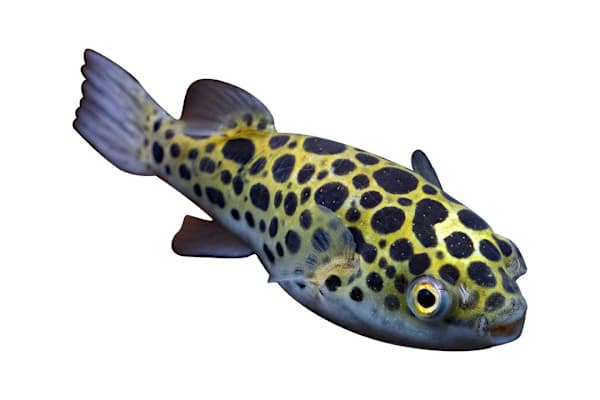
Learn how to care for brackish water fish, recommended diet & aquarium setup. Find the right food, supplies & equipment at your neighborhood Petco.
Updated on April 9th, 2026
Learn how to use aquarium salt in freshwater aquariums to promote healthy gill functions, reduce stress, and treat infections in fish.
Updated on July 17th, 2026
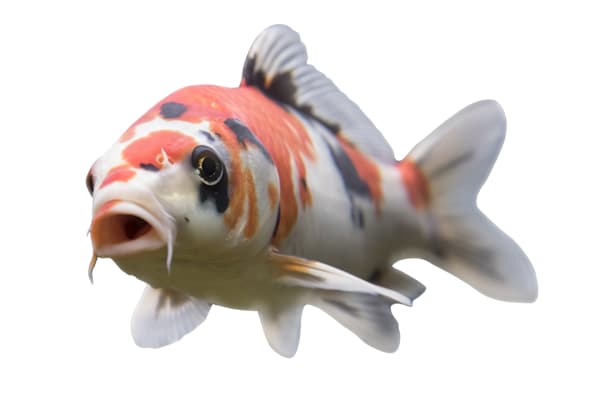
Learn how to care for a Koi, recommended diet and aquarium setup. Find Koi for sale, supplies and equipment at your neighborhood Petco.
Updated on April 9th, 2026
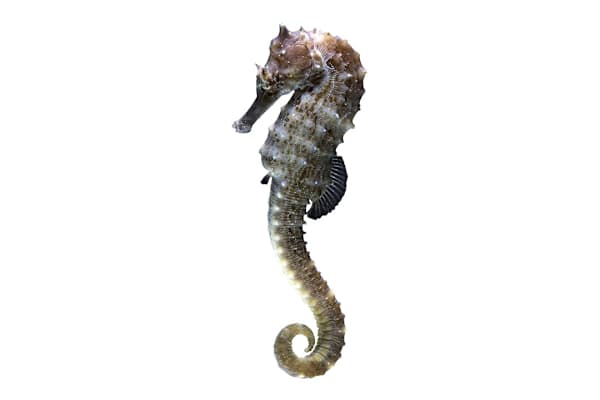
Learn how to take care of your Seahorses and Pipefish, recommended diet and tank setup. Find the right food, supplies and equipment at your neighborhood Petco.
Updated on April 9th, 2026
Wondering why you may need CO2 in your fish aquarium? Learn the basics from a Petco aquatics specialist.
Updated on July 17th, 2026
Water softeners leave very little salt residue in the treated water. Most, not all, fish *should* do fine in softened water. Make sure you get species that does better in soft water. Use a hardness kit and monitor KH. This parameter is what can affect pH. You can set aside a gallon or two and test it after it has aged for 24-48 hours to confirm it is safe to use. Check the softener unit for a bypass valve. Some units will have one or you can get one installed. Taps/faucets outside may not be in line with the softener, so you can use water from there if necessary.
Updated on September 24th, 2025
Thanks for reaching out about your aquarium and including photos. Did you test your water quality prior to the water change? Continue to test for pH, ammonia, nitrites and nitrates. Pristine water quality is needed for health. Are any of the fish new, that could have introduced parasites? Itching/flashing can be due to water quality, external parasites, bacterial or viral infections and other causes. The white lesions on the photo could be fungal infections. A skin scrape and examination under the microscope (at a veterinarian's office) is needed for an attempt to determine a cause. Fungal infections are often secondary problems, so check water quality first. Good luck.
Updated on September 24th, 2025
The best and safest method is through daily partial water changes, about 30-40% of total tank volume. Use only aged or conditioned water that is temperature matched to prevent stress or shock. Recommended water conditioners are AmQuel, NovAqua and StressCoat. These can be purchased online or in most pet stores or fish stores. A home test kit should be used to monitor levels. If a tank is properly cycled, beneficial bacteria will break down these toxins. Overfeeding, excessive light or heat and dead plants can cause spikes in ammonia and nitrite levels.
Updated on September 24th, 2025
Guppies or Neons are excellent "starter" fish. Care is simple and they are inexpensive. A standard 10 gallon tank is recommended to start. Most people don' t realize the amount of "work" needed to maintain a tank. Filter maintenance, monitoring water chemistry, water changes, monitoring fish health and providing a balanced diet are just a few items that need regular attention to keep a tank thriving. Even though fish aren't as cuddly as cats and dogs, they do have their own personalities and even respond to their owners, especially at feeding time! Studies have shown that simply watching fish in a tank can lead to a reduction in both heart rate and blood pressure. It is quite relaxing.
Updated on September 24th, 2025
Thanks for reaching out, the rule of thumb is 1" of fish per 3 gallons, but smaller tanks are very difficult to keep stable, and saltwater fish are easily stressed by environmental fluctuations (salinity, temperature, dissolved oxygen). Good luck.
Updated on September 24th, 2025