Two Easy Ways to Start Earning Rewards!
Become a member today! Members-only pricing and offers, personalized care notifications, Vital Care points back on every purchase and more!
 Become a credit card member today!
Earn 2X Pals Rewards points at Petco
when you use Petco Pay!APPLY NOWLearn More About Petco Pay Benefits
Supreme Conure Shop
Get It Today



Related Articles & Questions
- Care Sheets
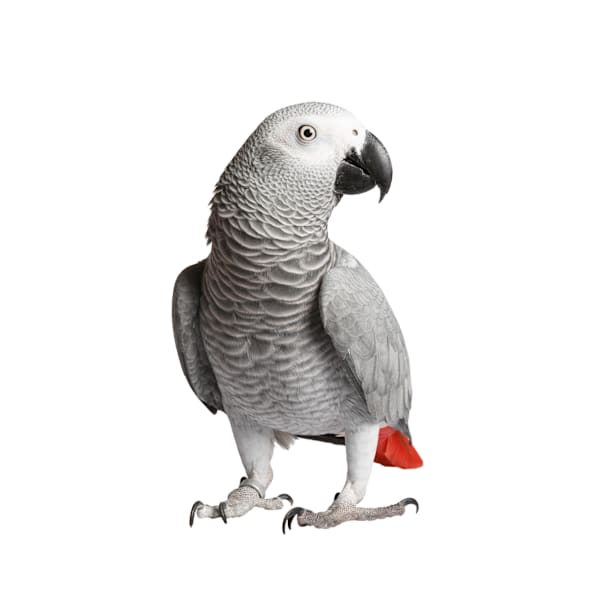
Expert Care for Your Large Hookbill: Food, Habitat, Health & Happiness
Learn how to take care of large Hookbill, recommended diet and housing setup. Find the right food, supplies and equipment at your neighborhood Petco.
Updated on April 9th, 2026
- Care Sheets
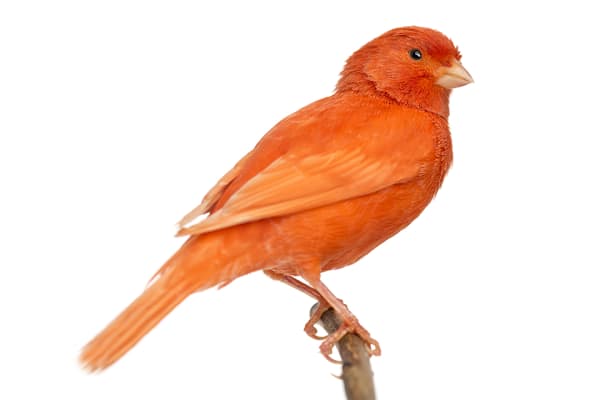
How to Care for Canaries: Food, Habitat, Health & Singing Guide
Learn how to care for a Canary, Canary facts, recommended diet and habitat setup. Find the right food, supplies and equipment at your neighborhood Petco.
Updated on April 9th, 2026
- Health & Wellness
Bird Emergency? Essential First Aid Kit & Steps to Save Your Pet
Get prepared to react calmly and efficiently when accidents happen by learning basic bird first-aid skills and putting together a pet bird first-aid kit.
Updated on October 23rd, 2025
- Care Sheets
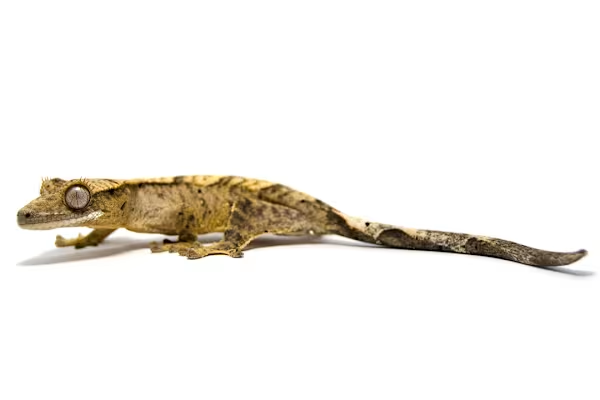
Crested Gecko Care: Habitat, Diet, Health, Supplies - Ultimate Guide
Learn how to take care of your Crested Gecko, tank size, diet & habitat setup. Find the right food, supplies and equipment at your neighborhood Petco.
Updated on December 22nd, 2025
- Food & Nutrition
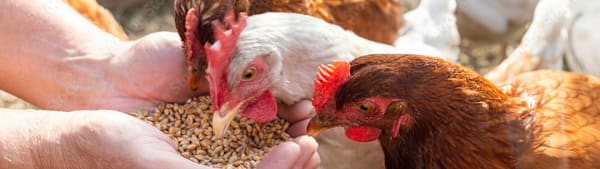
Cool Facts About Chickens + What They Can Eat
Do you have questions about what to feed your chicken(s)? Petco has the answers! Visit us to learn about chicken dietary needs.
Updated on June 19th, 2026
- Food & Nutrition
My 8-week-old Sun Conure is on formula. What should I feed him?
AT this age, he should be weaning. Begin introducing a pelleted diet, about 1/4 cup daily to start. Harrison's, Roudybush, Lafeber or Pretty Bird are excellent brands. You may still need to provide supplemental feedings. Monitor his weight closely. You can also offer fresh greens and vegetables as well as a seed mix such as NutriBerries.
Updated on September 24th, 2025
- Health & Wellness
My conure is head bobbing and has dark poop. Is it diet or stress?
Thanks for reaching out about your conure. Decreased appetite often shows are dark feces. Seed is a poor diet for parrots, deficient in vitamins, minerals and proteins. Birds need to eat a wide variety of vegetables, cooked beans as a protein source and avian pellets. The head bobbing might be reversion to baby-hood, wanting to be fed by mom (induced by stress of new home). Syringe feed if needed to maintain weight. Good luck.
Updated on September 24th, 2025
- Training & Behavior
First parakeet: What do I do for care, taming, and habitat?
Hello and congratulations on your new friend, King! Parakeets make wonderful pets, and they are a great first bird for a new bird owner. It sounds like you have everything in order, but I'd definitely get King some toys sooner rather than later as parakeets do require mental stimulation - they are very intelligent! Taming will take some time and patience. Using a perch to entice him to step up can be a good place to start, though I recommend waiting a few days to allow him to adjust to his new surroundings first. Yummy treats can be helpful - dried fruits and veggies are a good choice. Here are some good tips on taming your parakeet: http://www.budgiekeet.com/taming.html Good luck, and I hope King adjusts well! :)
Updated on September 24th, 2025
- New Pet
Considering a second conure: Will they get along? Gender & cage needs?
Hello! I’m glad to hear that things are going so well with Rico that you are considering a second bird. Birds are flock animals so they do tend to do well with other birds. There are a few things to keep in mind though, before adopting another bird. The birds should be about the same size, though don’t have to be the same species. This is to reduce the chance of fighting and trauma from a big bird to a little bird. The birds should have infectious disease screenings to ensure they don’t introduce any illness to each other. I’d recommend minimum of a physical exam, fecal gram stain, fecal float, screening bloodwork (CBC, chemistry), and Chlamydia testing. An avian veterinarian will be able to do all of this for you and they may recommend some additional testing based on what’s already been done by the breeder/store/rescue. I would recommend that each bird has their own cage, at least at the beginning until they get to know each other. Sometimes, birds just don’t get along no matter what we do. They are individuals and it’s possible that personalities can clash. So be prepared to have two separately kept birds in case that happens. However, since Rico is still young, I bet that he will take accept a new bird well! Good luck!
Updated on September 24th, 2025
- Health & Wellness
Is my conure's green poop and feather loss normal or a sign of illness?
Bird droppings normally contain some green as well as white and some liquid. If you feed mainly seeds, the droppings will be mostly green. A pelleted diet will make droppings darker. Some feather loss is normal as she matures. Her first molt may be around 8 months of age. Symptoms of illness that warrant an exam with your veterinarian include lethargy, decreased appetite, loose droppings, perched with feathers fluffed, vomiting or excessive regurgitation.
Updated on September 24th, 2025