Two Easy Ways to Start Earning Rewards!
Become a member today! Members-only pricing and offers, personalized care notifications, Vital Care points back on every purchase and more!
 Become a credit card member today!
Earn 2X Pals Rewards points at Petco
when you use Petco Pay!APPLY NOWLearn More About Petco Pay Benefits
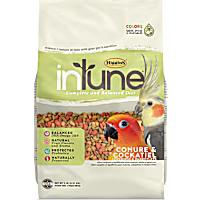
InTune Conure Shop
Get It Today



Related Articles & Questions
- Care Sheets
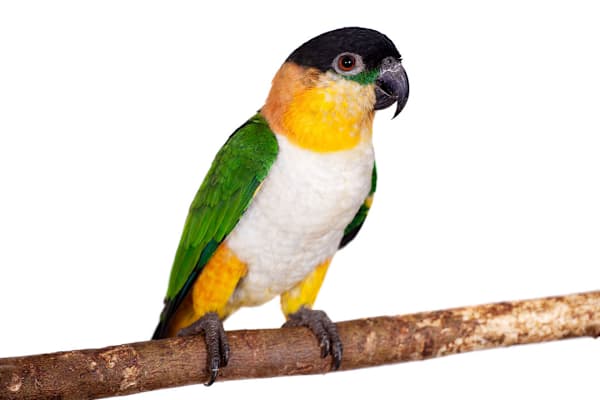
Small Hookbill Parrot Care: Food, Habitat, Health & Behavior Tips
Learn how to care for small hookbill parrots, recommended diet & bird cage setup. Find the right food, supplies & equipment at your neighborhood Petco.
Updated on April 9th, 2026
- Care Sheets
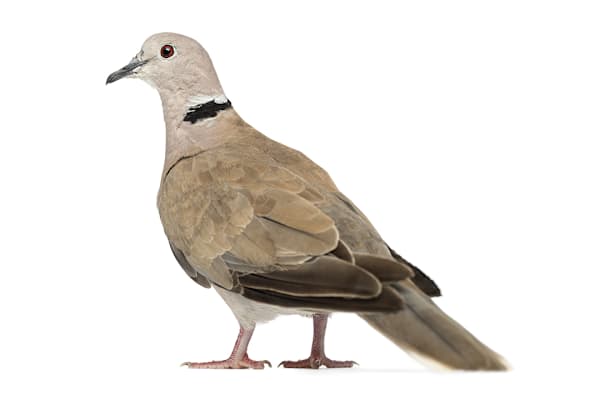
How to Care for Pet Doves: Food, Habitat, & Health for Happy Birds
Learn how to care for your pet dove, recommended diet and cage setup. Find the right food, supplies and equipment at your neighborhood Petco.
Updated on April 9th, 2026
- Training & Behavior
How to Train a Pet Parrot: Step-Up & Beyond
The first command to teach pet birds is 'step up.' This one command will help establish a great relationship between you and your bird from the very beginning.
Updated on July 17th, 2026
- Care Sheets
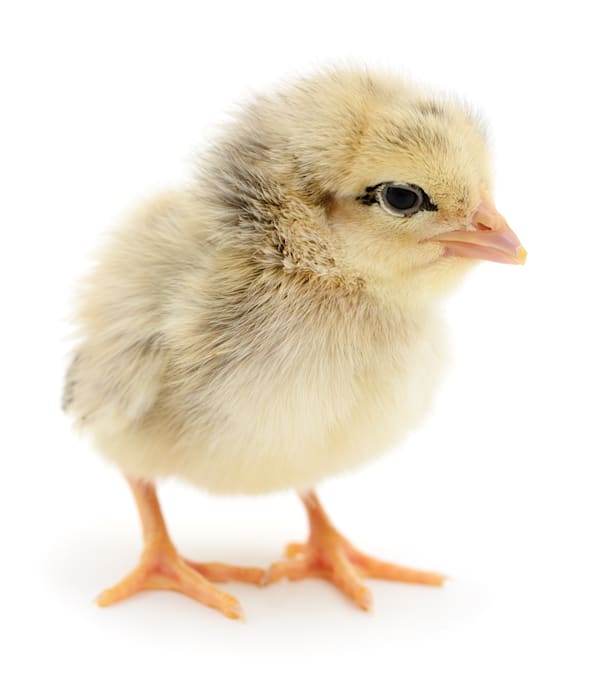
Baby Chick Care: Food, Habitat & Health for Happy, Healthy Chicks
Learn how to take care of a Chick, recommended diet and habitat setup. Find the right food, supplies and equipment at your neighborhood Petco.
Updated on April 9th, 2026
- Care Sheets
Your Cat's Best Life: Feeding, Health, Behavior & Home Guide
Learn how to care for your cat, recommended diet and grooming care. Find the right food, supplies and equipment at your neighborhood Petco.
Updated on April 9th, 2026
- Training & Behavior
Help! I have a new conure. What are the best care tips for beginners?
Congratulations on your new bird! Conures are wonderful pets and can be lifelong friends. I'm not sure exactly what kind of advice you're looking for based on your question, but I'll try to give you my general new-bird-owner advice in hopes that it will help. If not, please feel free to post a more specific question. - Be sure that the cage for Felipe is not only secure, but large enough to allow for his complete wingspan and at least a little bit of flight. This is especially true if he will be spending a lot of time in his cage (like while you're at work). - Psychological stimulation is very important to conures - they're like toddlers. Offer several toys in Felipe's cage. Commercial bird toys are usually great, and you can find lots at your local pet store, or a big-box store like Petco. They love to tear things up, so paper to shred and cardboard boxes can be great, cheap toys for them as well. - If you're offering water in a bowl, you'll need to change it at least once daily. Most conures love to bathe, and Felipe will likely make a lovely mess out of his water dish while splashing around. Many conures also like to dip their food in their water, and this can also dirty it up quickly. - Most veterinarians recommend a pelleted diet for parrots. A seed-only or high-seed content diet is extremely high in fat, which can cause liver disease if fed consistently. There are a lot of great pellet diets for birds at pet stores, including brands like Zupreem (which is what I feed my own bird). You should also supplement your bird's diet with fresh veggies and fruits, if possible. Here's a good list of foods to avoid: https://lafeber.com/pet-birds/foods-toxic-pet-birds/ - The biggest concern most new conure owners have is behavior-related. For the first few days, Felipe may appear withdrawn and want to stay in his cage. It's important to let him come out in his own time. Sit by his cage and talk to him, and offer tasty food treats (fruits, vegetables, nuts, etc). He'll eventually come to the conclusion on his own that you're not scary, but if you force him, he may react aggressively. Conures do and will bite if provoked - if this occurs, ignore him. Generally, these birds want to be with their flock members (you!) and will learn quickly that biting does not get them the attention they crave. I hope this helps - as I mentioned earlier, please feel free to post another question if you'd like to know something more specific about conure ownership. Good luck, and I hope that you and Felipe have many great years together (depending on the species, this is at least 20 years!).
Updated on September 24th, 2025
- Food & Nutrition
Why do my parakeets chew perches and only eat from high food dishes?
It is not uncommon for birds to chew at one particular spot on a perch. It looks like you have a number of wooden dowel perches in the cage - you could try to vary these by providing Manzanita wood perches (they look more like branches) and this may provide them with some areas that they can clean their beaks and wear their nails as well. For your question about the food dishes - it is very common for birds to only utilize materials (including food, water, toys, and perches) that are at the top of their cage. The reason for this is that they typically live in the trees, so they like to be high up the majority of the time. I would advise removing the dishes that are down low, and only providing dishes high in the cage. You can still provide multiple dishes if desired, in case you have some competition for food among the birds in the family. I hope that answers your questions, and thanks for using Petco Pet Education Center, formerly Petcoach!
Updated on September 24th, 2025
- Food & Nutrition
How do I feed my new sun conure? Pellets, seeds, and healthy treats?
Hello. You will want to use a very good formulated pelleted feed for Loki. Stay away as much as possible from all seed diets. Pellets should compromise 75-80% of the total daily food intake. 20% of the diet should be fruits, vegetables & greens ( not lettuce ). Nutri-berries would be a good treat, but keep the amounts small. And of course, fresh water daily. Thanks for using Petco Pet Education Center, formerly Petcoach.
Updated on September 24th, 2025
- Food & Nutrition
Why does my sun conure have bad breath? Is it food or an infection?
Hello! I am so happy to hear you are looking to improve your birds nutrition! Nutrition is the foundation of good health in birds and is so important! I recommend ZuPreem, Roudybush, Lafeber, or Harrison pellets. You can buy all of these except Harrison’s at your local PetCo or other pet store. It’s important to feed about 75% of the diet as a complete, high quality pelleted food. The brand you chose is less important and will often be dictated by what Charlie prefers (for example, my bird hates Harrison’s, but loves ZuPreem, so that’s what I buy). The remaining 25% of the diet should be mostly fresh vegetables (10-20%) with a small portion of seeds and other treats like fruit and nuts. I usually recommend that owners save the really tasty but not nutritionally sound treats like sunflower seeds, nuts, dried fruit for training. If Charlie only gets treats when he’s interacting with you, this will help improve and solidify your bond. If your bird is really attached to eating seeds, this transition can be quite difficult. The process of transitioning from seeds to pellets can be involved, and I’d be happy to provide a consultation on this topic if you would like. As for the bad breath, that can mean many things. It could be nothing at all and just a side effect of the food you’re feeding, as you suggested. It’s also possible it could be an infection. However, since you say Charlie is otherwise acting normally, I’d be inclined to believe it’s just from the food. I hope this was helpful! Please let me know if I can help in any other way. Good luck to you and Charlie!
Updated on September 24th, 2025
- Health & Wellness
My parrot is losing feathers, pale, and has brown tips. What to do?
I think you need to put him on a feathering vitamin like this one. It seems Amazon does not have it in stock but maybe you can find it elsewhere? https://www.amazon.in/Nekton-Labs-Nekton-Bio-Bird-Feathering/dp/B0002DIM3W/ref=sr_1_24?dchild=1&keywords=nekton&qid=1587814617&sr=8-24
Updated on September 24th, 2025