Two Easy Ways to Start Earning Rewards!
Become a member today! Members-only pricing and offers, personalized care notifications, Vital Care points back on every purchase and more!
 Become a credit card member today!
Earn 2X Pals Rewards points at Petco
when you use Petco Pay!APPLY NOWLearn More About Petco Pay Benefits
Sertraline Cat Medicine


Related Searches
Related Articles & Questions
 Health & Wellness
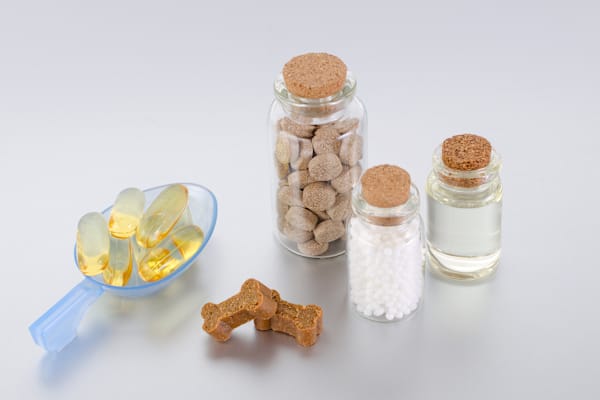
Unlock Optimal Health: Best Pet Supplements for Your Dog & Cat
Discover how to choose the best supplements for your pet’s health, from essential vitamins to joint support and digestion aids. Learn age-specific and seasonal supplement tips for cats and dogs.
Updated on June 19th, 2026
- Health & Wellness
Is Your Pet Depressed? Signs, Causes & How to Help Your Dog or Cat
Dogs and cats experience a wide range of emotions. But what about depression? Let’s investigate whether pets get depressed and, if they do, what can be done about it.
Updated on October 23rd, 2025
- Care Sheets
Your Cat's Best Life: Feeding, Health, Behavior & Home Guide
Learn how to care for your cat, recommended diet and grooming care. Find the right food, supplies and equipment at your neighborhood Petco.
Updated on April 9th, 2026
- Health & Wellness
Pet Joint Health & Mobility Tips for Dogs and Cats
Help your pet stay active with tips to improve mobility and manage joint health, keeping them moving happily at every stage of life.
Updated on June 19th, 2026
- Health & Wellness
Fleas in Cats: Is Injectable Flea Prevention Right for Your Cat?
Because fleas are so problematic, flea prevention is essential! Commonly prescribed preventives include oral and topical medications—although injectable flea prevention is available, as well.
Updated on June 19th, 2026
- Health & Wellness
Why is my cat acting crazy after taking Ariprazol & Gabapentin?
I'm wondering if Portifoy is on aripiprazole or Abilify, and if this is causing adverse signs due to serotonin syndrome. I can't find any information on dosing in cats, but I would imagine that like most antidepressants hyperexcitability might be a symptom. Amitriptyline is another common medication that is used as an antidepressant in situations like this that can cause odd behavior. I'd recommend talking to your vet about whether or not you should continue the medications. While gabapentin can cause sedation I think it would be less likely to cause these symptoms.
Updated on September 24th, 2025
- Training & Behavior
What's the safest anxiety medication for my cat: Fluoxetine or Amitriptyline?
Ultimately, this is a decision that really needs to be made by the prescribing veterinarian, as there may be good reasons for choosing one of these medications over the other for a particular patient. But in general, I can tell you that most veterinary behaviorists prefer SSRIs like fluoxetine over older TCAs like amytriptyline as a first-line choice for anxiety issues in cats because they tend to have fewer side effects and are better tolerated by most patients. I personally use fluoxetine frequently in both dogs and cats, and have not prescribed amirtiptyline in years. But again, your vet may have good reasons for whichever medication they recommend - just ask, and express your concerns if you have any so that the two of you can come to the best decision for Fiona :)
Updated on September 24th, 2025
- Health & Wellness
My cat has severe anxiety. What meds can I use to avoid a vet visit?
Hi there. Yes, there are definitely medications that can help with chronic anxiety in cats, and she would likely also benefit from other changes in her environment to help make her more comfortable. Ideally, I would strongly recommend getting in touch with a veterinary behaviorist who can evaluate her in person and help you put together a detailed treatment plan for her, including medication if he/she feels that it would be helpful in Sunny's case. You can search for one in your area here: www.dacvb.org If this isn't possible, then you can certainly work with your regular veterinarian if he/she is comfortable treating behavioral issues in cats. You will indeed need to have her seen for an exam in order to start any prescription medication - so you'll need to bring her into the clinic, or you can see if there are any vets in your area who offer housecall services. You can ask your veterinarian about using a calming supplement such as Anxitane or Zylkene before the visit to help make her a bit more comfortable, if needed.
Updated on September 24th, 2025
- Vet Q & A
My cat ate my antidepressant. She's drowsy. Is this an emergency?
Mirtazapine does have a side effect of drowsiness or sedation in pets. It is commonly used in cats as an appetite stimulant. 30mg would be 4 times higher than I normally use, and this overdosage can cause: 57% vocalizing, 38% agitated, 23% vomiting, 21% tachycardic, 15% ataxic and 11% lethargic. The symptoms can last a little longer than 72 hours. As long as Dolly is still eating and drinking normally, I would continue to watch her. If the she is still not completely normal in a day or two, she may need a checkup with a vet.
Updated on September 24th, 2025
- Health & Wellness
Is off-brand Zyrtec safe for cats? What ingredients to avoid?
Hello and welcome to Petco Pet Education Center, formerly Petcoach. A safe dose of Cetirizine is 2.5 - 5 mg per cat, so this is likely half a tablet. Please make sure that Cetirizine is the only medical ingredient in the tablet, and there are no other additives. Pseudoephedrine is very toxic for cats, if this is present in the tablet, go to your vet right away. If you have given 10mg, that is ok, she might just be sleepy. Best of luck with Panda.
Updated on September 24th, 2025