Two Easy Ways to Start Earning Rewards!
Become a member today! Members-only pricing and offers, personalized care notifications, Vital Care points back on every purchase and more!
 Become a credit card member today!
Earn 2X Pals Rewards points at Petco
when you use Petco Pay!APPLY NOWLearn More About Petco Pay Benefits
Fritz Fish Health & Wellness
Get It Today


Related Articles & Questions
 Care Sheets
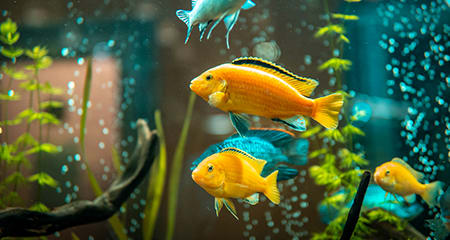
Master Aquatic Plant Care: Lush Aquarium Plants & Happy Fish
Tanks with live plants can be excellent additions to your home, bringing a touch of nature indoors. Learn how to take care of aquatic plants.
Updated on November 6th, 2025
- Health & Wellness
Is Your Aquarium Fish Sick? Spot & Treat Cotton Wool Disease Fast!
Cotton wool disease is a common ailment that affects aquarium fish. Learn more about the signs, symptoms and treatment solutions at Petco.
Updated on June 19th, 2026
- Home & Habitat
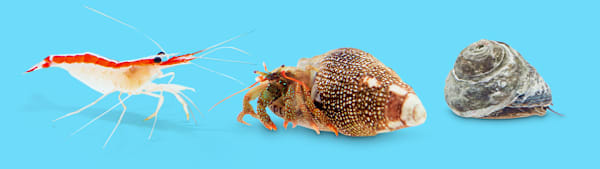
Marine Aquarium Clean Up Crew: Complete Guide
Visit Petco to learn about cleanup crews and how they can help your aquarium health.
Updated on June 19th, 2026
- Care Sheets
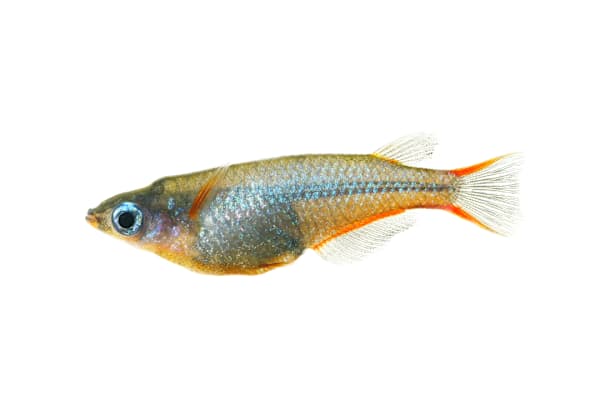
Complete Ricefish Care: Setup, Diet, & Habitat for Thriving Fish
Learn more about these slow moving fish and the care they need when added to your aquatic environment.
Updated on April 9th, 2026
- Health & Wellness
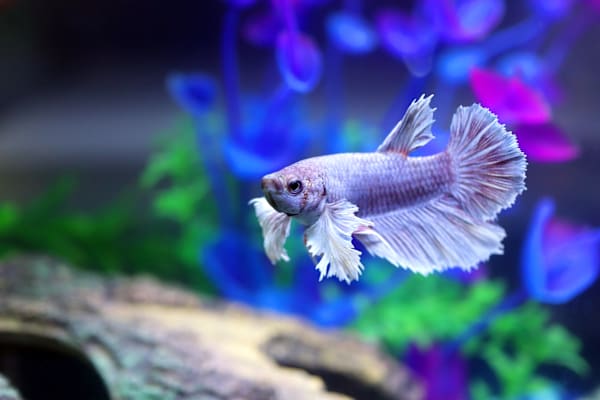
How to Play With Your Betta Fish
You may not take your betta fish for a walk, but this aquatic pet still needs daily activity. Petco shares how to encourage daily exercise and play into your betta fish's life.
Updated on July 17th, 2026
- Vet Q & A
My fish died. How do I make my aquarium water safe for new fish?
I would recommend to have the water completely changed. New water should be ideally submitted for quality testing. Most pet stores will do this for free or a nominal fee. High ammonia levels, PH imbalances may be responsible for that as well. Oxygen concentration and quality of the filters should be determined as well. Please do not hesitate to contact us again on the forum or by requesting a consultation if you have any more questions or to discuss it any further.
Updated on September 24th, 2025
- Health & Wellness
My fish has fin rot & a wound. Is quarantine & salt enough? Any subs?
Generally speaking you can follow these guidelines: - set up quarantine tank: make sure the tank is well oxygenation and has some plants for hiding; - add 1 teaspoon of aquarium salt per gallon; unfortunately it is very difficult to replicate the composition of aquarium salt back home so I would strongly suggest to buy a specific product. - add this product https://www.liveaquaria.com/product/4410/?pcatid=4410 as indicated; - leave your fish there and feed him regularly for 3-4 days until you don't see any improvement - If no results at all are seen after 4 days a check up would be needed as more specific tests may be needed to establish a specific diagnosis. Hope this answer was helpful, but please do not hesitate to contact us again on the forum or by requesting a consultation if you have any more questions or to discuss it any further. Please find the time to give us a feedback about the consultation as that will be used to improve our service.
Updated on September 24th, 2025
- Health & Wellness
My parrot fish has thread-like growths after metronidazole. Treatment?
Without an image, it is difficult to make detailed recommendations. In general, maintain pristine water quality and chemistry. Monitor for elevated ammonia or nitrite levels and perform partial water changes as needed. Use only conditioned water that is temperature matched to prevent stress or shock. Consider adding in a second antibiotic, such as Kanamycin, to treat gram negative bacterial infection. When treating the tank, be sure to remove the carbon filter insert during treatment.
Updated on September 24th, 2025
- Training & Behavior
My fish jumped out of tank and bled. What else can I do to help?
Hi, I’m glad Maxi made it through that ordeal! It sounds like you acted promptly and appropriately. Salt and stress coat are the perfect first step, short of an exam by a veterinarian. Since she’s acting normally, I would keep a close eye on her activity, body symmetry, and appetite. If in doubt, or you notice any changes in her regular patterns or attitude, don’t hesitate to take her to your vet. Good job acting so fast to save her!
Updated on September 24th, 2025
- Vet Q & A
Why is my fish resting at the bottom and can't open its mouth?
Check the water chemistry and quality first. Elevated ammonia or nitrite levels can be toxic. Partial water changes can be done to stabilize and improve water chemistry. Use only aged or conditioned water that is temperature matched to prevent further stress or shock. For goldfish, a range of 65F to 72F is recommended. Check the filter and rinse the sponge with tank water, not tap water, to spare beneficial bacterial populations and to maintain water quality. The tank may not be large enough to support 5 goldfish. Generally, 20 gallons should be allowed for the first goldfish then a 10 additional gallons should be provided for each additional goldfish. This is due to the larger than average bio load (wastes) they produce. Consider a larger tank or decrease the number of fish in one tank. Use a filter that is rated for at least twice the volume of the tank and add an airstone and pump for increased oxygenation. Plain aquarium salt (NOT table salt). Can be used as a general tonic. It will reduce stress, improve gill function, aid in any recovery and may treat or prevent minor infection. Dissolve 1 teaspoon of salt per gallon of water in a cup of tank water and gently pour it into the tank. Treat for 10-14 days. When performing water changes, add salt only to the amount of water being replaced, not the entire tank volume.
Updated on September 24th, 2025