Two Easy Ways to Start Earning Rewards!
Become a member today! Members-only pricing and offers, personalized care notifications, Vital Care points back on every purchase and more!
 Become a credit card member today!
Earn 2X Pals Rewards points at Petco
when you use Petco Pay!APPLY NOWLearn More About Petco Pay Benefits
BioCube Aquarium Filters & Media
Get It Today


Related Articles & Questions
 Product Guides
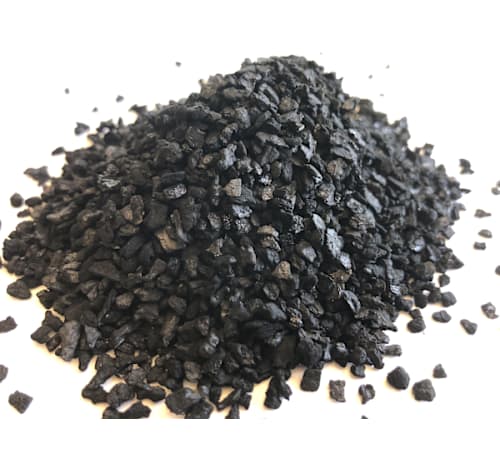
Activated Carbon in Aquarium Filters: Complete Guide
What is activated carbon and should you add it to your aquarium filter? Learn about activated carbon's uses, maintenance, and how to add it to your filter.
Updated on July 17th, 2026
- Care Sheets
Freshwater Community Fish: Care, Setup & Compatibility Guide
Learn how to care for freshwater community fish, recommended diet & aquarium setup. Find the right food, supplies & equipment at your neighborhood Petco.
Updated on April 9th, 2026
- Care Sheets
Build Your Thriving Saltwater Tank: Easy Setup for Marine Life
Learn how to set up a saltwater fish tank and key considerations regarding placement, supplies needed, and the overall set up process.
Updated on October 23rd, 2025
- Care Sheets
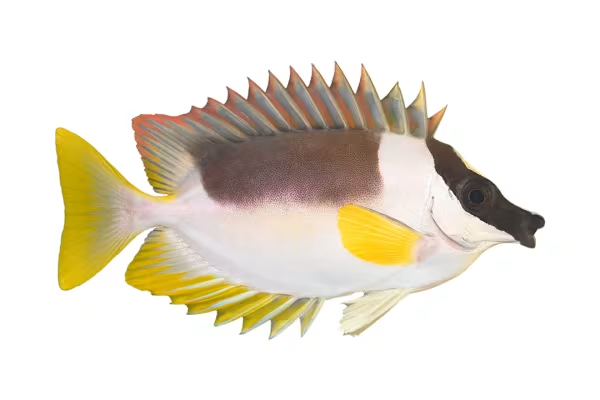
Foxface & Rabbitfish Care: Tank, Food, Compatibility, & Venomous Spines
Learn how to care for Foxface fish & Rabbitfish, recommended diet and aquarium setup. Find the right food, supplies and equipment at your neighborhood Petco.
Updated on April 9th, 2026
- Home & Habitat
Fish Aquarium Lamps: The Complete Lighting Guide
We can help you navigate your way through all the types of lights in fish tanks and determine which type is best for your aquarium.
Updated on June 19th, 2026
- Vet Q & A
When should I change my aquarium filter for a healthy fish tank?
How frequently to change the filter depends on what type of filter you have. There are mesh filters that filter large particles of uneaten food, feces, etc. - these often just need to be rinsed to remove the material and that is it. If they get damaged in any way, that is when they need to be replaced. Other filters that remove toxins - often carbon filters or ammonia filters, have a set time frame that they should be changed with. This time frame is often set by the manufacturer, and usually ranges between 1-3 months, but you can look at the package or talk to the pet store where you purchased it for more guidance. The biological filter, which is made up of a surface for bacteria to live on, usually don’t need a great deal of cleaning as you can kill all of the good bacteria. I hope that helps to answer your question - if you need further assistance, I would recommend a store with fish experience, or we can do a consultation together here as well! Good luck!
Updated on September 24th, 2025
- Food & Nutrition
Is my 5.5-gallon tank filter too strong for a new baby betta fish?
If you can adjust the filter flow, it should be fine if you turn it down. If not, you may need to use something to redirect the outflow to decrease current strength. You can use a piece of sponge or pre-filter in the intake to prevent a small fish from being drawn into the filter. Although live food is nice, it can be difficult or time consuming. Live food can be purchased online and typically includes instructions on care and feeding. Food companies all offer "micro-pellets" for smaller fish which is also an option.
Updated on September 24th, 2025
- Food & Nutrition
New to fish? What are the easiest fish and tank size for beginners?
Guppies or Neons are excellent "starter" fish. Care is simple and they are inexpensive. A standard 10 gallon tank is recommended to start. Most people don' t realize the amount of "work" needed to maintain a tank. Filter maintenance, monitoring water chemistry, water changes, monitoring fish health and providing a balanced diet are just a few items that need regular attention to keep a tank thriving. Even though fish aren't as cuddly as cats and dogs, they do have their own personalities and even respond to their owners, especially at feeding time! Studies have shown that simply watching fish in a tank can lead to a reduction in both heart rate and blood pressure. It is quite relaxing.
Updated on September 24th, 2025
- Vet Q & A
Why do my fish keep dying in my newly set up aquarium?
It is possible the tank has not cycled properly which results in high ammonia and nitrite levels which can kill fish. Allow the tank to run, without fish, for at least 4-6 weeks. During this time, use a home test kit or submit a water sample for testing every few days. The local Petco may do this for free or for a small fee. What you are looking for is to have ammonia and nitrites at 0 ppm and nitrates at 20ppm or less. pH can hover around 7 for most community fish. Avoid large, rapid swings in pH though. What is happening in the tank during this time is that beneficial bacteria are populating the gravel/substrate and the filter. These bacterial populations are responsible for the Nitrogen Cycle. This cycle breaks down wastes from fish, uneaten food and plant matter into by-products that are filtered out or dissipate. You can "cycle" a tank with fish, however this increases the risk of loss. Once your tank has cycled, you can add fish. You will still need to monitor water chemistry and perform partial water changes regularly. Use only conditioned water that is temperature matched to prevent stress or shock. You will also need to vacuum the gravel regularly and rinse the filter media. Never use tap water to rinse. Use a bit of tank water to protect bacterial populations in the sponge.
Updated on September 24th, 2025
- Health & Wellness
Is my well water with a salt filter safe for my aquarium fish?
Water softeners leave very little salt residue in the treated water. Most, not all, fish *should* do fine in softened water. Make sure you get species that does better in soft water. Use a hardness kit and monitor KH. This parameter is what can affect pH. You can set aside a gallon or two and test it after it has aged for 24-48 hours to confirm it is safe to use. Check the softener unit for a bypass valve. Some units will have one or you can get one installed. Taps/faucets outside may not be in line with the softener, so you can use water from there if necessary.
Updated on September 24th, 2025