


Two Easy Ways to Start Earning Rewards!
Become a member today! Members-only pricing and offers, personalized care notifications, Vital Care points back on every purchase and more!
 Become a credit card member today!
Earn 2X Pals Rewards points at Petco
when you use Petco Pay!APPLY NOWLearn More About Petco Pay Benefits
Diethylstilbestrol (DES) for Dogs: Incontinence & Prostate Treatment
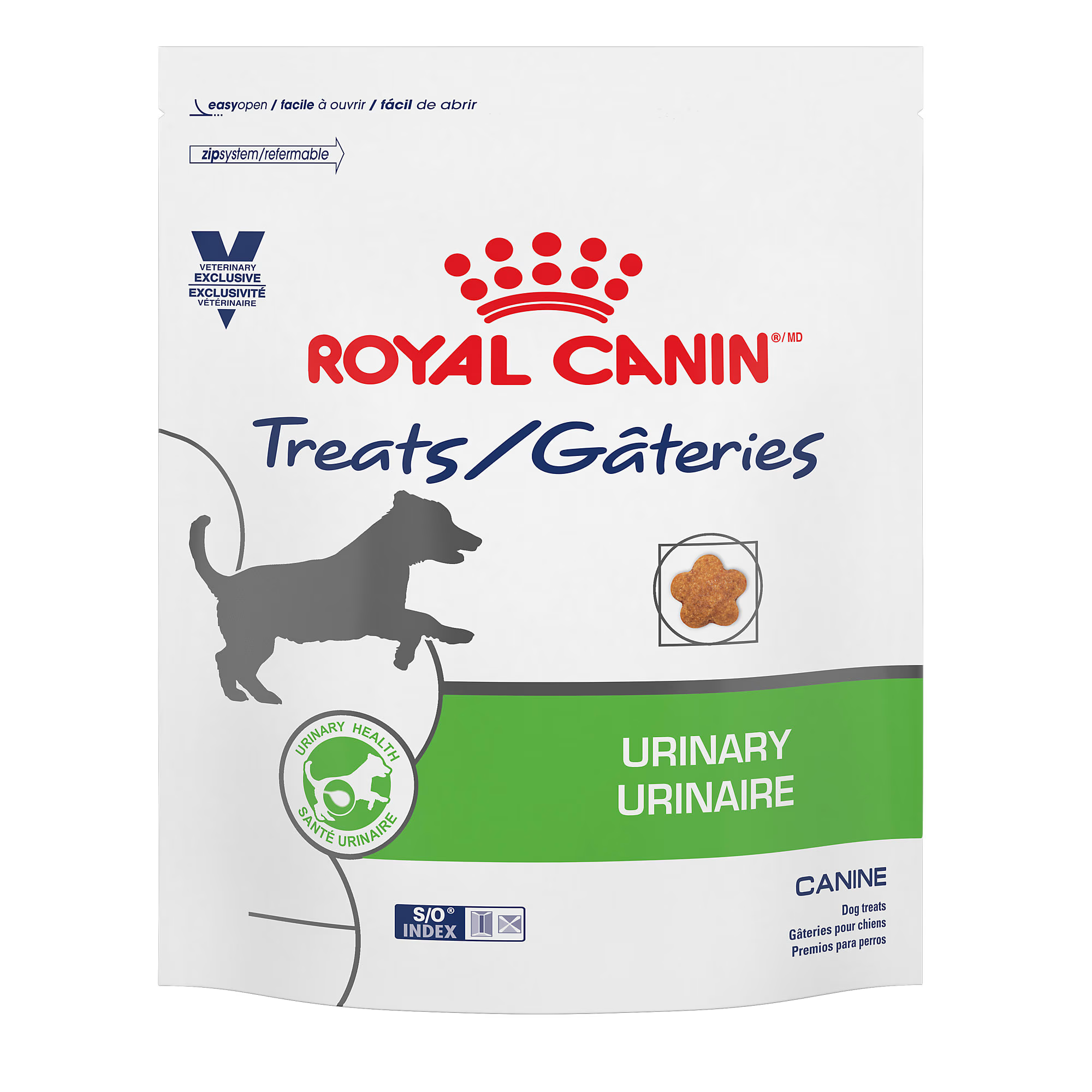 Royal Canin Veterinary Diet Canine Urinary SO Treats Adult Dry Dog Food, 1.1 lbs.
View Details
 Royal Canin Veterinary Diet Canine Urinary SO Adult Loaf in Sauce Dog Food, 13.5 oz., Case of 24
View Details
 Pet Honesty Bladder Health Cranberry Soft Chews for Dogs, Count of 90
View Details
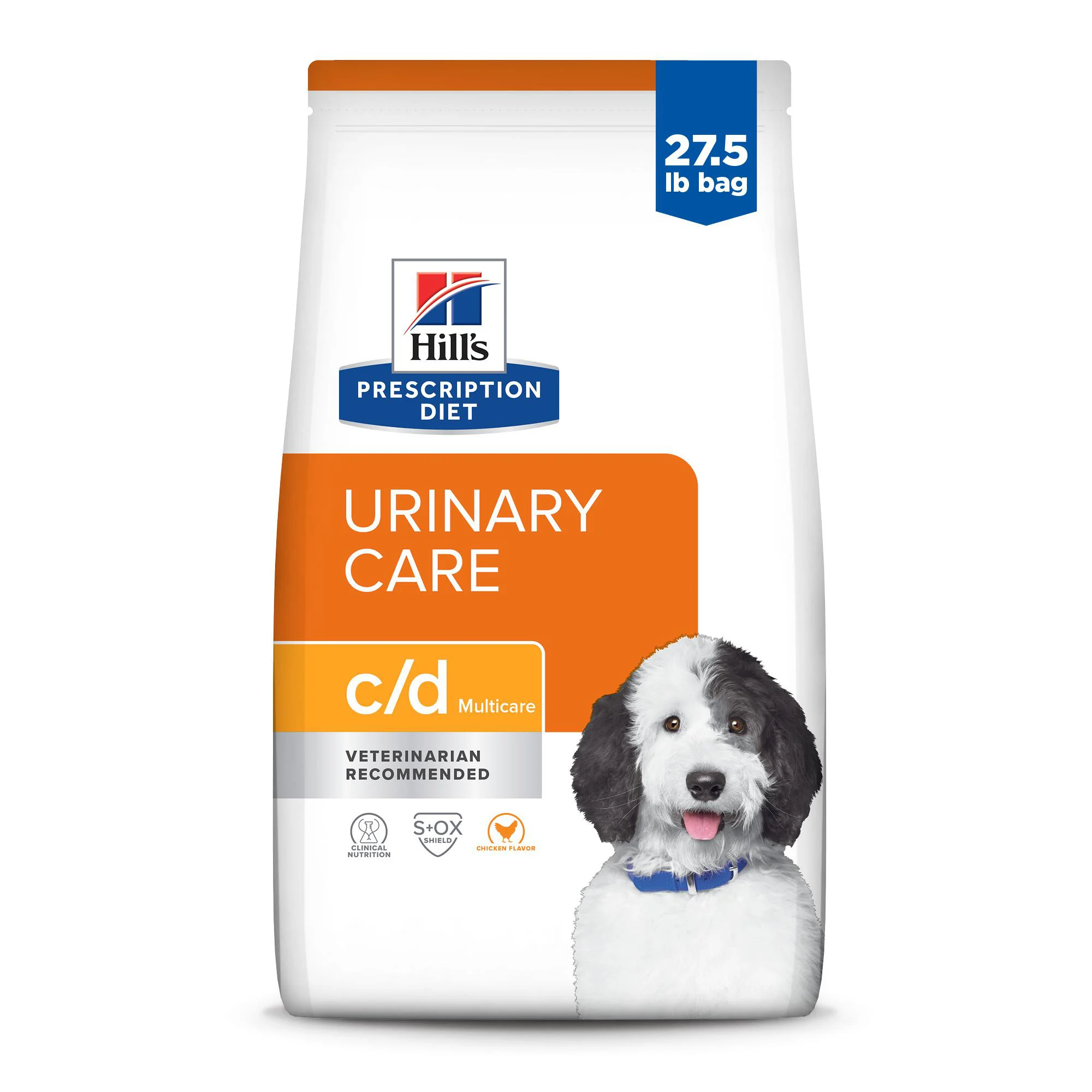 Hill's Prescription Diet c/d Multicare Urinary Care Chicken Flavor Dry Dog Food, 27.5 lbs.
View Details
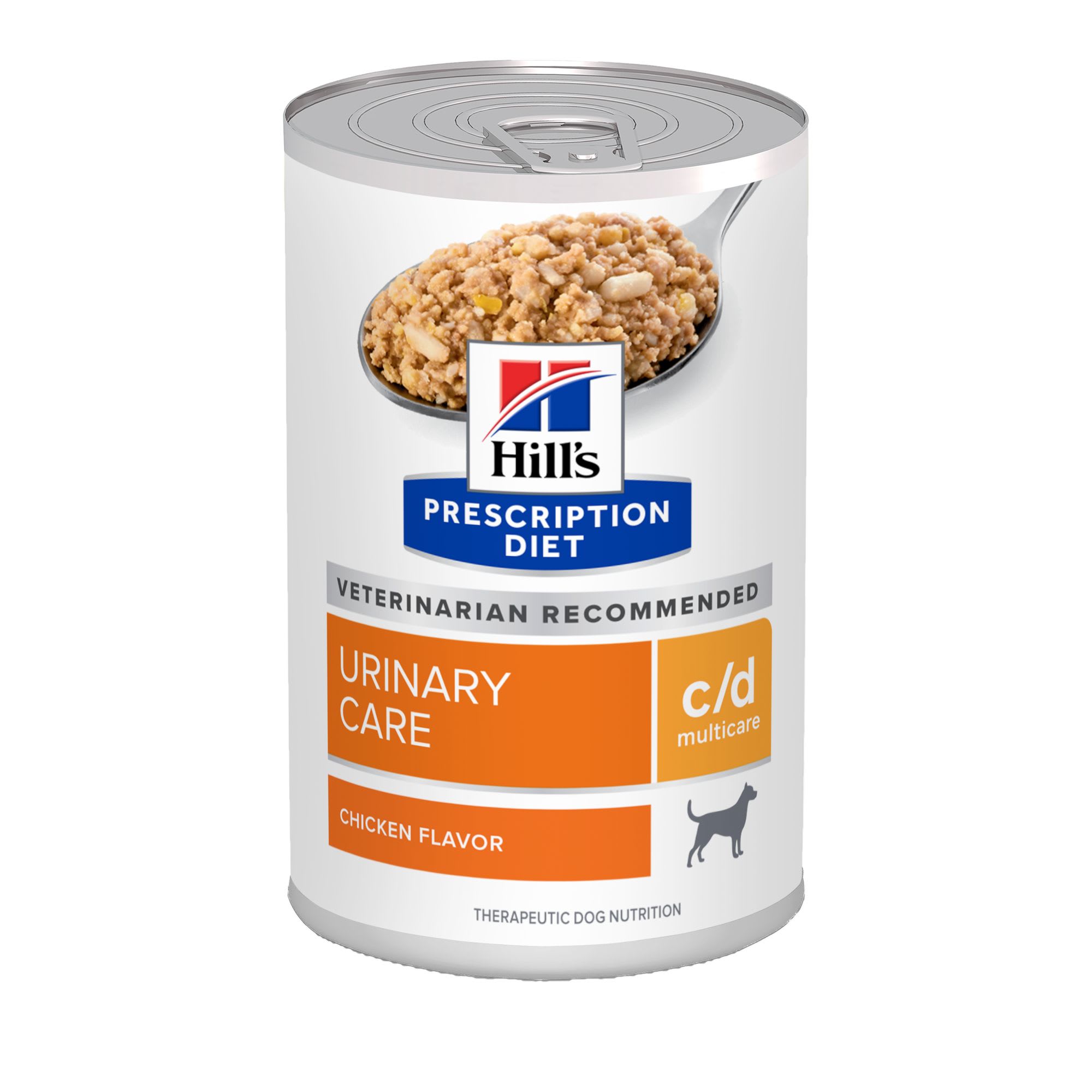 Hill's Prescription Diet c/d Multicare Urinary Care Chicken Flavor Canned Dog Food, 13 oz., Case of 12
View Details
Synthetic estrogen hormone historically used to treat urinary incontinence in spayed female dogs and benign prostatic hypertrophy (enlarged prostate) in male dogs.
The use of diethylstilbestrol (DES) is controversial and no longer common. Clients should use personal protective equipment (wear gloves and/or wash hands after touching) to minimize risk of exposure. Pregnant women should avoid handling DES.
Summary
Used For:
Historical use for urinary incontinence in spayed female dogs
Brands:
None available in the US
Species:
Dogs
Other names:
DES, Diethylstilbestrolum, Stilbestrol, Stilboestrol, NSC-3070
Drug type:
Endocrine
Prescription required:
Yes
Pregnancy and lactation:
Not safe for use in pregnant or lactating animals.
Side effects:
Bone marrow toxicity, GI effects, mammary cancers, uterine disease, feminization in males
General description
Diethylstilbestrol is a synthetic estrogen hormone that was historically used in the treatment of urinary incontinence in female dogs and benign prostatic hypertrophy (prostate enlargement) in male dogs. The use of diethylstilbestrol for the prevention of pregnancy is not recommended due to potential serious side effects.
Uses
The use of diethylstilbestrol in general has become controversial with the FDA approval of the drug estriol (Incurin).
How it works
Diethylstilbestrol binds to the estrogen receptors in the tissues of the body, including the reproductive tract and urinary tract (bladder).
Dosage
Dogs: 0.1-1 milligram per dog by mouth for 3-5 days, then taper to every other day, then taper to lowest effective dose (typically 1-3 times per week).
Forms
Stilbestrol tablets for oral use in 0.5 and 1 milligram sizes. (Canada)
Storage information & handling
Tablets should be stored at room temperature in a tight container. Keep out of the reach of children and measures should be taken to prevent exposure in pregnant women due to risks to the fetus.
What results can I expect?
Reduced urine leaking or dribbling incontinent spayed female animals, reduces prostate size in male dogs.
Missed Dosage
If a dose is missed, continue with the next dosage at the scheduled time.
Overdose / acute toxicity
No information available regarding acute toxicity or overdose in veterinary medicine. Contact your veterinarian or poison control if you believe your pet received an overdose of diethylstilbestrol.
Side effects
May include:
- Bone marrow toxicity (decreased production of blood cells)
- Gastrointestinal upset
- Pyometra (uterine infection)
- Cystic endometrial (uterine) hyperplasia
- Mammary (breast) cancers
- Feminization of male animals
- Heart, liver and pancreatic lesions in cats
Contraindications
Avoid use in:
- Pets with known sensitivity to estrogens
- Females with estrogen-sensitive cancers
Drug interactions
*Antifungal medications can increase estrogen levels.
*Cimetidine, erythromycin and clarithromycin may decrease the metabolism of estrogen.
*Phenobarbital and phenytoin may decrease estrogen concentrations.
*Rifampin may decrease estrogen levels.
*The activity of anticoagulants such as warfarin may be decreased by estrogen.
*Estrogen may enhance the effects of corticosteroids.
*Estrogens may diminish the therapeutic effect of levothyroxine, and an increase in levothyroxine dose may be needed.
*May decrease efficacy of tricyclic antidepressants (eg, amitriptyline, clomipramine).
Precaution
Use with caution in patients with liver disease, pre-existing anemia or low blood counts, and young patients. High doses can cause ovarian cancer in dogs.
Clients should use personal protective equipment (wear gloves and/or wash hands after touching) to minimize risk of exposure. Pregnant women should avoid handling DES.
Laboratory considerations
CBC due to potential blood dyscrasias. Monitor thyroid levels closely in patients on thyroid supplementation.
Sources
Plumb’s Veterinary Drug Handbook
Manufacturer information: Ormond Veterinary Supply (Canada)
Disclaimer
The information contained on this page is for educational purposes only. This medication should only be given under the advice of a veterinarian who has examined your pet under the laws applicable to your state of residence.