Two Easy Ways to Start Earning Rewards!
Become a member today! Members-only pricing and offers, personalized care notifications, Vital Care points back on every purchase and more!
 Become a credit card member today!
Earn 2X Pals Rewards points at Petco
when you use Petco Pay!APPLY NOWLearn More About Petco Pay Benefits
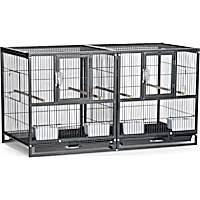
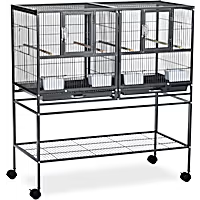
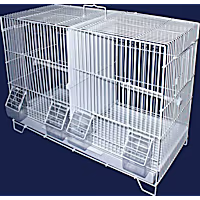
Large Parakeet Cages
Easy returns in store or by mail See policy
Easy returnsGet It Today




pop-up content starts

- Terms $50: From 10/16-10/31/26, Petco Perks members can earn promotional bonus points in-store at Petco or Unleashed by Petco: earn 10,000 points ($10 Petco Cash) when you spend $50–$99.99. Must activate offer to use in store. Limit one offer per customer. Qualifying spend is calculated on the subtotal before taxes, discounts, and shipping and must be spent in a single transaction. Pet services, gift cards, donations, membership fees, taxes, and shipping are excluded. Bonus points load to accounts on 11/1/26 and must be used by 11/14/26.
- Terms $100: From 10/16-10/31/26, Petco Perks members can earn promotional bonus points in-store at Petco or Unleashed by Petco: earn 20,000 points ($20 Petco Cash) when you spend $100+. Must activate offer to use in store. Limit one offer per customer. Qualifying spend is calculated on the subtotal before taxes, discounts, and shipping. Pet services, gift cards, donations, membership fees, taxes, and shipping are excluded and must be spent in a single transaction. Bonus points load to accounts on 11/1/26 and must be used by 11/14/26.
- Disclaimers: Valid in-store at Petco or Unleashed 10/16–10/31/26. Perks membership require. Must activate offer to use in store. Limit one per customer; single transaction only. Subtotal must equal at least your Qualifying Spend to receive the offer. Subtotal refers to the amount of order before taxes, discounts and shipping. Pet services, gift cards, donations, membership fees, taxes, and shipping are excluded. Points load 11/1/26; expire 11/14/26.
pop-up content ends
Related Articles & Questions
- Care Sheets
Master Medium Parakeet Care: Essential Guide for a Long, Happy Life
Learn how to care for a medium-sized parakeets, recommended diet & bird cage setup. Find the right food, supplies & equipment at your neighborhood Petco.
Updated on April 9th, 2026
- Care Sheets
Parakeet Care: Your Complete Guide to Budgie Food, Habitat & Health
Learn how to care for parakeets (budgies), recommended diet and habitat setup. Find the right food, supplies and equipment at your neighborhood Petco.
Updated on October 23rd, 2025
- New Pet
First-Time Bird Owner? Essential Guide to Your Pet Bird's Perfect Home
Learn some tips about bringing your new pet bird home for the first time. Find out what supplies and actions will help her feel most at home.
Updated on October 23rd, 2025
- Care Sheets
New Finch Owner: Master Finch Care for Food, Habitat & Health
Learn how to take care of your pet Finches, recommended cage size, diet & housing setup. Find the right food, supplies & equipment at your local Petco.
Updated on April 9th, 2026
- Care Sheets
Lovebird Care: Your Complete Guide to Food, Habitat & Health
Learn how to take care of your Lovebirds, recommended cage size, diet and housing setup. Find the right food, supplies and equipment at your local Petco.
Updated on April 9th, 2026
- Vet Q & A
Where can I find an affordable or free cage for my two parakeets?
Thanks for reaching out about Aqua. You can search for free cages on sites such as Craigs List or local bird rescue groups. A minimal size is probably 2' x 2' x 3', but depends on how much time is spent in the cage. Flight is good exercise but needs to monitored so the birds don't get themselves into trouble flying around. No bird should be left outside of its cage unattended. If birds are active and out of the cage for a fair amount, the night cage can be smaller, as is for mostly sleeping. Good luck.
Updated on September 24th, 2025
- Training & Behavior
New to parakeets? Essential care tips for first-time owners.
Parakeets, also called Budgerigars, are small members of the parrot family and they can become good mimics. The average adult size is 7 inches long, head to end of tail. The average life span is between 10 to 20 years with proper care. A well-balanced Parakeet diet consists of: Specialized pellets should make up 60-70% of diet, fresh vegetables and fruits and small amounts of fortified seeds Clean, fresh, filtered, chlorine-free water, changed daily. Do not feed birds: avocado, fruit seeds, chocolate, caffeine or alcohol; it can cause serious medical conditions. Avoid sugar and high fat treats. Things to remember when feeding your Parakeet: Fresh food and water should always be available. Vegetables and fruits not eaten within a few hours should be discarded. Remember, treats should not exceed 10% of total food intake. Housing Parakeets acclimate well to average household temperatures, not to exceed 80°F; be cautious of extreme temperature changes. The habitat should area that is well-lit and away from drafts. A habitat approximately 18"W x 18"D x 18"H, with metal bars spaced no greater than 1-2" apart, makes a good home for one Parakeet. A flight habitat is strongly recommended. It is best to provide the largest habitat possible. Perches should be at least 4" long and 3-8" in diameter; a variety of perch sizes to exercise feet and help prevent arthritis is recommended. Perches should be at least 4" long and 3-8" in diameter; a variety of perch sizes to exercise feet and help prevent arthritis is recommended. A metal grate over the droppings tray will keep the bird away from droppings; line the droppings tray with habitat paper or appropriate substrate for easier cleaning. To avoid contamination, do not place food or water containers under perches. Parakeets can be kept alone to bond with pet parent or in pairs to bond with each other. Different birds she not be housed together. Normal Behavior Parakeets are talkers, but their little voices are sometimes hard to hear. Active and need daily time out of their habitats to interact with family. Keep in pairs if unable to devote daily interaction time. Provide foraging toys, which provide important mental stimulation. Housing Maintenance Clean and disinfect the habitat and perches regularly; replace substrate or habitat liner weekly or more often as needed. Replace perches, dishes, and toys when worn or damaged; rotate new toys into the habitat regularly. Ensure that there are no habitat parts or toys with lead, zinc or lead-based paints or galvanized parts as these can cause serious medical issues if ingested by your bird. Do not use a lot of cleaning agents around your bird a natural cleaner. Grooming & Hygiene Provide filtered, chlorine-free, lukewarm water regularly for bathing; remove the water when done. As an alternative, mist the bird with water. Clipping flight feathers is not necessary, but when done correctly it can help prevent injury or escape; consult an avian veterinarian on what is best for your bird. Nails should be trimmed by a qualified person to prevent injury to the bird. Signs of a Healthy Animal: Active, alert, and sociable Eats and drinks throughout the day Dry nares and bright, dry eyes Beak, legs and feet normal in appearance Clean, dry vent Smooth, well-groomed feathers Common Health Issues Chlamydiosis: Appetite loss, fluffed feathers, nasal discharge, green stool. Seek immediate avian veterinary attention. Diarrhea: Fecal portion of stool is not formed. Multiple causes from diet change to internal parasites. Consult with an avian veterinarian and ensure proper diet. Feather plucking: Bird plucks own feathers; may be due to boredom, poor diet or other illness. Consult your veterinarian and relieve boredom with attention, new toys or new space. Mites (scaly face and leg disease): White deposits on eyes, beak, legs, and feet. Consult your veterinarian. Red Flags Beak swelling or accumulations Fluffed, plucked, or soiled feathers Sitting on floor
Updated on September 24th, 2025
- Vet Q & A
What's the best travel cage for my 3 parakeets when moving?
You should be able to purchase a travel cage at any local pet store that carries bird supplies. You'll want to find one that is large enough to house all three birds comfortably, and that a food and water dish can be placed in. You'll want the same spacing of the bars as you would a regular cage (usually 1/2 inch or smaller for parakeet and smaller birds) to prevent any injury. You may also want to find a cover that can fit the travel cage as well, as keeping it dark while moving the birds can help reduce stress and anxiety during the move.
Updated on September 24th, 2025
- Training & Behavior
First parakeet: What do I do for care, taming, and habitat?
Hello and congratulations on your new friend, King! Parakeets make wonderful pets, and they are a great first bird for a new bird owner. It sounds like you have everything in order, but I'd definitely get King some toys sooner rather than later as parakeets do require mental stimulation - they are very intelligent! Taming will take some time and patience. Using a perch to entice him to step up can be a good place to start, though I recommend waiting a few days to allow him to adjust to his new surroundings first. Yummy treats can be helpful - dried fruits and veggies are a good choice. Here are some good tips on taming your parakeet: http://www.budgiekeet.com/taming.html Good luck, and I hope King adjusts well! :)
Updated on September 24th, 2025
- Home & Habitat
Choosing a parakeet cage: Are dome tops safe and what size is best?
Hello! You absolutely can get a dome top cage! The bigger the better for birds, as exercise is very important to their physical and psychological health. The major thing to consider if the bar spacing. You don’t want the parakeets to be able to get their heads through the bars, so stick with 1/4-1/2 inch spacing to be safe. Some big cages have wider spacing, around 1 inch and this may be too wide for your birds. Also, make sure the cage is high quality powder coated and not exposed metal, as zinc and lead exposure can be an issue with wrought iron or hand made cages. Good luck!
Updated on September 24th, 2025