Two Easy Ways to Start Earning Rewards!
Become a member today! Members-only pricing and offers, personalized care notifications, Vital Care points back on every purchase and more!
 Become a credit card member today!
Earn 2X Pals Rewards points at Petco
when you use Petco Pay!APPLY NOWLearn More About Petco Pay Benefits
Whisper Saltwater Fish Shop
Get It Today


Related Articles & Questions
- Care Sheets
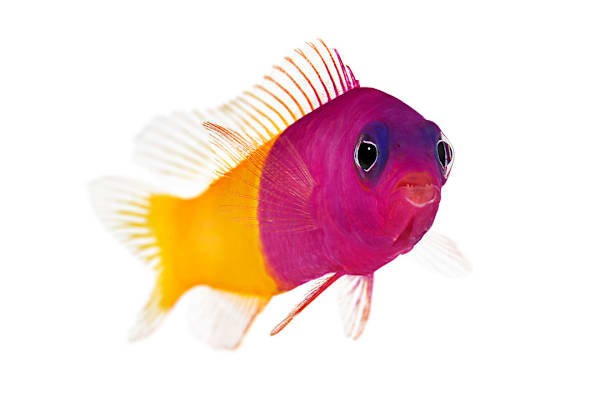
Master Small Marine Fish Care: Tank Setup, Food, & Compatibility Guide
Small Marine Fish are favorites with marine aquarists and includes a wide range of species.
Updated on April 9th, 2026
- Care Sheets
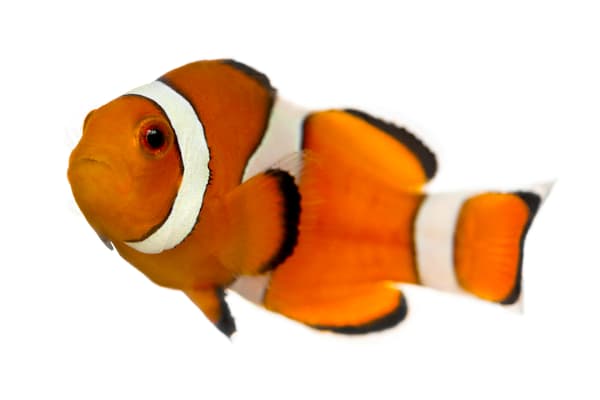
Clownfish Care: Your Easy Guide to Tank Setup, Food & Compatibility
Learn how to care for a Clownfish, recommended diet and aquarium setup. Find Clownfish for sale, supplies and equipment at your neighborhood Petco.
Updated on April 9th, 2026
- Health & Wellness
Fish Stress: Signs, Causes & How to Help
Learn how to spot the signs of a stressed fish and what you can do to calm them and and restore a peaceful, stress-free atmosphere for your aquarium inhabitants.
Updated on July 17th, 2026
- Health & Wellness
Fish Gasping for Air? Top Reasons & How to Save Your Pet Fast
Is your fish coming to the tank surface to breathe? Find out why your fish may be staying at the top of the tank, if it's normal, and tips on how to ensure your pet is the healthiest it can be.
Updated on January 8th, 2026
- Home & Habitat
How to Clean a Dirty Aquarium: Step-by-Step Guide
Find out what tools you’ll need and discover the best way to get your aquarium back on track without starting over and find out how to maintain a clean fish tank.
Updated on June 12th, 2026
- Vet Q & A
Where can I find expert help for my fish tank filtration questions?
You should contact by email the administrators of the website (you can find general email on the contact section) and they put you in touch with the Head Vet in charge of hiring new experts. Best of luck and hope to see you joining the team soon. Dr. Orioles
Updated on September 24th, 2025
- Vet Q & A
My fish swallowed another fish and is choking, what do I do?
Thanks for reaching out about Hidesy. A veterinary visit is highly recommended. Clove oil is an approved anesthetic in fish and can be acquired at many health food stores. If you anesthetized the fish, you might be able to extract and stop the choking. First, try and find a veterinarian, now. Good luck.
Updated on September 24th, 2025
- Vet Q & A
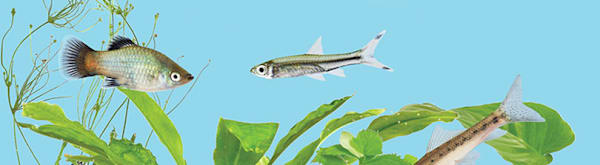
What fish can I put in a 3-gallon tank, and how to change water?
The small size will limit the species of fish as well as the number. White Cloud Minnows or Guppies would do fine in a small tank. You could keep no more than 2 or 3 fish total. If you are looking for company for your Betta, the same species can be kept. Other options include Otocinclus (Otos), Corys, Platys or Harlequin Rasboras. Again, no more than one or two in addition to the Betta. Water changes for any tank are simple. Change no more than 30% total volume at a time. Use a water conditioner to remove harmful chemicals and make sure the water is temperature matched to prevent stress or shock. Rinse the filter in tank water, not tap water, to preserve beneficial bacteria. Vacuum the substrate every couple of weeks.
Updated on September 24th, 2025
- Vet Q & A
How to identify my black fish and what do they need for their tank?
As for what kind of tank you will need: Basically a square fish tank, do not get a bowl. You will likely need a heater and an air pump, and a thermometer, It is easiest to by a complete kit at a pet shop. As for size of tank: The bigger is always the better....however a minimum size will be determined by the type of fish and their average size they will grow into, So once we know what type of fish you have and how many, we can tell you how big your tank needs to be and what type of "furniture" (rocks, plants, gravel) you will need.
Updated on September 24th, 2025
- Health & Wellness
Why is my cichlid fish faded, breathing heavy, but still eating?
Hi, and thanks for your question. This is a quite generic presentation and a logic approach is needed. Begin by submitting a water sample for quality testing. Most pet stores will do this for free or a nominal fee. Clinical examination should always include a water quality check, even if you have done so already. Water testing should be performed with a quality test kit, measuring NH4, NO2 and NO3. High ammonia levels, PH imbalances may be responsible for these signs. Oxygen concentration and quality of the filters should be determined as well. If water quality is good and there are no major imbalances, your fish should get examined to look for any sign of bacterial/fungal infection and eventually water should be treated. Hope this answer was helpful, but please do not hesitate to contact us again on the forum or by requesting a consultation if you have any more questions or to discuss it any further. If this answer was helpful please let us know, this will be used to improve our service!
Updated on September 24th, 2025