Two Easy Ways to Start Earning Rewards!
Become a member today! Members-only pricing and offers, personalized care notifications, Vital Care points back on every purchase and more!
 Become a credit card member today!
Earn 2X Pals Rewards points at Petco
when you use Petco Pay!APPLY NOWLearn More About Petco Pay Benefits
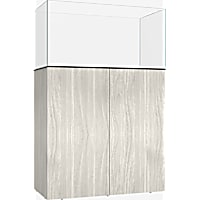
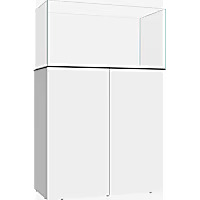
Waterbox Aquarium Stands 20 to 39 Gallons

Related Searches
Related Articles & Questions
- Home & Habitat
How to Set Up a Fish Tank: Complete Setup Guide
Everything you need to know about how to start a fish tank. Learn about setting up an aquarium, choosing the right type, and acclimating new fish to your tank.
Updated on June 19th, 2026
- Home & Habitat
Freshwater Aquarium Plant Maintenance Guide
Learn how to pick the right aquarium plants, substrate, lighting, and fertilizers to ensure that your aquarium plants thrive and stay healthy.
Updated on July 17th, 2026
- Product Guides
Petco Filters: Complete Aquarium Filtration Guide
Discover the fish tank filter system that’s right for your aquarium. Learn about mechanical, chemical, and biological filtration at Petco.
Updated on June 19th, 2026
- Home & Habitat
CO2 for Fish Aquariums: What Every Pet Parent Should Know
Wondering why you may need CO2 in your fish aquarium? Learn the basics from a Petco aquatics specialist.
Updated on July 17th, 2026
- Care Sheets
Brackish Water Fish Care: Your Complete Guide to Tank, Food & Species
Learn how to care for brackish water fish, recommended diet & aquarium setup. Find the right food, supplies & equipment at your neighborhood Petco.
Updated on April 9th, 2026
- Training & Behavior
I just bought a Pearl Arowana. What care does my new fish need?
Arowanas need large tanks due to their size. They also require powerful filtration to maintain water quality. Water changes will also be critical to water quality since they produce a lot of wastes. Use only conditioned water that is temperature matched to prevent stress or shock. A home test kit should also be used to monitor water chemistry. Minimum tank size should be between 130 and 150 gallons. Adults will need larger tanks. Keep a cover in place as they are accomplished jumpers. They should be kept in "soft" water and, being tropical fish, maintain temps between 75 F and 86 F. Feed a varied and balanced diet including krill, shrimp, mealworms, nightcrawlers and feeder fish. Food can be fresh, frozen (thaw it first) or freeze dried. Lastly, these are aggressive fish, so tank mates must be chosen carefully, if at all.
Updated on September 24th, 2025
- Health & Wellness
My fish tank has high alkalinity. Is it safe for fish? How to lower?
Thanks for reaching out about your fish. Things depend on the difference between the existing water and the future tank. The wider the range, the more stress. Match temperature also, as that provides the most stress. Good luck.
Updated on September 24th, 2025
- Health & Wellness
What plants, substrate, and fish meds are safe for my planted tank?
Java Moss, Java Fern, Anubias and Amazon Swords are among the easiest live plants to care for and cultivate in an aquarium. You can use aquarium soil or aquarium sand depending on the species of plant(s) chosen. When medicating fish, it is best to remove them to a hospital or quarantine tank. This will spare live plants as well as beneficial bacterial populations, especially if an antibiotic is used. Medicated food is also an option.
Updated on September 24th, 2025
- Vet Q & A
Why are my angelfish and red tail shark sick in their new tank?
Check the water chemistry and temperature. Use a home test kit or submit a water sample to test fro elevated ammonia or nitrite levels. Most pet stores will do this for free or for a small fee. Partial water changes can be done, if indicated, to stabilize chemistry and improve or maintain water quality. Ideally, you want 0 ppm ammonia and nitrites with nitrates at 20 ppm or less in a non-planted tank or 40 ppm or less in a planted tank. Use only aged or conditioned water that is temperature matched to prevent stress or shock. You'll need to keep the temp at the upper limits for Red Tails in order to keep the Angelfish comfortable. That would be in the 78F to 80 F range. Both have similar pH requirements, 6.8 to 7.5. You can fast the Angel for 2-3 days then feed bits of cooked, shelled green peas. This will usually resolve constipation and bloating. Pristine water quality may resolve the patch on your shark. Recommending a medication without more information or a clear image would be risky to the stability of the tank's nitrogen cycle. You can use plain aquarium salt (NOT table or Epsom salt) as a general tonic. It will reduce stress, improve gill function, may treat minor infection and aid in recovery. Dissolve 1 tablespoon per 5 gallons of water in a cup of tank water and gently pour it into the tank. Treat for 10-14 days then reassess the condition. A note on tank size: Although the two fish may be fine in a 15 gallon tank now, you will likely need a larger tank as they mature. Red Tails can reach 6-7 inches and Angels can reach 6-8 inches. At adult size, a 15 gallon tank will be insufficient and could lead to some aggression from either fish.
Updated on September 24th, 2025
- Vet Q & A
How to introduce pond fish to their new pond after quarantine?
The majority of the acclimation guide is intended for introducing animals recently purchased online into a quarantine environment that have been inside a dark box for 24+ hours and the water quality is most likely degraded from waste. Hopefully you followed these steps before introducing your pond animals into their quarantine environment. After the quarantine period the acclimation from this environment should be relatively easy and quick – given the water parameters in the quarantine environment are ideal and similar to your pond. The best way to move the fish would be to put them in a 5 gal. bucket and float the bucket in the pond for at least 30 minutes so the temperature in the bucket can gradually reach the same temperature as the pond. Make sure you do this in a shady spot of the pond or during a time period when the bucket will not be in the sun. In order to keep the bucket from tipping it may take some creativity but it may be as simple as using a wooden pole laid across the pond centered through the bucket handle to achieve this. Make sure to add a small air-stone to the bucket to agitate the surface so the oxygen and pH levels don’t change. From there you can gradually introduce pond water to the bucket and remove the mixed water until you are confident that the majority of the water left in the bucket is water from your pond (should take no more than 20-30 minutes). From there, gently scoop the fish out and place them in the pond and discard the water from the bucket.
Updated on September 24th, 2025