Two Easy Ways to Start Earning Rewards!
Earn 2X Pals Rewards points at Petco
when you use Petco Pay!
Get It Today
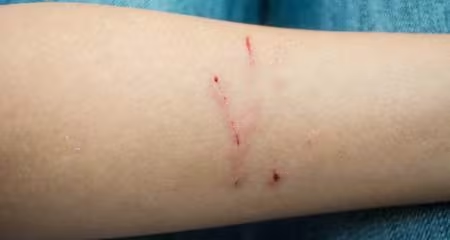
If you're a dog or cat owner, you will most likely get scratches from your pet every now and then. Read on to learn how to deal with them at home.
Updated on June 19th, 2026
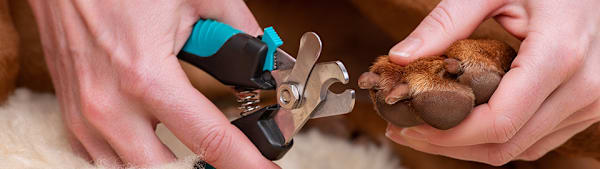
Learn more about dog nail trimming and paw caring for your pet to help them look good and feel great.
Updated on June 19th, 2026
Is your dog having trouble with hot spots or dermatitis? Learn how to identify, treat & prevent adverse skin conditions to keep your pup happy.
Updated on June 19th, 2026

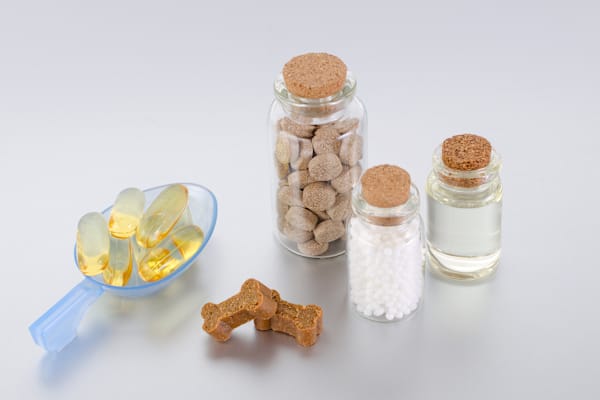
Discover how to choose the best supplements for your pet’s health, from essential vitamins to joint support and digestion aids. Learn age-specific and seasonal supplement tips for cats and dogs.
Updated on June 19th, 2026
Learn more about causes of cat and dogs skin sores as well as some prevention tips to treat your pet’s skin and coat.
Updated on June 19th, 2026
Ouch! In some cases where wounds are on areas that can't be closed by suturing or are constantly being agitated, keeping the wound covered to prevent increasing infection/debris from entering the wound may be needed. I've seen success with using manuka honey for treating large infected wounds and increasing healing, (usually with bandage changes every 12-24 hours) as well as using hydrocolloid bandages that protect the area by acting as a sort of skin barrier, allowing the wound to breathe but continue to heal/allow for new tissue growth underneath without allowing debris into it. There is also progress being made with using fish-skin bandages to create another fake skin barrier and allow healing underneath. If you're not currently, I'd recommend speaking with a veterinary dermatologist who can better instruct you in these procedures and monitor progress over time.
Updated on September 24th, 2025
Usually these wounds are best managed with a "wet to dry" bandage method. This is a process where a sterile, moist dressing (usually using sterile saline) is applied directly against the wound, and then dry bandage material is placed over it, and the dressing is then secured in place often with a tie over bandage. This type of bandage should be changed daily. Once a good bed of what we call "granulation tissue" has developed (as in the second picture), and the skin edges are close enough to close, then the skin edges can be brought together and closed. Depending on the individual and on the size of the wound, this can take anywhere from a couple of days, to a week or more. I hope that is helpful for you, if you have any specific questions about Jack's case, feel free to request a consultation. Thanks for asking Petco Pet Education Center, formerly Petcoach!
Updated on September 24th, 2025
You can use both. A thin layer of iodine ointment will serve to help prevent infection. The Woun’ dres can be applied over it. If Caesar is likely to lick it, I recommend an e-collar. He may chew and eat a bandage if he isn’t wearing an e-collar. Bandages are also tricky because they can trap moisture and can tighten, cutting off circulation to the paw. I would continue applying both three times a day until the nail bed appears completely dry and scabbed over. You can place a toddler sock or a bootie over the paw when you take Caesar outside to pee and poop but I would avoid long walks for the next week. Good luck!
Updated on September 24th, 2025
If he is licking at it, use an Elizabethan collar (cone) or apply a light bandage. use caution when applying bandages though. if you make it too tight, you may cause more harm than good. Restrict Bruno's activity to just short leash walks for elimination. Avoid excessive running, jumping or rough play until he is feeling better.
Updated on September 24th, 2025
First, consider seeking veterinary care since wounds can often be deeper than they appear and can get easily infected. 1. Clip the hair away from the wound using buzzing-type clippers, not scissors or a razor. This is so you can monitor the wound and keep the hair out of the way to help with healing and keeping it clean. 2. Disinfect the wound once with peroxide or a first aid chlorhexidine wound soap. Do not continue to use peroxide, or alcohol, as this will delay healing. 3. Apply an antibacterial ointment, such as Neosporin, twice daily. If needed to clean the wound, use a warm wet wash cloth to gently wipe away and dried fluid. 4. Prevent all licking or scratching of the wound by using an e-collar. Licking will delay healing and spread bacteria into the wound 5. See a vet if Leo experiences prolonged lethargy, decreased appetite, vomiting, diarrhea, or a rectal temperature over 102.5, or if there is creamy discharge or discharge with a foul odor, or there is swelling around the wound.
Updated on September 24th, 2025