Two Easy Ways to Start Earning Rewards!
Become a member today! Members-only pricing and offers, personalized care notifications, Vital Care points back on every purchase and more!
 Become a credit card member today!
Earn 2X Pals Rewards points at Petco
when you use Petco Pay!APPLY NOWLearn More About Petco Pay Benefits
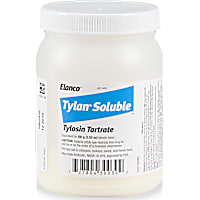
Tylan Cat Antibiotics


Related Searches
Related Articles & Questions
- Health & Wellness
Fleas in Cats: Is Injectable Flea Prevention Right for Your Cat?
Because fleas are so problematic, flea prevention is essential! Commonly prescribed preventives include oral and topical medications—although injectable flea prevention is available, as well.
Updated on June 19th, 2026
- Health & Wellness
Flea Infestation in Dogs & Cats: Symptoms, Treatment & Prevention
Read more about the different types of flea treatments and how they work to help eliminate fleas from your pet for their safety and happiness.
Updated on June 19th, 2026
- New Pet
Protect Your Pet: Flea & Tick Control Solutions for Dogs & Cats
Learn how to remove flea and ticks. Petco has flea and tick removal services for dogs and cats. Get fleas and ticks removed at your neighborhood Petco.
Updated on July 28th, 2026
- Health & Wellness
Cat Food Allergies: Symptoms, Causes, Diagnosis, and Treatment
Explore more about identifying and managing food and skin allergies in cats to help ease itching and other symptoms in your feline friend.
Updated on July 17th, 2026
- Care Sheets
Your Cat's Best Life: Feeding, Health, Behavior & Home Guide
Learn how to care for your cat, recommended diet and grooming care. Find the right food, supplies and equipment at your neighborhood Petco.
Updated on April 9th, 2026
- Food & Nutrition
How long can my cat stay on Tylan for IBD? What other meds help?
Hi and thank you for your post on Petco Pet Education Center, formerly Petcoach this afternoon! Tylan powder can be used in cats with IBD, but is not a long term solution for this problem. Tylosin can come in tablet, liquid suspension, or capsule form. IBD symptoms will reappear after stopping the Tylan administration. Prednisolone can help symptoms as well as another antibiotic called Metronidazole, but again, these drugs are not for long term usage. Changing the diet to a novel protein source that is highly digestible can really help IBD patients. Sometimes there is a concurrent food allergy causing the symptoms so it is worth exploring with your veterinarian if a food trial or food allergy screening test is worth doing. High fiber diets can also help as well. Most diets that can help with IBD are prescription diets that are available through your veterinarian. I hope this helps and thanks again for using Petco Pet Education Center, formerly Petcoach!
Updated on September 24th, 2025
- Health & Wellness
My senior cat has diarrhea from Chlorambucil. What can I give?
Hi, thanks for using Petco Pet Education Center, formerly Petcoach! I would get a probiotic like Purina Fortiflora. If the metronidazole isn't working I would ask for tylan and Hill's i/d to help control the diarrhea. The drug can cause GI upset seen as vomiting and diarrhea. You can discuss trying a lower dose with your Vet when they call you back. Lowering the dose will make it less effective against the lymphoma. I wish you the best!
Updated on September 24th, 2025
- Health & Wellness
Can I give my cat human antibiotics from my medicine cabinet?
My short answer is no. Cats are very small compared to humans and the dosing is completely different. This is not a safe approach. Plus, antibiotics should never be given without a prescription by a veterinarian, as inappropriate use can lead to bacterial resistance, which can cause more serious problems. Thanks for using Petco Pet Education Center, formerly Petcoach.
Updated on September 24th, 2025
- Vet Q & A
Is it safe to give my sick pet human antibiotics like Tetracycline?
Unfortunately, in the forum there is no continuing thread of questions from user, so I may have missed a previous post from you. I would not recommend self treating your pet with antibiotics, as you may accidentally do harm to him. In addition, if it's the wrong antibiotic for his condition, you will be promoting antibiotic resistance. If your pet is sick and needs antibiotics, he will need to see a vet. I can give you some resources to help you afford a vet. You can see if your vet accepts payment plans, if there is a low cost clinic in your area, or you can apply for Care Credit online. There is also an organization called Red Rover that give grants for treatment of sick animals, and you can see if you qualify for one of their grants. Best Friends also has a list of resources that offer financial assistance on their website. http://www.humanesociety.org/animals/resources/tips/trouble_affording_pet.html?credit=web_id91754962 https://www.redrover.org https://www.carecredit.com http://bestfriends.org/resources/financial-aid-pets http://lessonsfromaparalyzeddog.com/when-pet-owners-cant-afford-veterinary-bills/ I would have your pet seen by a vet today.
Updated on September 24th, 2025
- Vet Q & A
My cat has eye discharge and a wound. Is Tarramycin safe to use?
Ideally, he should be physically examined by your veterinarian before any treatment is administered. He may need systemic antibiotics in addition to topical treatment. Pain medication may also be indicated. Legally, we are prohibited from telling you to medicate your pet in the absence of a physical exam and a VPCR (veterinarian-patient-client relationship).
Updated on September 24th, 2025