Two Easy Ways to Start Earning Rewards!
Earn 2X Pals Rewards points at Petco
when you use Petco Pay!
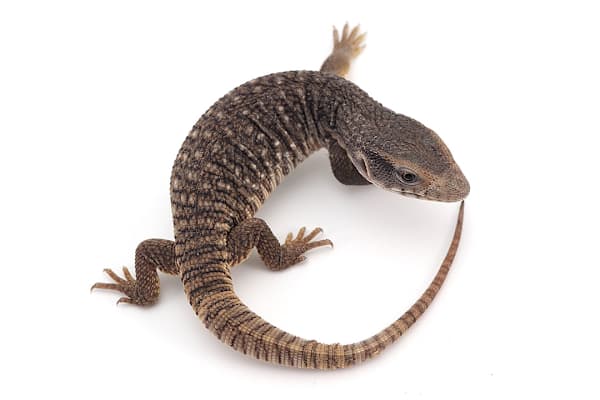
Learn how to care for a monitor lizard, recommended diet and habitat setup. Find the right food, supplies and equipment at your neighborhood Petco.
Updated on April 9th, 2026
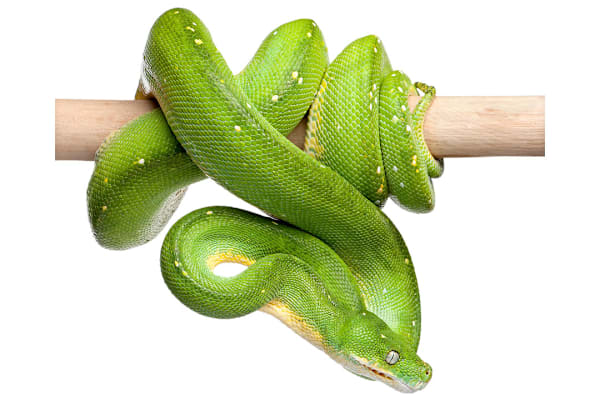
Learn how to care for a Python, recommended diet & habitat setup. Find the right food, supplies & equipment at your neighborhood Petco.
Updated on April 9th, 2026
Explore our tips about what to keep in mind when choosing the right pet reptile for your family. Consider what they need to stay happy and healthy.
Updated on October 23rd, 2025
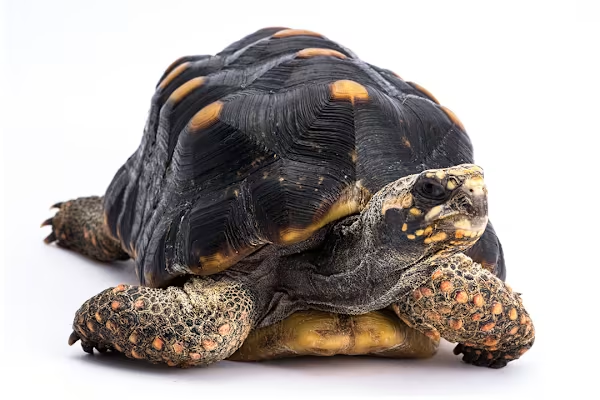
Learn how to care for tropical tortoise, recommended diet & habitat setup. Find the right food, supplies & equipment at your neighborhood Petco.
Updated on April 9th, 2026
Read these guidelines about handling reptiles to provide a safe and fun environment for your pet, friends and family.
Updated on July 17th, 2026
Fluker's or Maxuri pellets/sticks are quality diets. The diet should be varied to maximize nutrition. Offer leafy greens, crickets, small feeder fish, krill/shrimp (either can be freeze dried) or superworms in addition to a commercial pelleted diet.
Updated on September 24th, 2025
Choose a commercial pelleted diet labeled as "all flock" or "flock raiser". This is a complete diet for most chickens. For the hen, you will need to supplement calcium, especially if she is a layer. You can offer her crushed oyster shells freely. Do not use a layer diet for both. The calcium levels would be too high for the rooster leading to potential health issues for him. The website www.backyardchickens.com is an excellent resource for information regarding the husbandry and feeding of domestic chickens.
Updated on September 24th, 2025
I would not feed CTC any hen feed. Rabbits should be on a 90% roughage diet of timothy hay and dark greens. The other 10% can be veggies and pellets. The roughage is very important for proper gastrointestinal function and defecation. Also roughage keeps their teeth from needing trimmed often
Updated on September 24th, 2025
Thanks for reaching out about Sanic and including photos. Several of the nationally renowned herpetological societies (Chicago, Arizona), have good online information on husbandry and diet. As medical advise, an initial visit with a veterinarian for a physical examination and fecal testing (at least) is recommended. Annual visits are also recommended as follow ups. Husbandry and nutrition are key starting points for long term health, just like in people. A well rounded diet with multiple components, is more likely to avoid vitamin and mineral deficiencies and excesses. As with any animal, exercise is important. Good luck.
Updated on September 24th, 2025
Hi, this is a great question! I’m glad to hear you’re feeding Geoffrey Timothy hay and cuttle bone. That’s a great start. You can also offer dandelion greens, mustard greens, collards, romaine, herbs, carrot tops, beet greens, etc. For more care information, you can visit www.anapsid.org and check under “chelonian.” I hope that helps!
Updated on September 24th, 2025