Two Easy Ways to Start Earning Rewards!
Earn 2X Pals Rewards points at Petco
when you use Petco Pay!
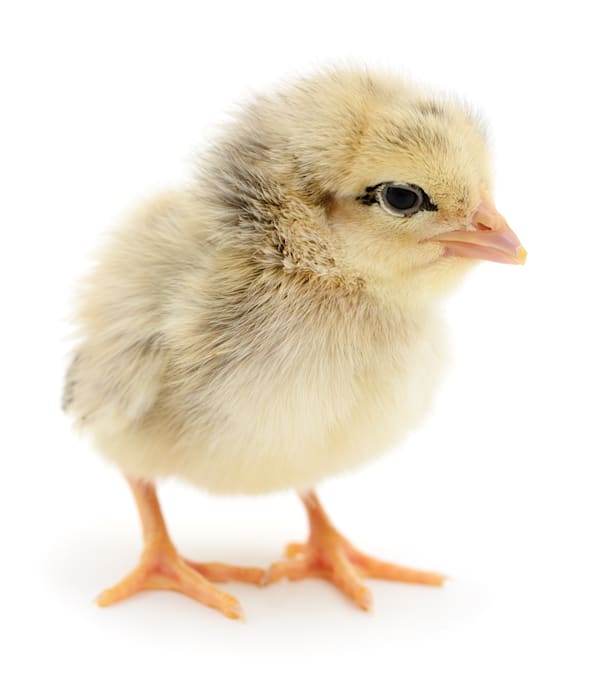
Learn how to take care of a Chick, recommended diet and habitat setup. Find the right food, supplies and equipment at your neighborhood Petco.
Updated on April 9th, 2026
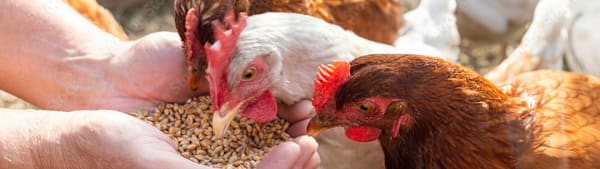
Do you have questions about what to feed your chicken(s)? Petco has the answers! Visit us to learn about chicken dietary needs.
Updated on June 19th, 2026
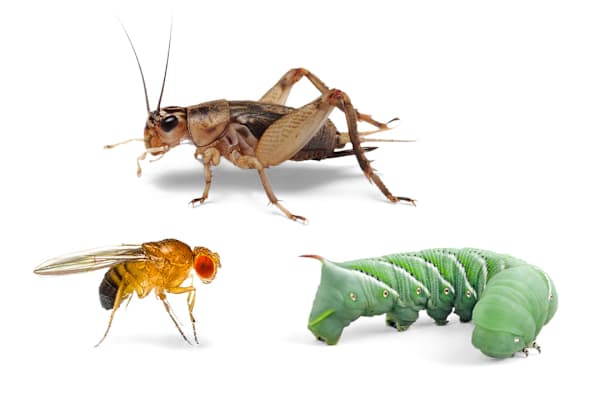
Learn about live insects for reptile feeding, recommended diet & habitat setup. Find the right food, supplies & equipment at your neighborhood Petco.
Updated on April 9th, 2026
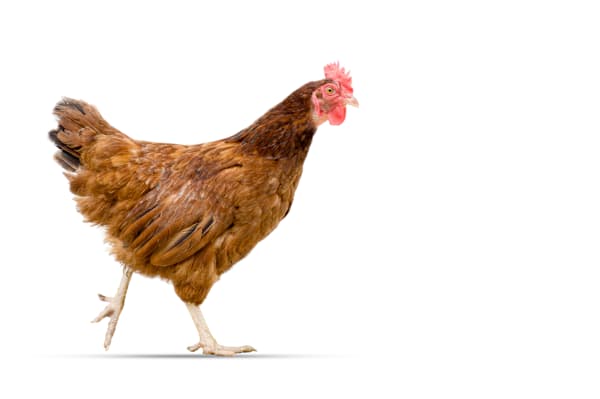
Read more about keeping chickens. If you’re considering them as pets, they can be relatively easy and inexpensive to maintain.
Updated on June 19th, 2026
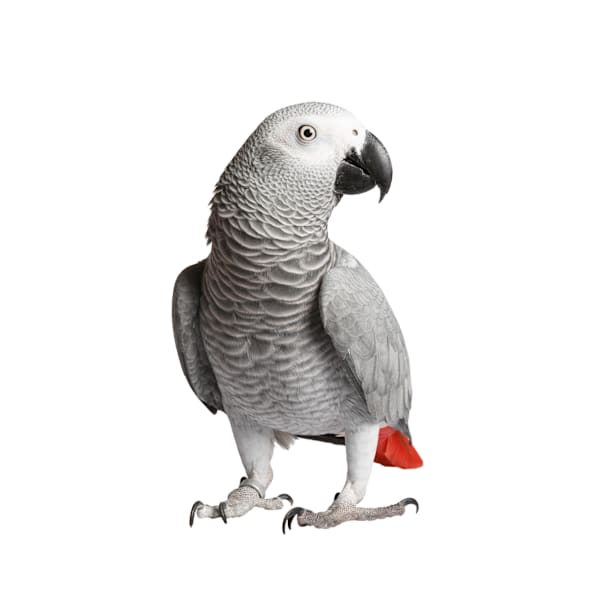
Learn how to take care of large Hookbill, recommended diet and housing setup. Find the right food, supplies and equipment at your neighborhood Petco.
Updated on April 9th, 2026
They can eat chicken feed, cracked corn, oats, groats, greens, oyster shells (crushed), mealworms, nightcrawlers, crickets, berries and carrots just to list a few items. This is by no means an all inclusive list. You can find more acceptable foods at www.backyardchickens.com.
Updated on September 24th, 2025
You can offer feeder fish, crickets, mealworms and waxworms. Gut load insect prey to maximize nutritional value. This can be done by feeding them a high protein baby cereal, tropical fish flakes, fresh fruits and vegetables for 24 hours prior to offering them to Lucy.
Updated on September 24th, 2025
Choose a commercial pelleted diet labeled as "all flock" or "flock raiser". This is a complete diet for most chickens. For the hen, you will need to supplement calcium, especially if she is a layer. You can offer her crushed oyster shells freely. Do not use a layer diet for both. The calcium levels would be too high for the rooster leading to potential health issues for him. The website www.backyardchickens.com is an excellent resource for information regarding the husbandry and feeding of domestic chickens.
Updated on September 24th, 2025
Hi and thank you for your question, It does sound like a respiratory infection, possibly viral. I would involve an avian/poultry vet to have some samples tested. If you have more chicken please keep those separated. If it is viral it will not respond to antibiotics, but some recover on their own. Regards
Updated on September 24th, 2025
If you are concerned about your birds getting cold you should keep them in a wind-proof enclosed shelter and provide them additional heat with a heat lamp. The feed you described is appropriate provided they are in cold weather. You should not feed corn if the temperature is above 90 degrees Fahrenheit or 32 degrees celsius.
Updated on September 24th, 2025