Two Easy Ways to Start Earning Rewards!
Become a member today! Members-only pricing and offers, personalized care notifications, Vital Care points back on every purchase and more!
 Become a credit card member today!
Earn 2X Pals Rewards points at Petco
when you use Petco Pay!APPLY NOWLearn More About Petco Pay Benefits
TetraBetta Fish Food
Get It Today


Related Articles & Questions
- Care Sheets
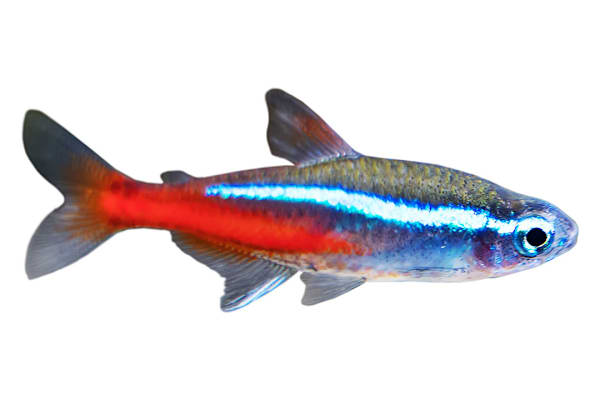
Complete Tetra Care: Tank Setup, Food, & Compatibility Tips
Learn how to care for a Tetra, recommended diet & habitat setup. Find the right food, supplies & equipment at your neighborhood Petco.
Updated on April 9th, 2026
- Care Sheets
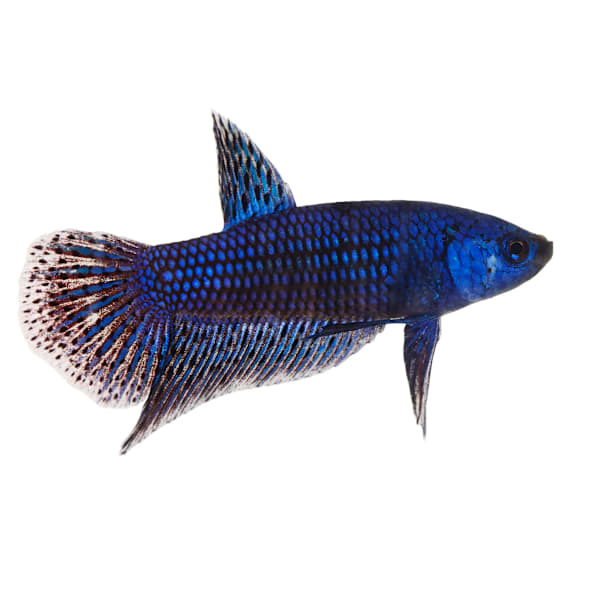
How to Care for Betta Fish: Tank Setup, Feeding, & Compatibility
Learn how to care for a betta fish, recommended diet and habitat setup. Find the right food, supplies and equipment at your neighborhood Petco.
Updated on October 23rd, 2025
- New Pet
Betta Fish Maintenance: Complete Care Guide
If you’re thinking of adding a betta fish to your family, learn a few fun facts about these underwater wonders.
Updated on July 17th, 2026
- Food & Nutrition
What Do Small Fish Eat? Freshwater Feeding Guide
Feeding your freshwater fish isn't as simple as adding a pinch of flakes! Read these three tips to learn more about how to provide your pets the nutrition and environment they need.
Updated on July 17th, 2026
- Care Sheets
Beginner's Guide: Freshwater Livebearer Tank Setup, Food & Happy Fish
Learn how to care for freshwater livebearers, recommended diet & aquarium setup. Find the right food, supplies & equipment at your neighborhood Petco.
Updated on April 9th, 2026
- Vet Q & A
First fish tank: What Tetras and supplies for my 12-inch tank?
Before you buy any fish, you will need to set up the tank. A basic set up includes: a tank, filter, hood/light, heater, gravel and some decor. The tank should run without fish for at least 4 to 6 weeks. This gives it time to cycle. The Nitrogen Cycle is critical to the health of the tank and any fish you will be keeping. During this time, beneficial bacterial will populate the filter and substrate (gravel). These bacteria will be responsible for breaking down fish wastes and other wastes (uneaten food, dead plants, etc.). You will need a home test kit to monitor water chemistry (ammonia, nitrites, nitrates, pH) or you will have to submit water samples for testing. Most pet stores will do this for free or for a small fee. At first, you will see high levels of ammonia and nitrites. Over time, as bacteria grow, these levels will drop. When ammonia and nitrites are at 0 ppm and nitrates are below 20 ppm, you can consider adding fish. Regular (every 1 or 2 weeks) partial water changes as well as filter changes will be needed to maintain stable water chemistry and adequate water quality. The size of your tank will determine what fish and how many you will be able to keep. Most Tetras do best in groups, so a 12 inch tank may not be large enough. There are several article in the Petco Pet Education Center, formerly Petcoach Library that will provide more detailed information. Click on "Educational Center" at the top of the page, then scroll down to "Articles" and click. Use the Search Bar to find articles regarding aquarium set up and fish keeping.
Updated on September 24th, 2025
- Food & Nutrition
How to care for a baby betta fish: tank, water changes, food, heat?
Mushu is very cute! Betta care is very easy. Ideally, a 5 gallon tank should be used to house your Betta. A smaller tank can be used, but the maintenance (water changes) will be much more frequent. A filter is always recommended otherwise water changes will be required every few days to maintain water quality. With a filter, 20% water changes can be done weekly or every two weeks. Use only aged or conditioned water that is temperature matched to prevent stress or shock. Choices for conditioners include AmQuel Plus, NovAqua, StressCoat, Prime or StressZyme. A small submersible heater is necessary since Bettas are tropical fish. They do best in slow moving water between 78F and 80F. You can feed a pelleted diet such as Hikari Micro Pellets until he grows bigger. Baby brine shrimp, daphnia, bloodworms and blackworms can also be fed. Feed one or twice daily. He should only need 2-3 pellets at each feeding. The conditioners and food can be found in the aquarium section of the local Petco. Please request a consultation to discuss care in greater depth or post another question in the Forum if necessary.
Updated on September 24th, 2025
- Food & Nutrition
My Betta fish spits out food. Should I feed it bloodworms and garlic?
Thanks for reaching out about Betty. First, try the blood worms prior to soaking in garlic solution, to monitor ingestion. Garlic can be used to treat some parasitic infestations, and not sure if this is a parasitic problem. Calcium deficiencies can lead to oral boney problems, resulting in inability to swallow food. Iodine deficiencies can lead to thyroid enlargement, also making swallowing difficult. Try the different food first. If swallowing difficulty is monitored, a veterinary visit is recommended for a diagnosis and treatment. Good luck.
Updated on September 24th, 2025
- Food & Nutrition
How often and how many pellets should I feed my new baby betta fish?
Bettas are carnivores and need food high in protein. There are many foods available for your betta that can be bought at your local fish store or cultivated at home. Here’s a quick list to get you started. Remember that like people, a variety of foods allows your fish to get a balanced diet. *Frozen or live bloodworms or bloodworms in gel *Frozen or live brine shrimp or brine shrimp in gel *Frozen or live daphnia *Frozen glass worms *Frozen beef heart (can be purchased at your supermarket or butcher) *Frozen tubifex worms (live tubifex often carry parasites or bacteria and is better avoided) *Frozen mysis shrimp *Live white worms *Live grindal worms *Live flightless or wingless fruit flies *Live black worms. Frozen foods should not be confused with freeze-dried. Freeze-dried foods may cause digestion problems leading to more serious medical issues when fed in excess. If possible, try to avoid feeding dried pellets, flake or freeze-dried food. Some foods are marketed as “For Bettas” but could cause digestion problems due to indigestible fillers and low moisture content. You will usually find these in packages near where bettas are sold. These pellet foods absorb water and expand in the fish’s stomach 2x or 3x their original size. Some bettas react badly to them, often suffering from constipation, bloating or even swim-bladder disorders. If you’re unable to feed your betta anything but dried food, you should soak the pellets in a glass of tank water for about 10 minutes before feeding them to your fish. This will give the pellet a chance to expand to its full size before your fish ingests it. One of the most common mistakes people make with their betta is either overfeeding or underfeeding their fish. A betta should be fed every day or nearly every day. It takes a betta about 2 weeks to starve to death so if your fish doesn’t eat for a few days due to illness or adjusting to a new home, don’t panic. A good rule of thumb at feeding time is this… A betta’s stomach is about as big as his eyeball and should not be fed more that amount at a time. This translates to about 3 bloodworms or brine shrimp per feeding. If you feed pellets, this equals about 2-3 soaked pellets per feeding. A betta can be fed this amount once or twice a day. Hope this helps. Best wishes.
Updated on September 24th, 2025
- Training & Behavior
Betta fish eating flakes: Is food coming from gills normal?
Taylor, thank you for using Petco Pet Education Center, formerly Petcoach! We can certainly answer your question. I have good news for you. This is normal and no cause for concern. It is similar having crumbs go all over when you eat chips or a crispy cookie. You can try feeding less flakes or switching to a pelleted diet.
Updated on September 24th, 2025