Two Easy Ways to Start Earning Rewards!
Earn 2X Pals Rewards points at Petco
when you use Petco Pay!
Get It Today
Learn how to setup your reptiles terrarium to ensure your reptile lives a wholesome & happy life. Shop at your local Petco for all reptile terrarium needs.
Updated on July 17th, 2026
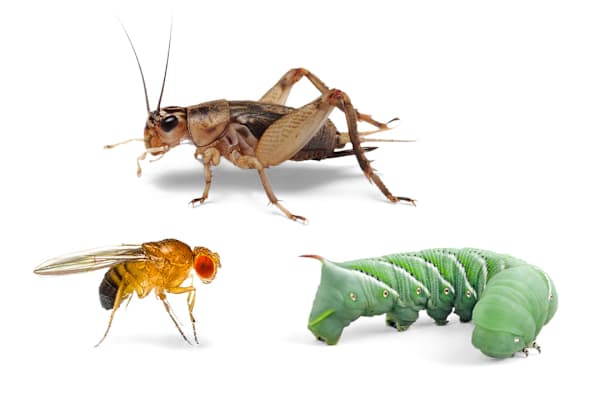
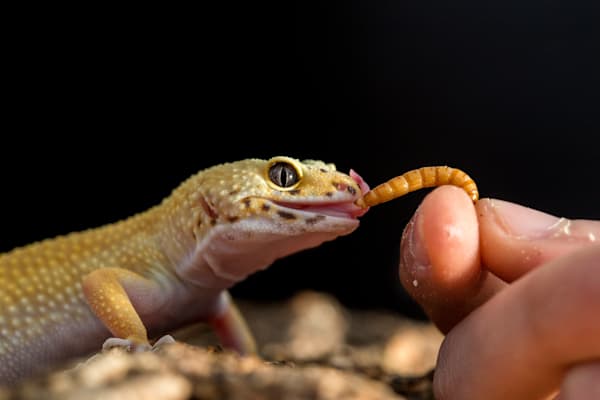
Learn about live insects for reptile feeding, recommended diet & habitat setup. Find the right food, supplies & equipment at your neighborhood Petco.
Updated on April 9th, 2026
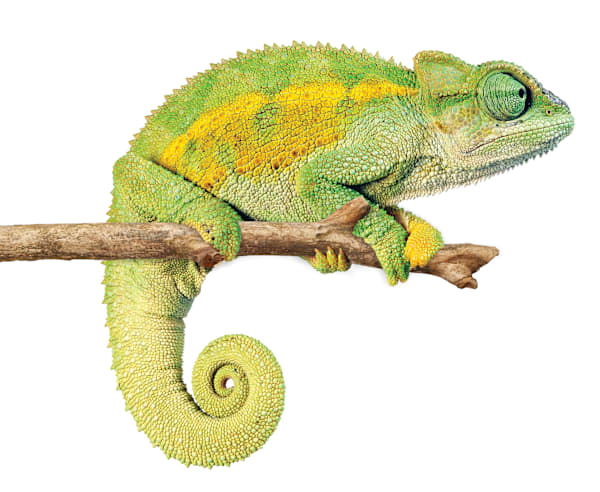
Learn how to care for cool climate Chameleons, recommended diet & habitat setup. Find the right food, supplies & equipment at your neighborhood Petco.
Updated on April 9th, 2026
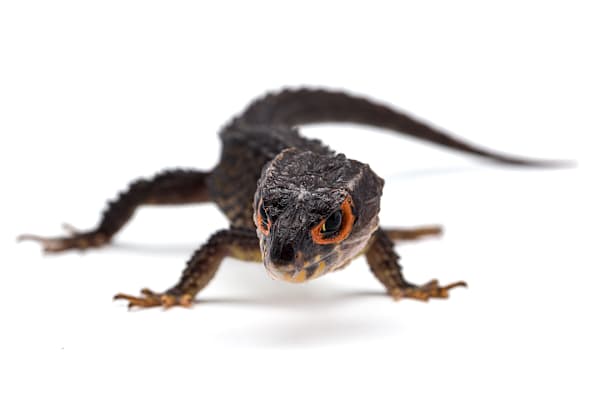
Learn how to care for Red-Eyed Crocodile Skink, recommended diet & aquarium setup. Find the right food, supplies & equipment at your neighborhood Petco.
Updated on April 9th, 2026
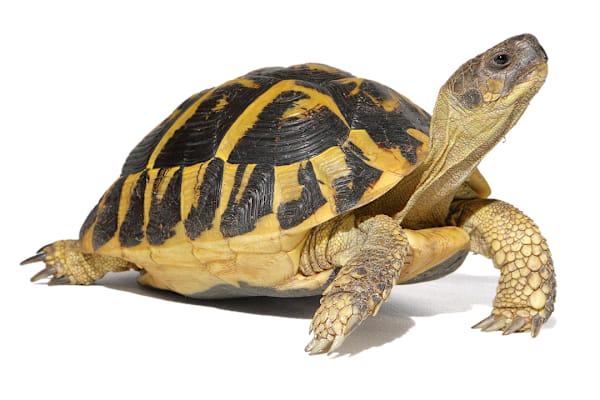
Learn how to take care of your Hermann's Tortoise, tank size, diet & habitat setup. Find the right food, supplies and equipment at your neighborhood Petco.
Updated on April 9th, 2026
Monitor for any aggression. You may need to separate them, especially if the enclosure is too small. You can use a diluted betadine or chlorhexidine (Hibiclens) solution daily to gently cleanse the affected area. Monitor for lethargy, decreased appetite, redness, swelling or discharge. See your veterinarian or a vet experienced in treating reptiles if the wound doesn't heal or if any of the above mentioned symptoms develop.
Updated on September 24th, 2025
Leopard geckos can generally co-exist with one another as long as they are male-female pairs or two/more females. They usually do not become territorial while they are young. That being said it is important to make sure they have enough space to escape each other and have more than one hiding area. .If you see bullying, you may need to separate them.
Updated on September 24th, 2025
A heat lamp isn't necessary unless the room where the cage is located is cold. Cresties do just fine at room temperature. A UVB light source isn't necessary either as long as you feed a diet containing adequate levels of Vitamon D3. That said, either won't harm him and it is a matter of personal preference. Be sure to monitor cage temps to make sure they don't go too high. There was no image attached to this question. Age can be difficult to determine if you don't have a hatch date. The reason being that growth can be dramatically affected by diet and environment. Contact the PetSmart where he was purchased. They should have records from the source/breeder which should include a hatch date or age.
Updated on September 24th, 2025
Use a background to block his view. This may prevent glass surfing or nose rubbing as well as provide more privacy/security. Again, check the temps in his enclosure to make sure it is species appropriate. Offer a variety of crickets, mealworms, dubia roaches, silkworms and wax worms. Gut load prey for 24 hours prior to offering. Dust appropriately with vitamins and minerals regularly. He may also benefit from a soak in a warm 50/50 solution of water and unflavored PediaLyte. If his appetite does not return after adjustments to environment and diet, have him examined by your veterinarian or a vet experienced in treating reptiles. Submit a stool sample to diagnose intestinal parasites or bacterial overgrowth.
Updated on September 24th, 2025
Check out online sources such as LLL Reptile ( www.lllreptile.com ) and DFW Reptarium ( www.dfwreptarium.com ). You can also look up any upcoming reptile shows. A quick search showed ReptiCon ( www.repticon.com ) coming to Grapevine during the summer months.
Updated on September 24th, 2025