Two Easy Ways to Start Earning Rewards!
Become a member today! Members-only pricing and offers, personalized care notifications, Vital Care points back on every purchase and more!
 Become a credit card member today!
Earn 2X Pals Rewards points at Petco
when you use Petco Pay!APPLY NOWLearn More About Petco Pay Benefits
T-Rex Bearded Dragon Shop
Get It Today






Related Articles & Questions
- Home & Habitat
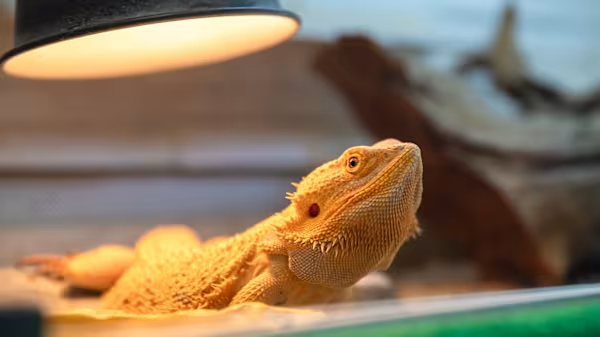
Heating & Lighting for Bearded Dragons: Full Guide
Bearded dragons have specific lighting requirements that emulate their natural warm and dry habitat. Learn about their lighting needs at Petco.
Updated on June 19th, 2026
- New Pet
Is a Reptile Right for You? Essential Questions Before You Buy
Explore our tips about what to keep in mind when choosing the right pet reptile for your family. Consider what they need to stay happy and healthy.
Updated on October 23rd, 2025
- Care Sheets
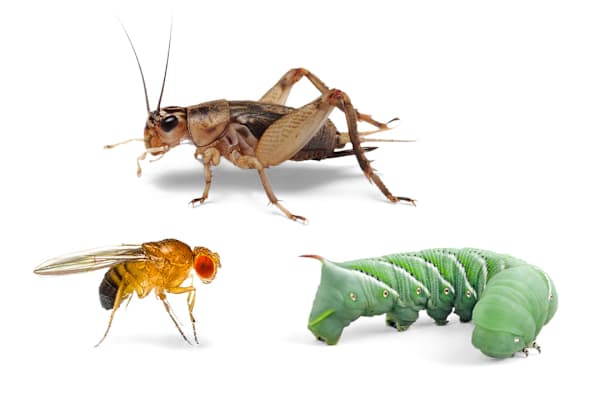
Reptile Feeding: Live Insect Selection & Care for Optimal Health
Learn about live insects for reptile feeding, recommended diet & habitat setup. Find the right food, supplies & equipment at your neighborhood Petco.
Updated on April 9th, 2026
- Care Sheets
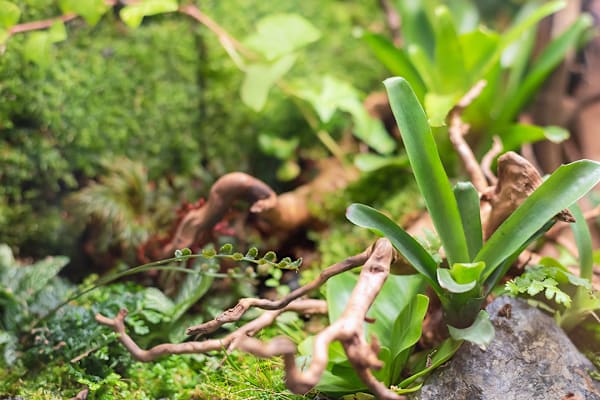
Terrarium Plant Care: Setup, Propagation & Reptile-Safe Plants
Tropical and desert terrarium plants are not only beneficial to terrestrial environments, but they also bring a more natural appearance to your reptile’s habitat.
Updated on October 23rd, 2025
- Health & Wellness
Reptile Metabolic Bone Disease: Understand, Prevent & Treat MBD
Search Petco for information about metabolic bone disease, which is fairly common in many reptiles. Use our tips to help keep your reptile comfortable.
Updated on June 19th, 2026
- Food & Nutrition
Help! My baby bearded dragon won't eat. What should I do now?
Confirm proper temperatures. Low temps can affect activity, appetite and digestion in reptiles. Soak Jax in a warm 50/50 solution of water and unflavored PediaLyte. This will provide heat and may treat or prevent mild dehydration. Be sure prey is appropriately sized, no bigger than the space between the eyes. Look for pinhead crickets or freshly hatched/molted dubia roaches. Gutload them for 24 hours prior to offering to maximize nutritional value. Fluker's Repti-Boost can be used as a supplement. If Jax does not begin eating, have him examined by your veterinarian or an experienced herp vet to diagnose illness or injury.
Updated on September 24th, 2025
- Health & Wellness
My new bearded dragon has a black beard and won't eat. Is it stressed?
The black beard Is indeed an indication of stress or anger. It may be due to his new surroundings or something could be wrong in his environment. You can review care and feeding here: http://www.anapsid.org/bearded.html Confirm proper temps and humidity. Also, provide a hide large enough for him to enter on each side of his enclosure. As long as Boris is at least 16-17 inches long, superworms are fine to feed. Gut load them for 24 hours prior to offering to maximize nutritional value. For variety, you can offer appropriately sized crickets, dubia roaches or phoenix worms. Try offering greens in the morning about an hour or two after the heat lamp comes on. He may be hungrier at this time. Once he eats his greens, you can offer prey. Sometimes, a sprinkle of dried mealworms on the greens will stimulate the appetite. Since he is "new" to you, an exam with your veterinarian or a vet experienced in treating reptiles would be recommended to confirm good health or to diagnose and treat any preexisting conditions.
Updated on September 24th, 2025
- Health & Wellness
Bearded dragon has a face lump. Is it mouth rot? What to do now?
Your suspicions are likely correct for Red - the mass could be related to stomatitis, or mouth rot. This disease often has a husbandry related component, so I would recommend taking a close look at Red's enclosure and its components to ensure that all parameters are perfect. Often temperatures and/or lighting are the culprit - please ensure your UVB bulb has been changed within the last 4-6 months and that it is appropriate for bearded dragons (i.e. it is for desert species). Please also ensure that it is appropriate for the height of Red's enclosure - if it is too close or too far away, Red may experience problems related to it. Temperatures should be measured using digital thermometers located at Red's level, and not elevated in the enclosure. You can find parameters online using a bearded dragon care sheet, such as one found on Reptiles Magazine. Please ensure that Red continues to have an appetite, and that his diet is appropriate. The majority should be made up of a salad of dark leafy greens, with protein supplemented two to three times per week and fruit once per week. Diet can also be involved in cases of stomatitis. It would also be advisable to weigh him every other day to ensure he is not losing weight. This can be done using a digital gram scale (found in the kitchen section of most department stores). If you appreciate a decrease in appetite or weight, I would recommend having Red visit a veterinarian as soon as possible. Until your veterinary visit, I would evaluate the husbandry as outlined above, and make adjustments as needed, and monitor him as outlined above. Your veterinarian will closely evaluate Red and his mouth, and may take a sample of the mass to confirm that it is an infection and not another process. They will also ensure that the jaw is stable, and they may recommend radiographs (x-rays). Treatments may include antibiotics and pain medications, depending on the findings. Please do not give Red any human medications, as they can be harmful for our scaled friends. I hope this gives you a place to start, and good luck!
Updated on September 24th, 2025
- Vet Q & A
My bearded dragon's beard is black. Is she healthy and the right size?
This color change is usually due to stress but could be due to other things as well such as improper temperature, diet, etc. I strongly suggest you review all your husbandry to make sure you are doing everything correctly. Refer to this link. ( https://www.lizards101.com/why-is-my-bearded-dragon-turning-black/ )
Updated on September 24th, 2025
- Vet Q & A
Is my pet store bearded dragon a Rankin's? What's the difference?
It is difficult to say for sure what type of dragon you may have. If this is a baby then it very well could just be a bearded dragon. Rankin dragons are usually smaller when they are fully grown that a bearded dragon. I would buy an enclosure big enough for a bearded dragon to be safe. Also, I would feed and treat it as if it is a bearded dragon. It is going to be less likely that you got a Rankin dragon from a local pet store. From my understanding, you have to seek out a Rankin dragon breeder to be sure you are getting this type of dragon. I hope this helps!
Updated on September 24th, 2025