Two Easy Ways to Start Earning Rewards!
Become a member today! Members-only pricing and offers, personalized care notifications, Vital Care points back on every purchase and more!
 Become a credit card member today!
Earn 2X Pals Rewards points at Petco
when you use Petco Pay!APPLY NOWLearn More About Petco Pay Benefits
T-Rex Reptile Holiday & Christmas Shop
Get It Today


Related Articles & Questions
- Care Sheets
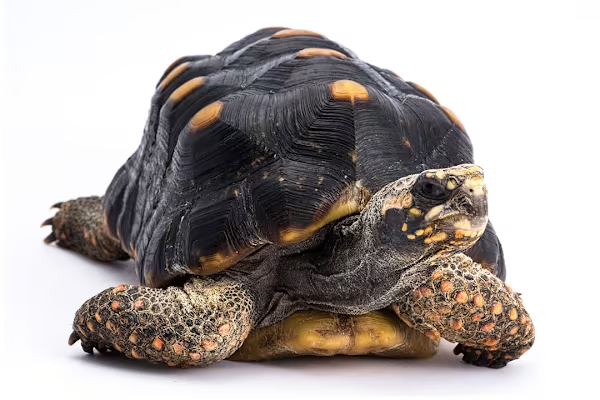
Pet Tortoise Care: Essential Guide to Food, Habitat & Health
Learn how to care for tropical tortoise, recommended diet & habitat setup. Find the right food, supplies & equipment at your neighborhood Petco.
Updated on April 9th, 2026
- Food & Nutrition
What Do Reptiles Eat? Full Feeding Guide by Species
Do you have questions about what to feed a reptile? Petco has the answers! Visit us to learn about reptile dietary needs.
Updated on July 17th, 2026
- Care Sheets
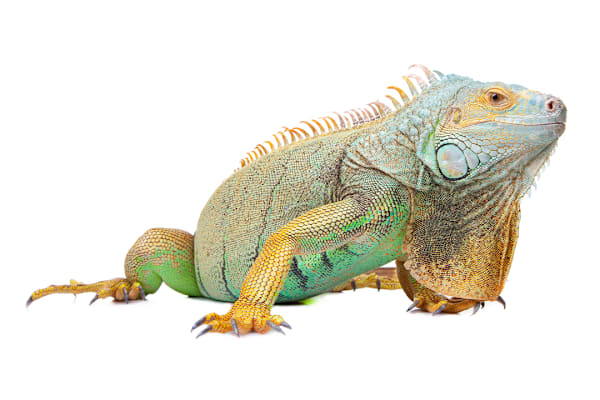
Green Iguana Care: The Ultimate Guide to Food, Habitat & Health
Learn how to take care of your Tropical Iguanas, recommended diet and housing setup. Find the right food, supplies and equipment at your neighborhood Petco.
Updated on April 9th, 2026
- Care Sheets
Cool Climate Chameleon Care: Habitat, Food, Health & Setup Secrets
Learn how to care for cool climate Chameleons, recommended diet & habitat setup. Find the right food, supplies & equipment at your neighborhood Petco.
Updated on April 9th, 2026
- Care Sheets
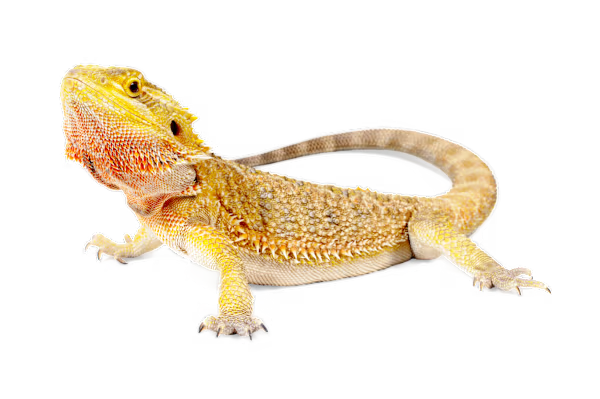
Arid Lizard Care: Expert Tips for Optimal Habitat, Diet & Health
Learn how to care for arid lizards, recommended diet & habitat setup. Find the right food, supplies & equipment at your neighborhood Petco.
Updated on April 9th, 2026
- New Pet
Got pet care questions? Bird bonding, cage size, heating, and litter?
Thanks for reaching out. Sound like you have a full house. 1. Birds will often bond together but continue to work with them in a quiet environ, offering treats to win and re-enforce trust. Toys, the radio or tv, can all assist with boredom. Setting up foraging toys so birds need to spend time looking for food. 2. There is no such thing as too big a cage. 3. Heating rocks are rarely approved for use, as they will eventually become faulty and get too hot, potentially damaging the animal. A heat lamp is recommended. 4. The bunny's litter box should be spot cleaned daily and full clean weekly. If you can smell it you waited too long. Good luck.
Updated on September 24th, 2025
- Health & Wellness
My bearded dragon is inactive, not shedding, and rarely poops. What's wrong?
Thanks for your question about Tarzan. The lack of activity that you are describing may be normal for Tarzan, but when you then combine it with her not shedding and not going to the bathroom very often I begin to suspect that there is something else going on. I would recommend feeding Tarzan a small salad of dark leafy greens on a daily basis, with calcium supplementation 2-3 times per week based on her age. I would also recommend protein 2 times per week based on her age as well. You eluded to having recommended temperatures in the cage, but I didn't see how you were monitoring the temperatures or if there was UVB light provided. I would recommend monitoring using a digital thermometer and changing the UVB light every 4-6 months. I am glad that she seemed to be doing okay at her vet visit in the fall. I didn't see if blood work was performed, but that is something that I recommend for every reptile at regular intervals for wellness examinations, as reptiles are very good at hiding their illnesses from their owners. I would also consider performing radiographs (x-rays) if these haven't been performed previously, as well as a fecal examination. I hope that gives you a place to start, and that Tarzan feels better soon.
Updated on September 24th, 2025
- Vet Q & A
My baby sulcata tortoise has a runny nose. Should I use Reptaid?
It may provide an immune system boost and could stimulate the appetite which is important in a sick pet. Personally, I think the claims it makes as an "antibiotic" may be a bit thin. You can try it for a day or two, but if you don't see an improvement, have Tart examined by your veterinarian for a definitive diagnosis and an appropriate treatment.
Updated on September 24th, 2025
- Training & Behavior
My reptile won't eat and can't see. What should I do for my pet?
If he cannot see, you will have to have him examined by a reptile veterinarian. He may have a serious vitamin or mineral deficiency. He may have to be force fed. Please schedule an appointment with a reptile or exotic animal veterinarian.
Updated on September 24th, 2025
- Health & Wellness
I have a turtle. Is it a Yellow-Bellied Slider? How do I care for it?
The images are a bit blurry. It can be difficult to keep those little guys still! It does look like a YBS. They are not native to the UK and are typically captive bred. They are quite easy to keep. They need warm, clean water, a water heater, a basing spot with an overhead heat lamp, UVB lighting, a balanced diet consisting of animal protein and plant matter, calcium supplementation and multivitamin supplementation. For now, keep water depth no deeper than twice the length of the shell. As it grows, you can increase water depth. Maintain water quality via filtration and regular water changes. Feed a varied diet of prey (appropriately sized feeder fish, earthworms, crickets, etc.) and fresh greens and vegetables. Use a calcium and vitamin supplement and provide UVB lighting. You can review slider care at the link below. It is titled for Red Eared Sliders, however, Yellow Bellied Slider care is the same. http://www.anapsid.org/reslider.html
Updated on September 24th, 2025