Two Easy Ways to Start Earning Rewards!
Become a member today! Members-only pricing and offers, personalized care notifications, Vital Care points back on every purchase and more!
 Become a credit card member today!
Earn 2X Pals Rewards points at Petco
when you use Petco Pay!APPLY NOWLearn More About Petco Pay Benefits
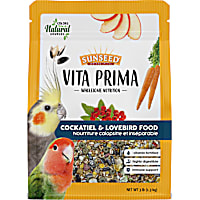
Sun Seed Lovebird Food
Get It Today



Related Articles & Questions
- Care Sheets
Parakeet Care: Your Complete Guide to Budgie Food, Habitat & Health
Learn how to care for parakeets (budgies), recommended diet and habitat setup. Find the right food, supplies and equipment at your neighborhood Petco.
Updated on October 23rd, 2025
- New Pet
Ultimate Parakeet Care: Feeding, Housing, Health & Fun Facts Guide
Parakeets can make great pets. Take a look at these fun facts about these winged companions and wow your friends with your knowledge.
Updated on October 23rd, 2025
- Home & Habitat
Caring for Your Pet Bird During a Power Outage
Learn more about beachcombing tips with your water-friendly dog to understand how to get most out of your dog’s day at the beach.
Updated on July 17th, 2026
- Health & Wellness
Parakeet Breeding: What Pet Parents Should Know
Learn tips about breeding Parakeets in a safe way. Search Petco to keep your feathered friends happy & healthy.
Updated on June 19th, 2026
- New Pet
Bird Cage Cleaning: Daily, Weekly & Monthly Guide
Regular cleaning and disinfection of a bird cage and accessories is one of the keys to keeping a bird healthy. Learn how to clean a bird cage, what to wear.
Updated on July 17th, 2026
- Training & Behavior
How to get my lovebirds to eat fruits and vegetables instead of seeds?
The best thing you can do in this situation is to keep trying! Continued offering of various fruits and veggies will eventually spark the curiosity of your birds, and get them to try it out. If they don't like one fruit or veggie, try again at a later time, or try again with a different item. Making it interesting by hanging it up, adding it to a toy, etc can also spark curiosity and exploration and make them more interested in trying it out.
Updated on September 24th, 2025
- Food & Nutrition
I just got lovebirds. What health care & cage essentials do they need?
Congratulations on your new pets! Lovebirds can live between 10-15 years if properly cared for. You should have several perches of different diameters and materials in their cage, a cuttlebone to keep their beaks trimmed, and some toys that are variable (some destructible toys such as crinkle paper are okay as well). You can also offer some leafy greens and fruits/veggies. I hope this helps and am happy to answer any other questions you may have!
Updated on September 24th, 2025
- Food & Nutrition
My bird refuses fruits/veggies after a sunflower seed diet. Help!
Thanks for reaching out about Akio. You are correct in that sunflower seeds and corn are a terrible diet for birds, the equivalent of drinking cooking oil and eating white bread. No vitamins, minerals, protein and other essential nutrients. Try measuring what you place in the bowl every morning, say 4 tablespoons. The next morning, same time, measure what is left over, say 2 tablespoons. Therefore he is consuming 2 T a day. Offering 1 tablespoon in morning, and one in early evening. In a second bowl, offer human food (vegetables, some fruit, pasta, beans, whatever). Eating your food in front of him, offering by hand or visualize you placing in the food bowl. Give it time. Trust and persistence is the issue. Good luck.
Updated on September 24th, 2025
- Food & Nutrition
My bird's stool has seeds, he's quiet & sleeping low. What's wrong?
If his behavior is unusual or any symptoms (such as changes to the stool and lethargic behavior) are worsening, seeking a vet visit in person is always best to rule out issues such as GI upset, illness, etc. Adding a little grit to the diet may also help better breakdown seeds in his food and allow him to digest/pass them more easily. Sometimes, parasites can look like seeds in the stool, so having a vet take a look and checking for any parasites may also be a good idea. As for fresh fruits and veggies, birds can sometimes be picky about what they eat. The best rule of thumb is to keep offering them until your bird finally gets curious enough to try it. He may find a new favorite!
Updated on September 24th, 2025
- Health & Wellness
Why is one of my parakeets acting weird? What safe treats can I give?
Thanks for reaching out. Are these birds becoming more mature, therefore hierachy changing, or competition over food, perches, territory? The daily diet should consist of some seed but also fresh vegetables (all), a protein source such as cooked beans/tofu, therefore treats can be fruit (dried, fresh). Good luck.
Updated on September 24th, 2025