Two Easy Ways to Start Earning Rewards!
Earn 2X Pals Rewards points at Petco
when you use Petco Pay!
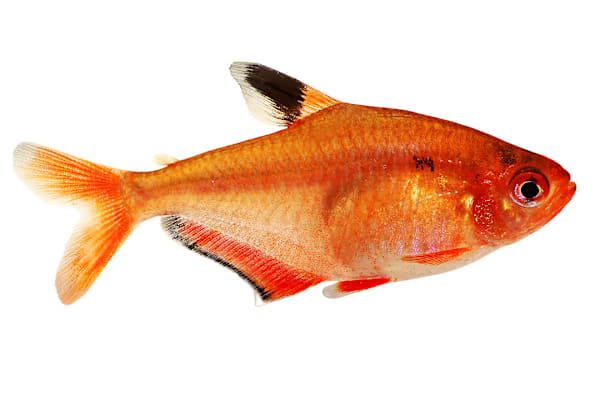
Learn how to care for freshwater community fish, recommended diet & aquarium setup. Find the right food, supplies & equipment at your neighborhood Petco.
Updated on April 9th, 2026
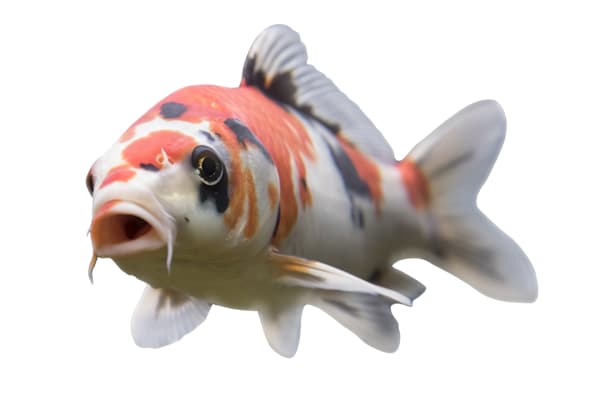
Learn how to care for a Koi, recommended diet and aquarium setup. Find Koi for sale, supplies and equipment at your neighborhood Petco.
Updated on April 9th, 2026
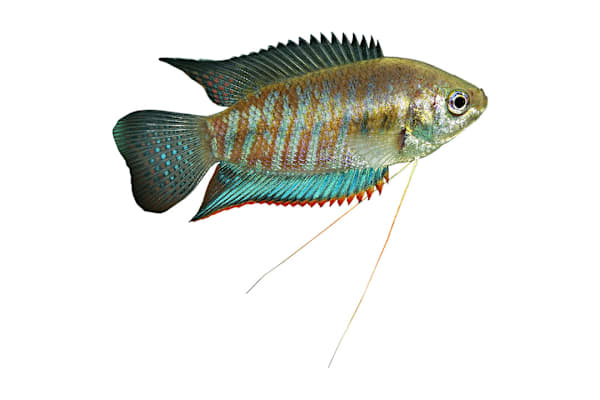
Learn how to care for Paradise fish, recommended diet and aquarium setup. Find the right food, supplies and equipment at your neighborhood Petco.
Updated on April 9th, 2026
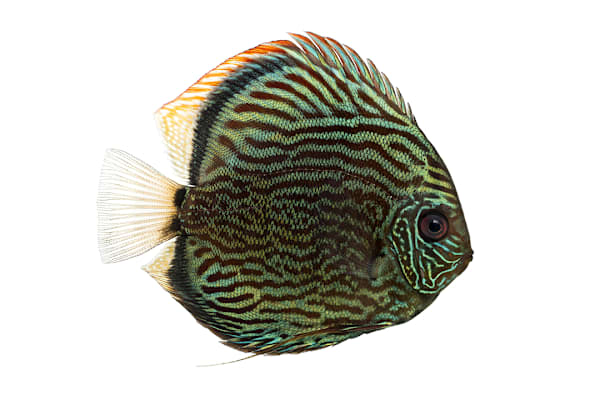
Learn how to care for a Discus, recommended diet and aquarium setup. Find Discus for sale, supplies and equipment at your neighborhood Petco.
Updated on April 9th, 2026
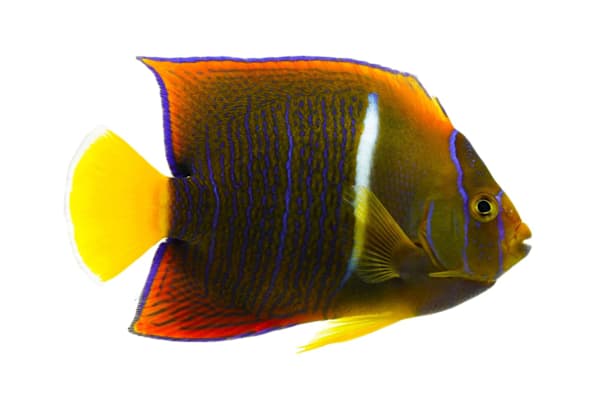
Learn how to care for large marine fish, recommended diet and habitat setup. Find the right food, supplies and equipment at your neighborhood Petco.
Updated on April 9th, 2026
Thanks for reaching out about Corn and including photos. This could be mineral deposits but is difficult to tell in the photos. Mold usually does not grow below the water level as needs oxygen. Clean the filter well. A sample of the material can be acquired and a veterinarian might be able to help by examining under the microscope. Good luck.
Updated on September 24th, 2025
Confirm it is made from a non toxic compound, such as polyethylene. Do not overstock it with fish. Provide adequate filtration and monitor water chemistry regularly. New ponds, just like new tanks, need to be properly cycled before fish are added.
Updated on September 24th, 2025
It sounds like you need to take a trip to your local pet store. The clerks there can help you pick out an appropriately size tank with proper filtration and heating that can help keep Sushi healthy. They can also let you know what water treatments you'll need for the water in your area, as well as test any water you bring it to see if it is OK for Sushi to live in. Pet stores will also carry commercial goldfish food which is a balanced diet that is given to them. It should have feeding instructions on it so you know how much is appropriate to give to Sushi.
Updated on September 24th, 2025
Monitor water chemistry using a home test kit or submit a water sample for testing. The local Petco may do this for free or for a small fee. Aim for an absence (0 ppm) of ammonia and nitrites with nitrates at 20ppm or less. Perform partial water changes to stabilize chemistry and/or to improve water quality. Use only conditioned water that is temperature matched to prevent stress or shock. Pristine water quality is the foundation for healing and recovery from infection or injury in fish. You can use plain aquarium salt (NOT table or Epsom salt) as a general tonic to reduce stress, improve gill function and aid in recovery. Dissolve 1 teaspoon of salt per gallon of water in a cup or two of water and gently pour it into the tank. Treat for 14 days then reassess the condition. An "all in one" product, such as Lifeguard (by Tetra), can be used concurrently to treat infection or parasites. Find one in the aquarium section of the local Petco. Follow label directions carefully and remove the carbon filter insert during treatment if indicated.
Updated on September 24th, 2025
There are several causes that can provoke these signs fro water imbalances to specific diseases like swim bladder ones. This problem requires a quite radical but logic approach. Begin by submitting a water sample for quality testing. Most pet stores will do this for free or a nominal fee. High ammonia levels, PH imbalances may be responsible for that. Oxygen concentration and quality of the filters should be determined as well. If water quality is good and there are no major imbalances, your fish should get examined to look for any sign of bacterial/fungal infection and eventually water should be treated. Please do not hesitate to contact us again on the forum or by requesting a consultation if you have any more questions or to discuss it any further.
Updated on September 24th, 2025