Two Easy Ways to Start Earning Rewards!
Earn 2X Pals Rewards points at Petco
when you use Petco Pay!
Get It Today
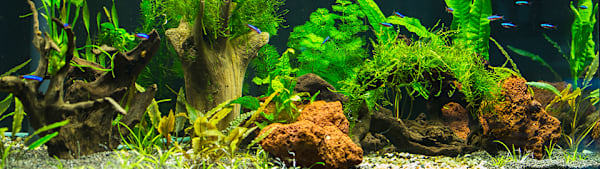
Learn how to test your aquarium water. Poor water quality stresses fish, which leaves them susceptible to disease and possibly death.
Updated on October 23rd, 2025
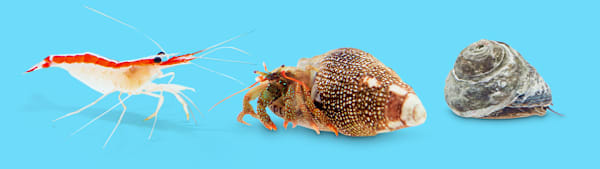
Visit Petco to learn about cleanup crews and how they can help your aquarium health.
Updated on June 19th, 2026
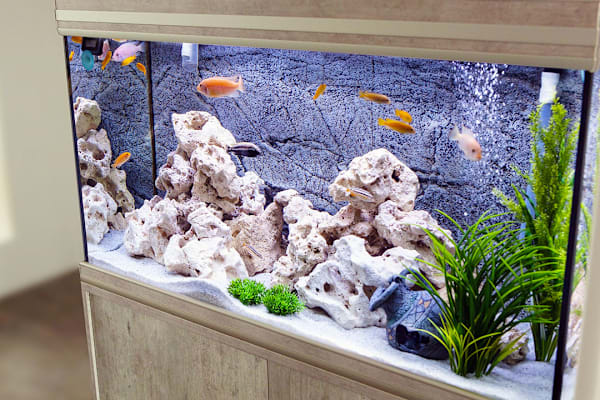
Discover how to hardscape your aquarium here at Petco. Visit Petco and check out aquarium hardscape ideas, solutions and much more for your fish.
Updated on July 17th, 2026
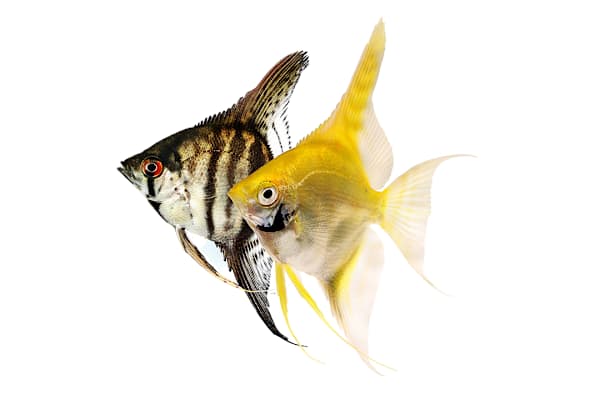
Learn how to care for angelfish, recommended diet and aquarium setup. Find the right food, supplies and equipment at your neighborhood Petco.
Updated on April 9th, 2026
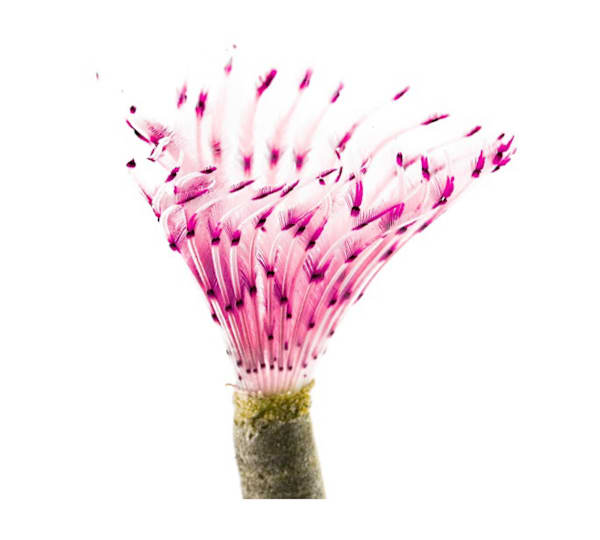
Learn how to care for Feather Dusters. Find the right food, supplies & equipment at your neighborhood Petco.
Updated on April 9th, 2026
Non-iodized salt can be used as an immersion bath (short term) at 10-30 g/L for up to 30 minutes. Keep a close eye on the fish for stress or rapid respiration as some fish can only tolerate the higher dose for minutes. This can be repeated every 2-3 days. It is difficult to determine in the pictures whether this is a parasitic problem or not. Black areas can be the result of melanin pigments, a sign of trauma. A visit to a veterinarian acquainted with fish could perform a skin scrape and examine under the microscope for a diagnosis. Good luck.
Updated on September 24th, 2025
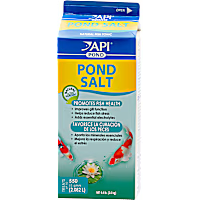
Popeye is a symptom of an underlying disorder in the tank. It can be a result of trauma or infection. Most cases can be managed by maintaining water quality and a broad spectrum antibiotic. Quarantining as you have done is always a good move. Check the tank for any furniture/décor that may cause injury. Check the water chemistry, filtration and temperature next. Any imbalances can predispose a fish to illness. Partial water changes can be done to improve quality and correct imbalances. Use only aged or conditioned water that is temperature matched to prevent further stress or shock. Maracyn Plus or Kanaplex can be found in the aquarium section of the local Petco or fish store. You can use either, in addition to plain aquarium salt (NOT table salt), to treat. Dissolve 1 teaspoon of salt per gallon of water in a cup of tank water and gently pour it into the tank. Treat for 10-14 days with salt then perform partial water changes to decrease salinity. Treat only the amount of water going back into the tank with salt to avoid overdosing.
Updated on September 24th, 2025
Thanks for reaching out about Timothy & Lola. Have you tested the water for pH, ammonia, nitrites and nitrates? Correct any problems. Adding non-iodized salt (aquarium salt) at 1 tablespoon per 10 gallons can reduce osmotic stress but is probably not a treatment for fin rot. If fin/tail erosions progress, antibiotics might be needed, therefore a veterinary visit. Good luck.
Updated on September 24th, 2025
Pimafix is an acceptable "natural" antifungal treatment. Melafix is for bacterial infections. Kanamycin, erythromycin or metronidazole are good broad spectrum antibiotics. Fungus Cure (by API) is an excellent antifungal. You can find these medications in the aquarium section of most pet stores or even online. Follow label directions carefully and remove the carbon filter insert during treatment if indicated. The cornerstone of any treatment is to first maintain pristine water quality and stable chemistry.
Updated on September 24th, 2025
Do not dissolve ibuprofen into the fish tank. Aquarium salt can be used at 1 teaspoon per gallon of water to aid healing an dreduce stress. Maintaining water temp at around 77 F can also aid or speed healing. Antibiotics should be used for suspected bacterial infections.
Updated on September 24th, 2025