Two Easy Ways to Start Earning Rewards!
Become a member today! Members-only pricing and offers, personalized care notifications, Vital Care points back on every purchase and more!
 Become a credit card member today!
Earn 2X Pals Rewards points at Petco
when you use Petco Pay!APPLY NOWLearn More About Petco Pay Benefits
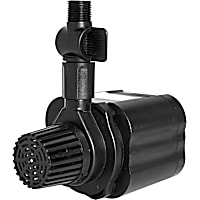
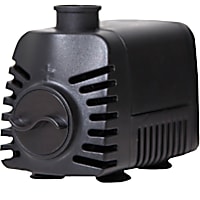
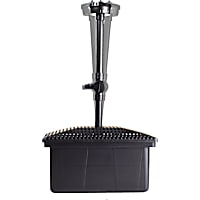
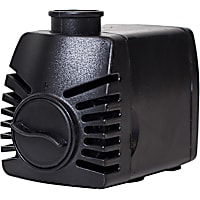
Pond Boss Aquatic Equipment



Related Articles & Questions
- Care Sheets
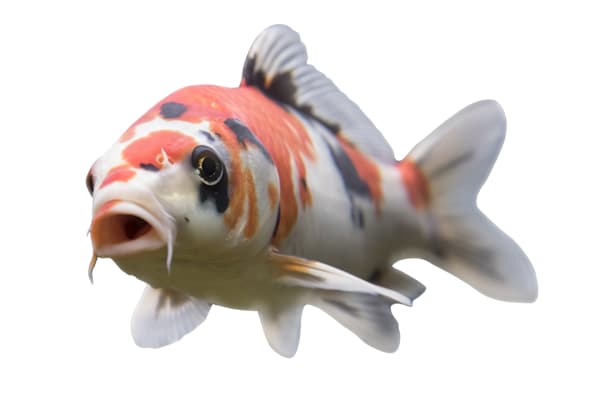
Mastering Koi Care: Optimal Tank, Food, Water Quality & Health Tips
Learn how to care for a Koi, recommended diet and aquarium setup. Find Koi for sale, supplies and equipment at your neighborhood Petco.
Updated on April 9th, 2026
- Home & Habitat
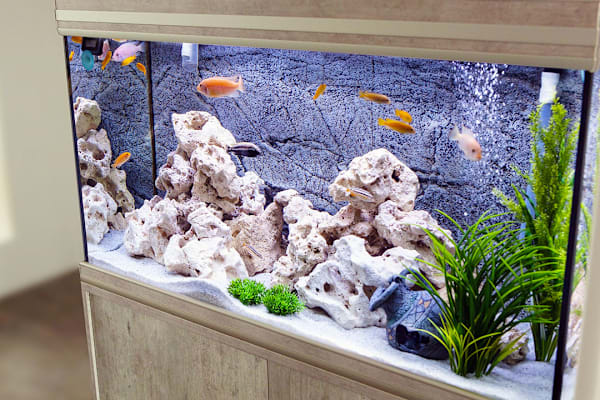
CO2 for Fish Aquariums: What Every Pet Parent Should Know
Wondering why you may need CO2 in your fish aquarium? Learn the basics from a Petco aquatics specialist.
Updated on July 17th, 2026
- Care Sheets
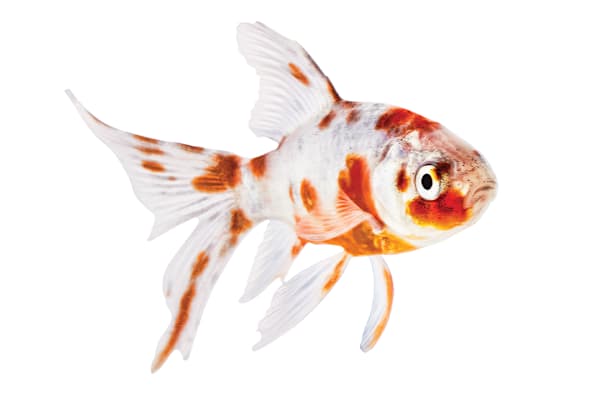
Goldfish Care Guide: Tank Size, Food, Water Quality for Thriving Fish
Learn how to care for Goldfish, recommended diet and aquarium setup. Find the right food, supplies and equipment at your neighborhood Petco.
Updated on April 9th, 2026
- Care Sheets
Aquarium Water Quality: Master Healthy Fish & Crystal Clear Tanks
Learn how to test your aquarium water. Poor water quality stresses fish, which leaves them susceptible to disease and possibly death.
Updated on October 23rd, 2025
- Care Sheets
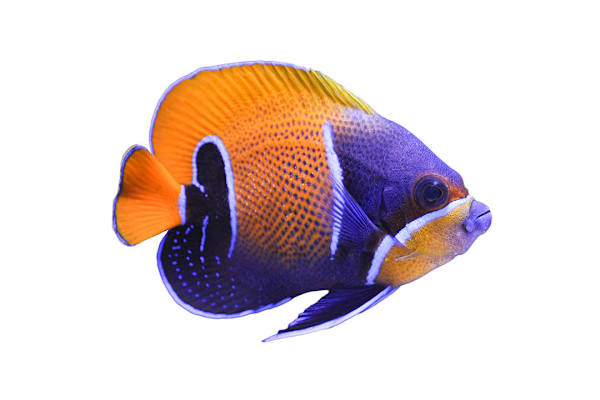
Ultimate Large Marine Angelfish Care Guide: Setup, Diet, Companions
Learn how to take care of Large Marine Angelfish, recommended diet and tank setup. Find the right food, supplies and equipment at your neighborhood Petco.
Updated on April 9th, 2026
- Vet Q & A
How to introduce pond fish to their new pond after quarantine?
The majority of the acclimation guide is intended for introducing animals recently purchased online into a quarantine environment that have been inside a dark box for 24+ hours and the water quality is most likely degraded from waste. Hopefully you followed these steps before introducing your pond animals into their quarantine environment. After the quarantine period the acclimation from this environment should be relatively easy and quick – given the water parameters in the quarantine environment are ideal and similar to your pond. The best way to move the fish would be to put them in a 5 gal. bucket and float the bucket in the pond for at least 30 minutes so the temperature in the bucket can gradually reach the same temperature as the pond. Make sure you do this in a shady spot of the pond or during a time period when the bucket will not be in the sun. In order to keep the bucket from tipping it may take some creativity but it may be as simple as using a wooden pole laid across the pond centered through the bucket handle to achieve this. Make sure to add a small air-stone to the bucket to agitate the surface so the oxygen and pH levels don’t change. From there you can gradually introduce pond water to the bucket and remove the mixed water until you are confident that the majority of the water left in the bucket is water from your pond (should take no more than 20-30 minutes). From there, gently scoop the fish out and place them in the pond and discard the water from the bucket.
Updated on September 24th, 2025
- Vet Q & A
How to safely bring koi indoors for winter? Tank size, feeding, water.
Anything less than a 100 gallon tank would be insufficient for koi of your sizes. They can be fed as you feed outdoors. Filtration would be critical to maintain water quality. A combination of mechanical, biological and chemicals filtration would be required.
Updated on September 24th, 2025
- Health & Wellness
Just got a small fish. What breed is it and how do I care for it?
Thanks for reaching out about you fish. It is believed to be a Comet goldfish. Water quality and nutrition is the key to success. Testing water parameter for pH, ammonia, nitrite and nitrate will give you guidance for a healthy environment. Purchased food should be rotated out every 3 months as vitamin C and other nutrients degrade over time. Trying to maintain water temperature can be challenging with out a heater, but most fresh water fish tolerate some changes. Good luck.
Updated on September 24th, 2025
- Health & Wellness
Why is my fish sick, not eating, gasping, and darting in its tank?
Check water chemistry first. Use a home test kit or submit a water sample for testing. The local Petco may do this for free or for a small fee. Aim for an absence ( 0 ppm) of ammonia and nitrites with nitrates at 20 ppm or less. Perform partial water changes, no more than 30% at a time, to stabilize chemistry and/or to improve water quality. Use only conditioned water that is temperature matched to prevent stress or shock. Check water temp as well. Any of these can drive a fish to the surface. The "flashing" (darting about) can be due to infection (bacterial, fungal or parasites). Consider a broad spectrum antibiotic or an "all in one" product to treat multiple infections. Look in the Aquarium section of the local Petco for options. Follow label directions carefully and remove the carbon filter insert during treatment if indicated.
Updated on September 24th, 2025
- Vet Q & A
Is plant fertilizer safe for fish? What do I need for a planted tank?
When used as instructed, plant nutrients and fertilizers designed specifically for aquarium plants will not harm aquarium fish. Allow new aquarium plants to settle and establish themselves before adding any fertilizers. Use aquarium plant substrates such as CaribSea Eco-Complete Plant Substrate http://www.drsfostersmith.com/product/prod_display.cfm?pcatid=9087 to get your plants established faster. Seachem Flourish Advance Natural Phytohormone Supplement http://www.drsfostersmith.com/product/prod_display.cfm?pcatid=33890 will help stimulate root growth vital for overall plants health. Even though you have plants with low to moderate light requirements, be sure to use aquarium light specifically designed for planted aquarium use (sometimes called plant lights) and have the lights on between 10 and 12 hours a day. You may need to adjust the photoperiod (the amount of time the light is on) depending on how your plants are doing and to prevent unwanted nuisance algae growth.
Updated on September 24th, 2025