Two Easy Ways to Start Earning Rewards!
Earn 2X Pals Rewards points at Petco
when you use Petco Pay!
Get It Today
Learn how to care for large marine fish, recommended diet and habitat setup. Find the right food, supplies and equipment at your neighborhood Petco.
Updated on April 9th, 2026
Learn how to safely handle your aquatic life to avoid toxin & bacterial exposure. Find aquatic life care supplies at your neighborhood Petco pet care center.
Updated on October 23rd, 2025
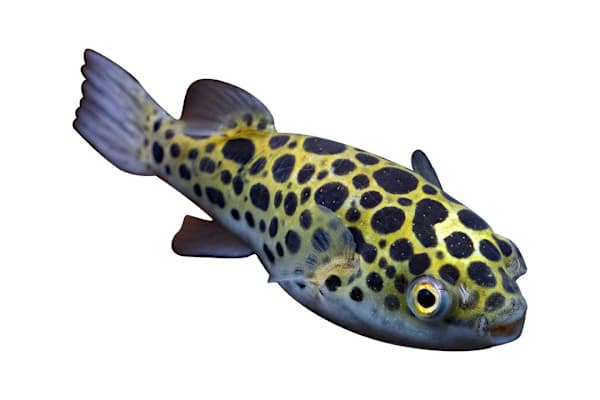
Learn how to care for brackish water fish, recommended diet & aquarium setup. Find the right food, supplies & equipment at your neighborhood Petco.
Updated on April 9th, 2026
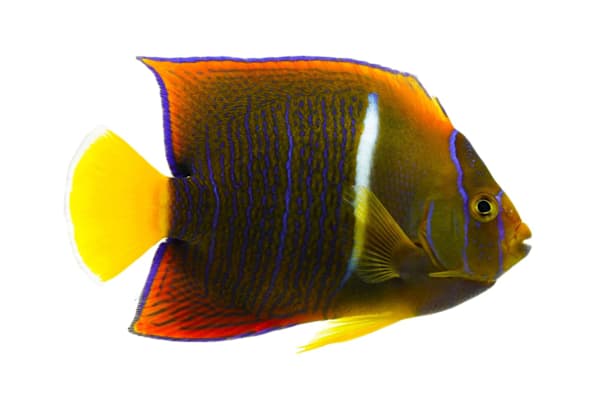
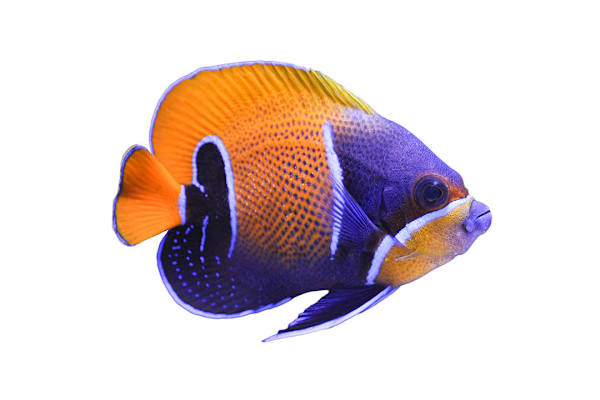
Learn how to take care of Large Marine Angelfish, recommended diet and tank setup. Find the right food, supplies and equipment at your neighborhood Petco.
Updated on April 9th, 2026
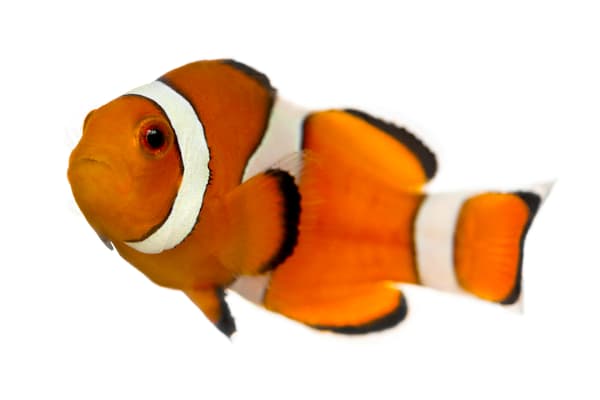
Learn how to care for a Clownfish, recommended diet and aquarium setup. Find Clownfish for sale, supplies and equipment at your neighborhood Petco.
Updated on April 9th, 2026
Depending on the number of fish you get, water quality will be the most important factor in maintaining their health. You'll need quite a large filter for a tank that size. Ideally, choose one that is rated to handle at least twice volume of water in the tank. Mechanical, chemical and biological filtration are all recommended as well as the inclusion of an ultraviolet filter. Silver perch are hardy and can tolerate a wide range of water parameters but thrive at temps between 23 C and 28 C. You may need a heater or heaters capable of maintaining that range. They will spawn anywhere between October and April depending on the age of the fish. Mature fish will spawn early, between October and February, while younger fish will spawn late winter into early Spring. They are an omnivorous species but do well on a commercial pelleted fish chow. One suggestion would be to contact local owners of fish ponds, pond builders and large scale breeders to get more detailed information and to see operations and set up in person.
Updated on September 24th, 2025
These are quite concerning but generic signs. The approach must be logic but quite radical at the same time. Begin by submitting a water sample for quality testing. Most pet stores will do this for free or a nominal fee. Clinical examination should always include a water quality check, even if you have done so already. Water testing should be performed with a quality test kit, measuring NH4, NO2 and NO3. High ammonia levels, PH imbalances may be responsible for these signs. Oxygen concentration and quality of the filters should be determined as well. If water quality is good and there are no major imbalances, your fish should get examined to look for any sign of bacterial/fungal infection and eventually water should be treated. Hope this answer was helpful, but please do not hesitate to contact us again on the forum or by requesting a consultation if you have any more questions or to discuss it any further.
Updated on September 24th, 2025
If he is the smaller or smallest fish, he may be getting harassed by the others. A 20 gallon is not ideal for that many fish. Confirm stable chemistry, especially ammonia and nitrites. High nitrates aren't as worrisome unless there are large swings in nitrate levels. Check the water temp as well. Low temps can affect activity and appetite. If possible, move the Pike Cichlid to a different tank or move everybody to a larger tank. A 55 gallon would be the minimum since some of your fish will grow quite large. Those Plecos can reach 24 inches in the right tank. Eventually, you will need a much larger tank.
Updated on September 24th, 2025
Food, genetics and stress can all affect colors. There are color enhancing diets that you can buy. Maintaining pristine water quality and stable chemistry will limit stress. If the fish has muted colors due to genetics, there is nothing to be done. As far as being "shy", this can be due to anything that is stressful or potential illness or injury. This would require and exam to diagnose.
Updated on September 24th, 2025
The fish pictured are incompatible in the same tank. Angelfish (black ones) are tropical fish and do best in temps between 73 F and 84 F. Goldfish (white and orange) are cold water fish thriving in temps between 65 F and 72 F. It also appears as if one of your angels has some damage to a tail fin. This is typically due to fin nipping by other fish. You will need to remove either the angels or the goldfish and place them in a different tank. Check the water chemistry for elevated levels of ammonia or nitrites. This can occur in an uncycled tank or a tank that is overstocked. Partial water changes (30-50%) daily can decrease toxin levels. Use only aged or conditioned water that is temperature matched to prevent stress or shock. Confirm your filter is rated for at least twice the water volume of the tank, especially for the goldfish. The links below provide additional information for care of angels and goldfish. http://aquariumtidings.com/angelfish-care/ http://aquariumtidings.com/all-about-goldfish-how-to-care-for-a-goldfish-fish-at-home/
Updated on September 24th, 2025