Two Easy Ways to Start Earning Rewards!
Become a member today! Members-only pricing and offers, personalized care notifications, Vital Care points back on every purchase and more!
 Become a credit card member today!
Earn 2X Pals Rewards points at Petco
when you use Petco Pay!APPLY NOWLearn More About Petco Pay Benefits
PancrePlus Powder Cat Medicine


Related Searches
Related Articles & Questions
- Health & Wellness
Dog Pancreatitis: Spot Signs, Causes, & Treatment for Your Pet
Do you have questions about pancreatitis in dogs? Petco has answers. Read to learn about dog pancreatitis causes, symptoms and & treatment options.
Updated on June 19th, 2026
- Health & Wellness
Low Potassium in Pets? Spot Symptoms & Boost with Oral Supplements
Does your pet have potassium deficiency? Oral potassium supplements for dogs and cats can help you raise potassium levels. Visit Petco to learn more!
Updated on June 19th, 2026
 Health & Wellness
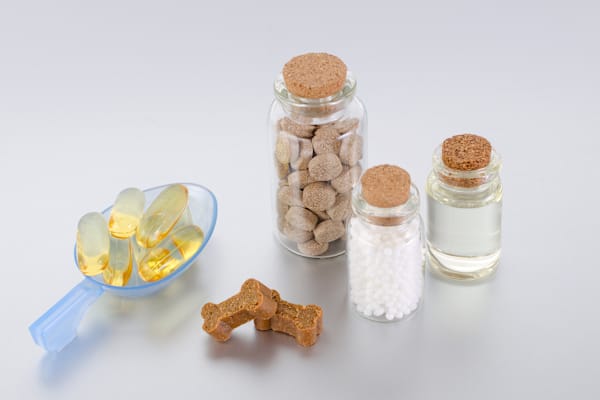
Unlock Optimal Health: Best Pet Supplements for Your Dog & Cat
Discover how to choose the best supplements for your pet’s health, from essential vitamins to joint support and digestion aids. Learn age-specific and seasonal supplement tips for cats and dogs.
Updated on June 19th, 2026
- Food & Nutrition
Does Your Dog or Cat Need a Veterinary Diet?
Vet authorized diets are typically needed only when a pet has specific health issues, but learning about how they're different from "normal" foods can help you be a more well-rounded pet parent.
Updated on June 19th, 2026
- Care Sheets
Your Cat's Best Life: Feeding, Health, Behavior & Home Guide
Learn how to care for your cat, recommended diet and grooming care. Find the right food, supplies and equipment at your neighborhood Petco.
Updated on April 9th, 2026
- Vet Q & A
My cat has pancreatitis. Can digestive enzymes help with weight loss?
Hi, thanks for using Petco Pet Education Center, formerly Petcoach! I am sorry that Angel has been so sick! Usually the need for pancreatic enzyme supplementation is based on blood work. Usually the TLI (a pancreatic enzyme) is low. Pancreatic enzyme are used to treat exocrine pancreatic insufficiency. Which can result from chronic pancreatitis as can Diabetes. Use in dogs and cats is considered off label, so you would have to discuss the use in Angel with a Vet that has examined her. Cats reportedly hate the taste but may accept the powder if mixed with fish/tuna oil and then thoroughly mixed with a canned food. If using solid dosage forms (enteric-coated tablets or compounded capsules made from powder or crushed tablets) be certain that immediately after dosing, water or food is consumed to reduce the risk for esophageal damage. You may also want to consider a probiotic, like Purina Fortiflora. I hope this helps and I wish you and Angel the best!
Updated on September 24th, 2025
- Vet Q & A
What can I give my cat for pancreatitis if he won't take pills?
Hi, thanks for using Petco Pet Education Center, formerly Petcoach! Poor Buddy! The medication is likely cerenia, which is an anti-nausea medication. Unfortunately there are pills or liquid formulations of medication. Cerenia and pepcid come in injectable form. The Vet can give the first dose and maybe get the pepcid and cerenia compounded in to a liquid form. If you think you can squirt liquid medications in him then I would ask to get that form. Or consider hospitalizing for injectables. I hope this helps and i wish Buddy a speedy recovery!
Updated on September 24th, 2025
- Medications
My cat has pancreatitis. What can I expect from her prescribed treatment?
I would expect for your vet to either prescribe or offer injectable antibiotics and anti-nausea medicine for a few days in a row. I love to use cerenia as the anti-nausea medicine as it is also a pain reliever. Your vet may choose this or something else and add in a different pain reliever if necessary. A lot of specialists don't believe antibiotics are necessary, but since a small percentage do get an infection in the pancreas, a lot of vets treat with antibiotics to cover their basis. Also you will want to make sure Coquine is staying hydrated. If he is well enough to be treated at home then your vet may want to have you come in daily for a few days to get some subcutaneous (under the skin) fluids to help keep him hydrated. If he simply has just pancreatitis and no other complicating factors then they usually improve quickly and do really well. I hope this helps!
Updated on September 24th, 2025
- Health & Wellness
Why is my old cat with pancreatitis having diarrhea and accidents?
Hi and thanks for posting on Petco Pet Education Center, formerly Petcoach! Diarrhea can be a common occurrence with pancreatitis patients. Metronidazole can help but there are also other medications and supplements that can be of benefit as well. The addition of probiotics are very helpful at reestablishing the good gut bacteria- usually this is given as a powder or capsule you can break open and place on the food daily. A couple great ones are Fortiflora and Proviable. Changing the diet to one that is more easily digestible can help to prevent diarrhea and firm up the stool. Foods I'd recommend would be Hill's I/D or Royal Canin's Low Fat Gastrointestinal diet. A B-vitamin complex is usually essential as this vitamin is typically deficient in patients that have problems with their pancreas. Medications such as Famotidine or Omeprazole which are gastric acid reducers an also help. You may want to ask your veterinarian about the above medications and supplements to see if any of these would be of benefit for Ricky.
Updated on September 24th, 2025
- Health & Wellness
My cat's pancreatitis returned. What's the best long-term care?
Hello and thank you for contacting Petco Pet Education Center, formerly Petcoach. Pancreatitis in cats is often a chronic problem with occasional flare-ups. Treatment usually consist of pain relief and low fat diet. In more severe cases iv fluids, intravenous pain relief and appetite stimulants are necessary. In that respect the treatment Mahji received sounds appropriate. Antibiotics are not necessary in most of cases of pancreatitis but it is a common practice to use them. It is hard to make comments on the problem with oedema. I assume that the oedema was caused by overzealous intravenous fluids therapy and Mahji has fully recovered after a course of diuretic. The key in long-term management of pancreatitis is low fat diet. There are prescription diets for cats with pancreatitis but this type of food can be easily prepared at home (cooked lean meat with some vegetables). Using appetite stimulants should be only short term, however some cats require longer therapy with anti-sickness medications to treat nausea (metoclopramide or maropintant are the most commonly used). I hope that will help and I wish all the best for Mahji
Updated on September 24th, 2025