Two Easy Ways to Start Earning Rewards!
Earn 2X Pals Rewards points at Petco
when you use Petco Pay!
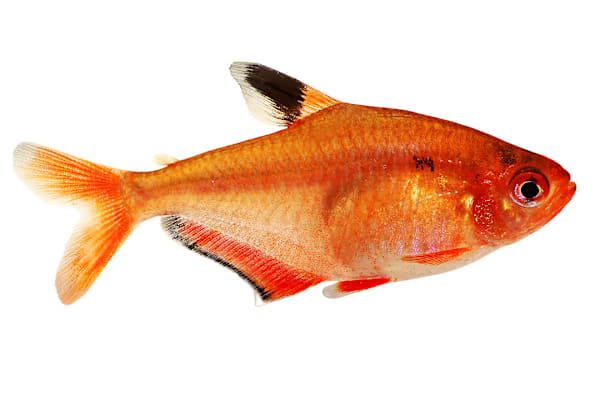
Learn how to care for semi-aggressive fish, recommended diet & aquarium setup. Find the right food, supplies & equipment at your neighborhood Petco.
Updated on April 9th, 2026
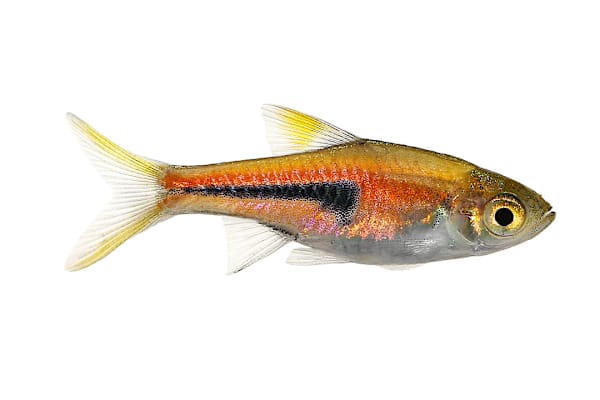
Learn how to care for freshwater community fish, recommended diet & aquarium setup. Find the right food, supplies & equipment at your neighborhood Petco.
Updated on April 9th, 2026
Learn how to safely handle your aquatic life to avoid toxin & bacterial exposure. Find aquatic life care supplies at your neighborhood Petco pet care center.
Updated on October 23rd, 2025
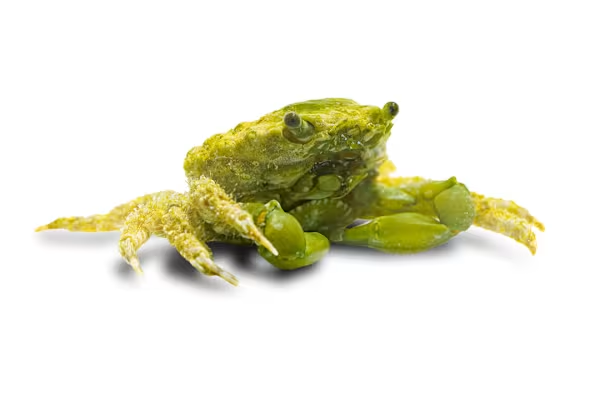
Learn how to care for marine crabs, recommended diet & aquarium setup. Find the right food, supplies & equipment at your neighborhood Petco.
Updated on April 9th, 2026
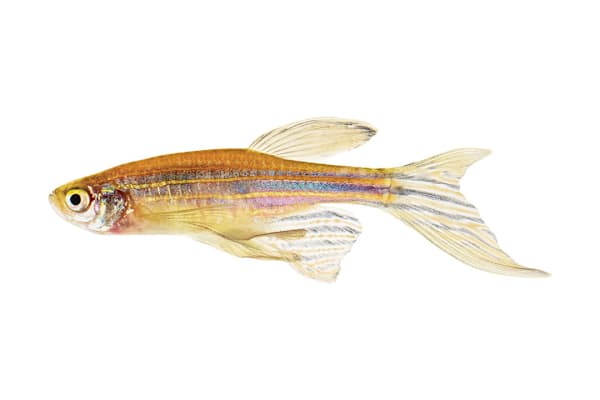
Learn how to take care of Danios, recommended diet and tank setup. Find the right food, supplies and equipment at your neighborhood Petco.
Updated on April 9th, 2026
Most puffers will not eat flakes or pellets. They need live or frozen foods. They also require hard foods to keep their teeth worn down. The local Petco will likely have these foods in stock. If the tank is overstocked, he may be stressed. He may also have an infection (bacterial, fungal or parasites) that are causing his symptoms. Ideally, a new fish should be quarantined for 2-4 weeks before being introduced to the main tank.
Updated on September 24th, 2025
Fish and meat are equivalent. They both provides necessary sources of protein. However I feel that fish is better because it provides a source of omega 3 fattt acids which is great for skin and bladder health.
Updated on September 24th, 2025
Hello. You can definitely feed the fish parts, but make sure they are thoroughly cooked to prevent the transfer of parasites or bacteria to your dogs. After cooking ( whatever method you prefer ), you can feed all parts if they are rather soft. Any sharp bones, scales or body part to tough for you to chew should either be discarded or ground up. High levels of omega fatty acids from fish are always a great supplement to any diet, especially a cancer diet. Thanks for using Petco Pet Education Center, formerly Petcoach.
Updated on September 24th, 2025
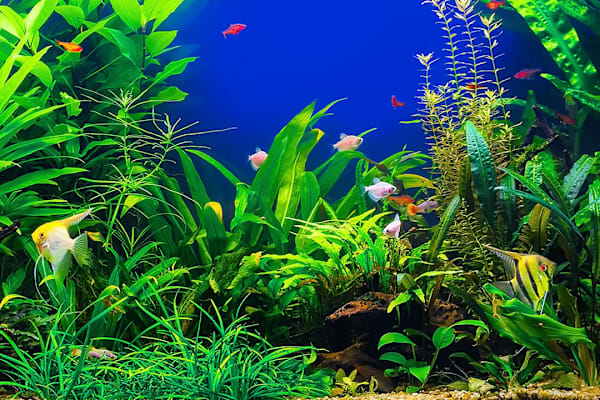
Before you buy any fish, you will need to set up the tank. A basic set up includes: a tank, filter, hood/light, heater, gravel and some decor. The tank should run without fish for at least 4 to 6 weeks. This gives it time to cycle. The Nitrogen Cycle is critical to the health of the tank and any fish you will be keeping. During this time, beneficial bacterial will populate the filter and substrate (gravel). These bacteria will be responsible for breaking down fish wastes and other wastes (uneaten food, dead plants, etc.). You will need a home test kit to monitor water chemistry (ammonia, nitrites, nitrates, pH) or you will have to submit water samples for testing. Most pet stores will do this for free or for a small fee. At first, you will see high levels of ammonia and nitrites. Over time, as bacteria grow, these levels will drop. When ammonia and nitrites are at 0 ppm and nitrates are below 20 ppm, you can consider adding fish. Regular (every 1 or 2 weeks) partial water changes as well as filter changes will be needed to maintain stable water chemistry and adequate water quality. The size of your tank will determine what fish and how many you will be able to keep. Most Tetras do best in groups, so a 12 inch tank may not be large enough. There are several article in the Petco Pet Education Center, formerly Petcoach Library that will provide more detailed information. Click on "Educational Center" at the top of the page, then scroll down to "Articles" and click. Use the Search Bar to find articles regarding aquarium set up and fish keeping.
Updated on September 24th, 2025
It should be fine on its own. Once it gets bigger and you can definitively identify it, you can then decide to add tank mates or not. Continue to feed it the fry food. You can also use finely ground flakes or pellets.
Updated on September 24th, 2025