Two Easy Ways to Start Earning Rewards!
Earn 2X Pals Rewards points at Petco
when you use Petco Pay!
Get It Today
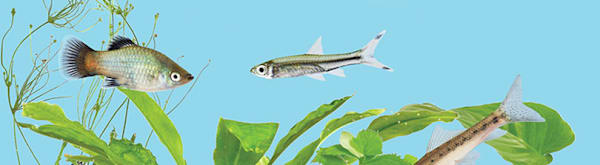
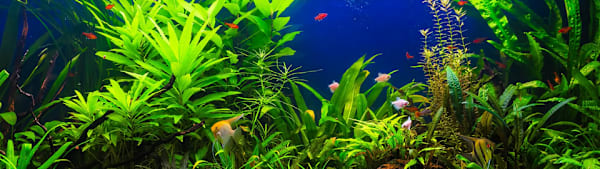
Feeding your freshwater fish isn't as simple as adding a pinch of flakes! Read these three tips to learn more about how to provide your pets the nutrition and environment they need.
Updated on July 17th, 2026
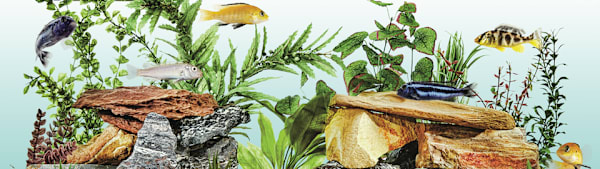
Some fish species generally do well in smaller aquariums, are more adapted to aquarium life, & can be slightly more forgiving with water quality fluctuations.
Updated on June 19th, 2026
Although you may not realize it, aquaculture is something that touches our lives on a regular basis. Read more about what exactly aquaculture is, why it is important.
Updated on October 23rd, 2025
Habitattitiude™ commits to environmental protection by not releasing unwanted fish into public areas.
Updated on October 23rd, 2025
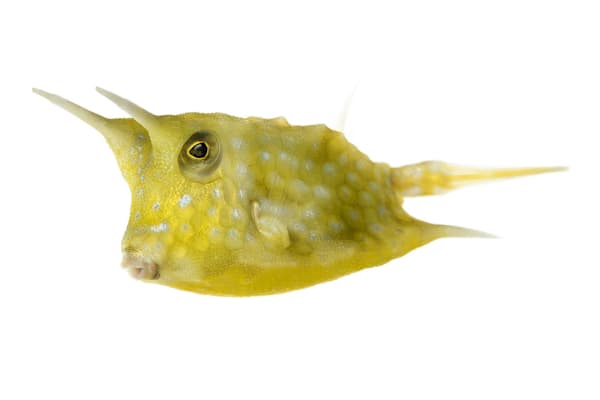
Learn how to care for Boxfish & Cowfish, recommended diet and aquarium setup. Find the right food, supplies and equipment at your neighborhood Petco.
Updated on April 9th, 2026
They may be stressed from the trip, the water may be too cold (low temps can affect appetite in fish) or the water chemistry may be off. Consider a partial water change. Use only conditioned water that is temperature matched to prevent further stress or shock. The fish food is fine. They will likely eat it once conditions are corrected and they settle down.
Updated on September 24th, 2025
There are several causes that can provoke these signs fro water imbalances to specific diseases like swim bladder ones. This problem requires a quite radical but logic approach. Begin by submitting a water sample for quality testing. Most pet stores will do this for free or a nominal fee. High ammonia levels, PH imbalances may be responsible for that. Oxygen concentration and quality of the filters should be determined as well. If water quality is good and there are no major imbalances, your fish should get examined to look for any sign of bacterial/fungal infection and eventually water should be treated. Please do not hesitate to contact us again on the forum or by requesting a consultation if you have any more questions or to discuss it any further.
Updated on September 24th, 2025
If you are feeding flakes, the fish may be swallowing air while feeding. This may account for the signs you are seeing. After a period of time, the fish may expel the air and right themselves. Try feeding a pelleted or stick diet that sinks to prevent gulping air at mealtimes.
Updated on September 24th, 2025
A fish tank will need a filter, a light/hood and a heater. Make sure the filter is rated for at least twice the tank volume. The heater should be adjustable since water temperature will depend on the species of fish. Good "starter" fish include Tetras, Mollies, Danios or Tetras. A new tank should be set up and left running empty for several weeks before adding fish. A pinch of flake food can be sprinkled in daily. This "cycling" will allow a population of beneficial bacteria to colonize the tank and filter. These bacteria will break down wastes (ammonia, nitrites and nitrates) which are toxic to fish.
Updated on September 24th, 2025
If the tank was not properly cycled before she went in, the water qualityu may be affecting her. Check the water parameters first. Temperature should range bewteen 68 F and 78.8 F (20C to 26C). Using a home test kit, ammonia and nitrites should read 0 ppm. Nitrates should be 40 ppm or less. Platys do best in a pH of 7 to 8.3. Adjust parameters as needed and see if it makes a difference in her behavior. Offer a variety of appropriate pelleted and flaked food as well as freeze dried to see if she has a preference. Platys are livebearers with a gestation of around 28 days. She will become noticeably bigger as her date approaches. If she is pregenant and has fry, you will need to separate her or give the fry plenty of cover in the tank. If not, she will eat them. The stress of a new tank and water may also be a factor. Hopefully, with some adjustments and different foods, she will perk up.
Updated on September 24th, 2025