Two Easy Ways to Start Earning Rewards!
Earn 2X Pals Rewards points at Petco
when you use Petco Pay!
Get It Today
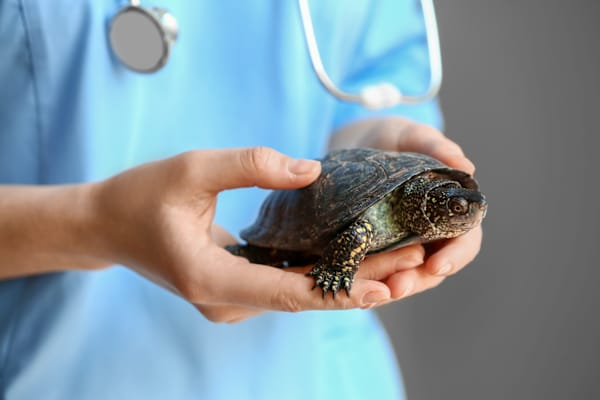
Read these guidelines about handling reptiles to provide a safe and fun environment for your pet, friends and family.
Updated on July 17th, 2026
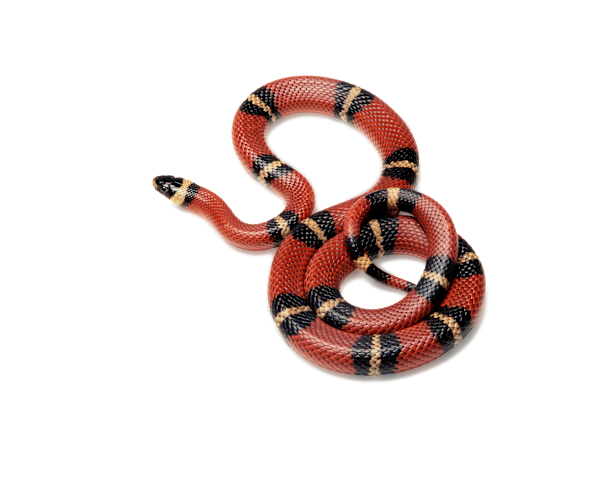
Learn how to care for Colubrids recommended diet and habitat setup. Find the right food, supplies and equipment at your neighborhood Petco.
Updated on May 27th, 2026
Tropical and desert terrarium plants are not only beneficial to terrestrial environments, but they also bring a more natural appearance to your reptile’s habitat.
Updated on October 23rd, 2025
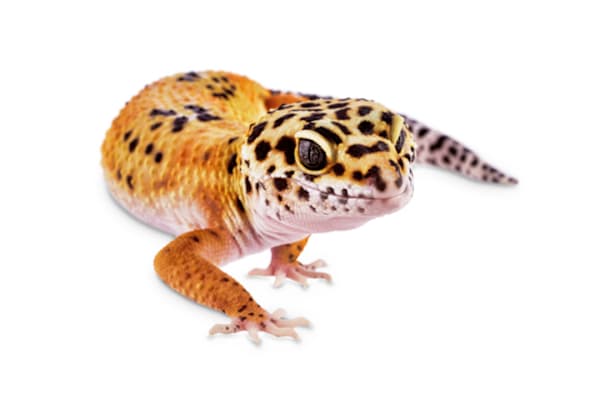
Learn how to care for an Arid Gecko, recommended diet and habitat setup. Find the right food, supplies and equipment at your neighborhood Petco.
Updated on April 9th, 2026
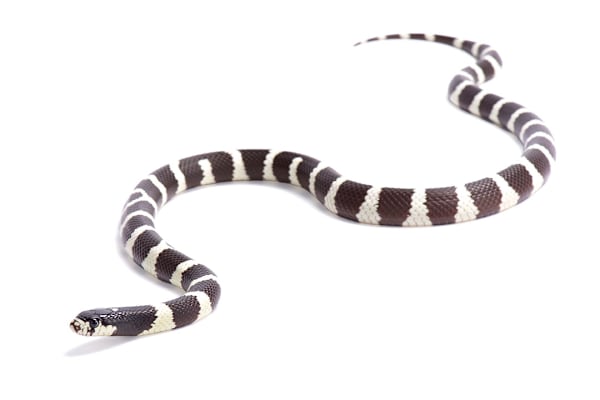
Learn how to take care of King Snakes, recommended diet and habitat. Find the right food, supplies and equipment at your neighborhood Petco.
Updated on April 9th, 2026
I commend you on adopting such a wonderful creature! She may need time to adjust to her new home and enclosure. Make sure it is large enough for her and located away from loud noises, vibrations, direct sunlight or high traffic areas. The commercial pellets are an excellent diet. You should also offer dark, leafy greens, diced vegetables and prey such as crickets or dubia roaches. These can be purchased from your local pet store. Gut load prey for 24 hours prior to offering to maximize nutritional value. Dust with a calcium supplement 3-5 times per week. Use a multivitamin 2-3 times per week. Make sure the temperature in her enclosure is appropriate. Low temps can affect appetite and activity in reptiles. The cage should be in the mid 70s F on the cool side and mid to high 80s F on the warm side. A basking spot of 90-100 F is recommended. She will also need a UVB light source running the length of her cage and about 12-14 inches away. This is vital for calcium, metabolism. You can soak her in a warm 50/50 solution of water and unflavored PediaLyte for 20-30 minutes to warm her up and to rehydrate her. If her appetite does not return, have her rechecked by your veterinarian or a vet experienced in treating reptiles to diagnose illness or injury. Submit a stool sample to diagnose intestinal parasites.
Updated on September 24th, 2025
You need to take him to your veterinarian or a vet experienced in treating reptiles. A cat bite can lead to serious infection which should be treated. Pain medication may also be indicated. There isn't much you can do at home except to maintain hydration and proper environmental parameters. Veterinary care is strongly recommended.
Updated on September 24th, 2025
If he cannot see, you will have to have him examined by a reptile veterinarian. He may have a serious vitamin or mineral deficiency. He may have to be force fed. Please schedule an appointment with a reptile or exotic animal veterinarian.
Updated on September 24th, 2025
Offer appropriately sized prey, no bigger than the space between the eyes. Confirm proper temperature as well. Low temps can affect appetite and digestion in reptiles. Be sure to dust prey at every feeding with a multivitamin and calcium supplements. Gutloading prey for 24 hours will also maximize nutritional value. Do not be concerned if she refuses food for one day.
Updated on September 24th, 2025
Thanks for reaching out about Ruby. Meat such as chicken, is a poor food since it is low in calcium and high in phosphorus. My usually recommendation is 1/3-1/3-1/3, meaning parts vegetables (green, red, yellow, orange), pellets and live fish (goldfish, tetras). The benefit of whole live fish is environmental enrichment (hunting, foraging) and has a skeleton with calcium, muscle and organs rich in other nutrients. Vegetables provide a wide variety of vegetables and the pellets a fairly balanced diet. Water temperature, a basking site with UVB and heat and water quality are also important. Good luck.
Updated on September 24th, 2025