Two Easy Ways to Start Earning Rewards!
Earn 2X Pals Rewards points at Petco
when you use Petco Pay!
Learn how to care for tropical lizards, recommended diet & habitat setup. Find the right food, supplies & equipment at your neighborhood Petco.
Updated on April 9th, 2026
Learn the importance of UVB light for your reptiles and the right reptile lights for your pet’s habitat.
Updated on July 17th, 2026
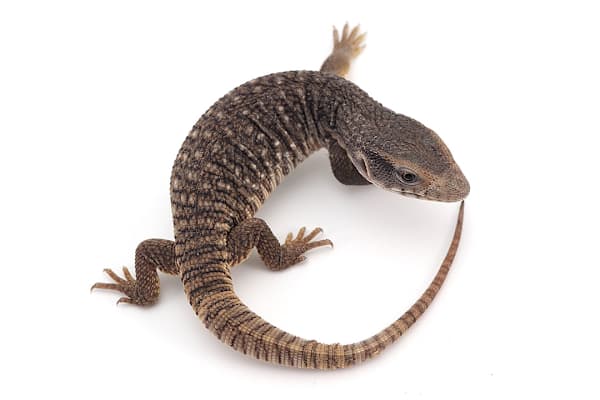
Learn how to care for a monitor lizard, recommended diet and habitat setup. Find the right food, supplies and equipment at your neighborhood Petco.
Updated on April 9th, 2026
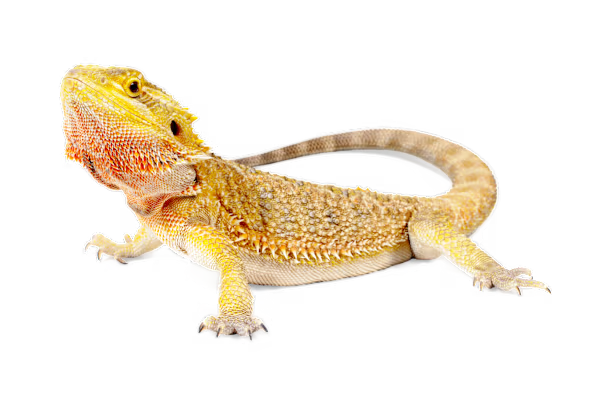
Learn how to care for arid lizards, recommended diet & habitat setup. Find the right food, supplies & equipment at your neighborhood Petco.
Updated on April 9th, 2026
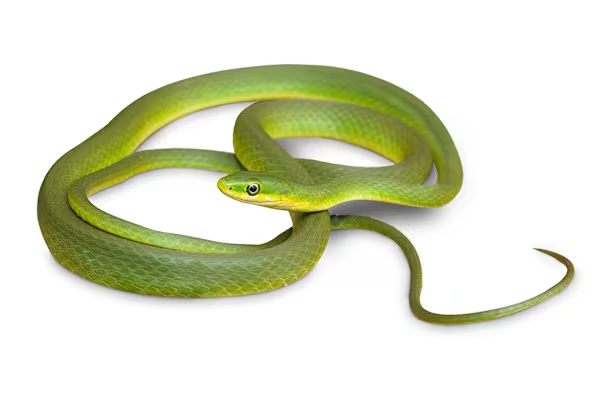
Learn how to take care of Rough Green Snakes, recommended diet and habitat. Find the right food, supplies and equipment at your neighborhood Petco.
Updated on April 9th, 2026
Thanks for reaching out about Ruby. Meat such as chicken, is a poor food since it is low in calcium and high in phosphorus. My usually recommendation is 1/3-1/3-1/3, meaning parts vegetables (green, red, yellow, orange), pellets and live fish (goldfish, tetras). The benefit of whole live fish is environmental enrichment (hunting, foraging) and has a skeleton with calcium, muscle and organs rich in other nutrients. Vegetables provide a wide variety of vegetables and the pellets a fairly balanced diet. Water temperature, a basking site with UVB and heat and water quality are also important. Good luck.
Updated on September 24th, 2025
You can use a piece of fruit temporarily but that may attract fruit flies or other undesirable insects. Water can be provided using a very shallow bowl or a commercial insect gel. Be sure to "gut load" them with healthy foods and supplements for 24 hours prior to feeding Lucky Man. This will maximize nutritional value. Crickets can eat cereals, dry oatmeal, nuts ad seeds. If you feed fruit and vegetables, remove them frequently to prevent rotting.
Updated on September 24th, 2025
Offer a varied diet including pelleted food, fresh greens and prey such as tiny crickets or earthworms. You can get prey from the pet store, do not feed wild caught insects. It may take a day or two for him to acclimate to his new environment. Keep offering fresh food daily. Be sure environmental parameters are appropriate for the species of turtle you have. This includes adequate heat, UVB lighting and water quality. If you know the species, post it in a new question or request a consultation for more detailed care information.
Updated on September 24th, 2025
Offer appropriately sized prey, no bigger than the space between the eyes. Confirm proper temperature as well. Low temps can affect appetite and digestion in reptiles. Be sure to dust prey at every feeding with a multivitamin and calcium supplements. Gutloading prey for 24 hours will also maximize nutritional value. Do not be concerned if she refuses food for one day.
Updated on September 24th, 2025
Soak once or twice weekly in a warm 50/50 solution of water and unflavored PediaLyte. Feed lower protein prey (mealworms, nightcrawlers, crickets). Avoid high protein prey such as locusts, dubia roaches and waxworms. Blood work may need to be monitored to track progression. Further treatment (steroids, phosphate binders, calcium supplements, fluid therapy) will depend on status. The waxy substance may be normal secretions from the pre anal pores. This is used for marking branches and letting other geckos know who is in the area.
Updated on September 24th, 2025