Two Easy Ways to Start Earning Rewards!
Earn 2X Pals Rewards points at Petco
when you use Petco Pay!
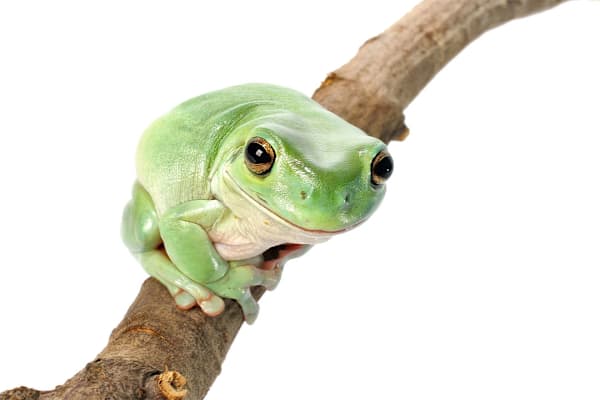
Learn how to take care White's Tree Frogs, recommended diet and tank setup. Find the right food, supplies and equipment at your neighborhood Petco.
Updated on April 9th, 2026
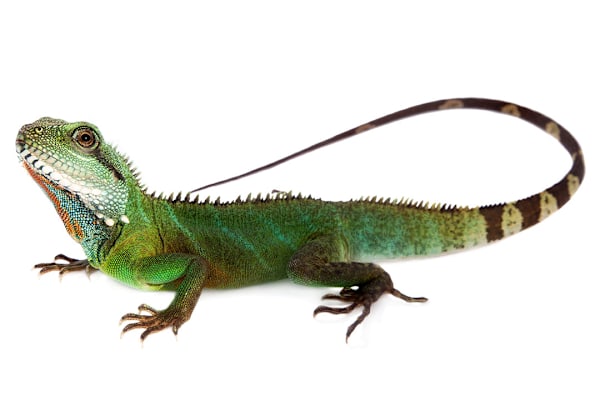
Learn how to care for tropical lizards, recommended diet & habitat setup. Find the right food, supplies & equipment at your neighborhood Petco.
Updated on April 9th, 2026
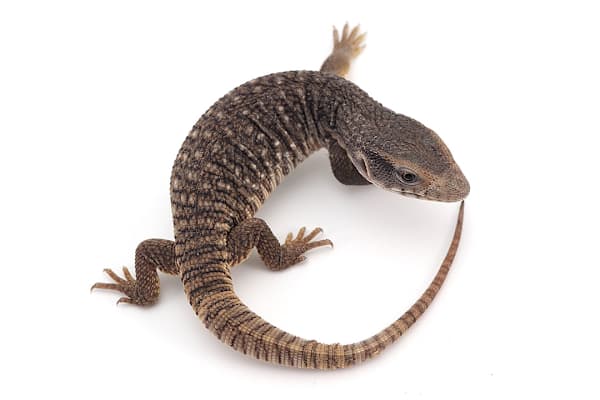
Learn how to care for a monitor lizard, recommended diet and habitat setup. Find the right food, supplies and equipment at your neighborhood Petco.
Updated on April 9th, 2026
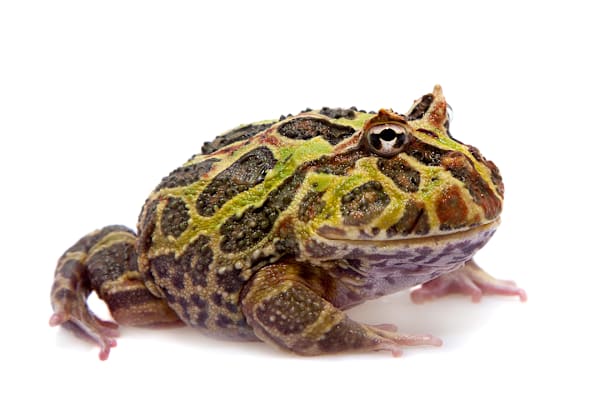
Learn how to take care of Pacman frogs, along with their recommended diet and housing setup. Find the right food, supplies and equipment at your neighborhood Petco.
Updated on October 23rd, 2025
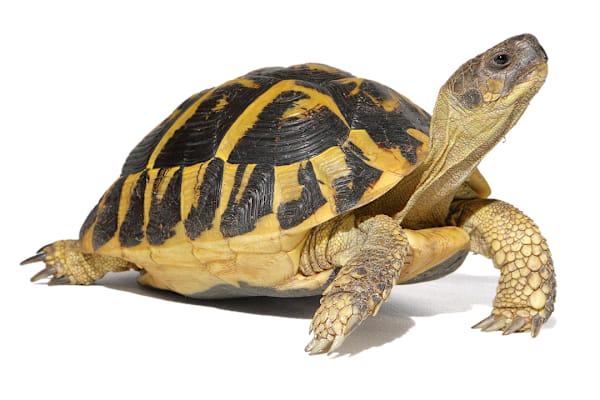
Learn how to take care of your Hermann's Tortoise, tank size, diet & habitat setup. Find the right food, supplies and equipment at your neighborhood Petco.
Updated on April 9th, 2026
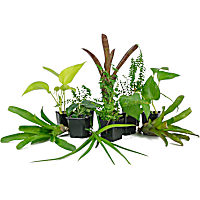
Pothos or philodendron can be used in your vivarium. Be sure to avoid using any potting soil or soil with fertilizer. Artificial plants are also an option since they will survive any "frog stomping".
Updated on September 24th, 2025
What you have appears to be an aquatic/semi-aquatic species of turtle. Basic requirements include a tank of at least 10 gallons initially, a water heater, a water filter, a basking area out of the water, a heat lamp and a UVB light source.
Updated on September 24th, 2025
It looks like a Gray Tree Frog (Hyla versicolor) in the attached images. Care is quite simple for this frog. They are very hardy, tolerating a wide range of temperatures and humidity. IF they hibernate, simply provide a moist substrate (typically a coconut fiber and soil mixture) for them to burrow. If they are active, offer crickets every few days. Mist the tank to maintain humidity and provide a water bowl. Here's a care sheet for you! http://www.reptilesmagazine.com/Frog-Amphibian-Species/Gray-Treefrog/
Updated on September 24th, 2025
Make sure the tank is large enough for him. Confirm proper environmental parameters as well (substrate, cage furniture, humidity, temperature, etc.). If even one parameter is "off" or if his water is dirty, it may cause stress and the desire to escape the enclosure.
Updated on September 24th, 2025
Soak Razor in warm water for 15-20 minutes. Gently rub off any loose shed but do not pull or tear at it. If he is wiggly, you can place him in a small container with paper towels moistened with warm water for 15-20 minutes. The moist heat and humidity should help with the shed. Make sure he can breathe in the container. You can put this moist hide in his enclosure so he has a place to go when he is shedding. Monitor his stool and submit a sample to your vet to diagnose intestinal parasites if you see more "green liquid".
Updated on September 24th, 2025