Two Easy Ways to Start Earning Rewards!
Become a member today! Members-only pricing and offers, personalized care notifications, Vital Care points back on every purchase and more!
 Become a credit card member today!
Earn 2X Pals Rewards points at Petco
when you use Petco Pay!APPLY NOWLearn More About Petco Pay Benefits
Lee's Reptile
Get It Today


Related Articles & Questions
- Care Sheets
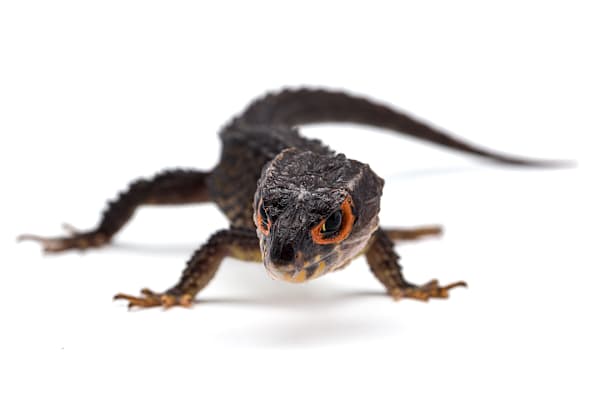
Ultimate Red-Eyed Crocodile Skink Care Guide: Habitat, Food & Health
Learn how to care for Red-Eyed Crocodile Skink, recommended diet & aquarium setup. Find the right food, supplies & equipment at your neighborhood Petco.
Updated on April 9th, 2026
- Home & Habitat
How to Keep Your Reptile Warm During a Power Outage
Learn some tips and strategies that can be used to get your pet reptiles safely through a power outage regardless of the time of year.
Updated on July 17th, 2026
- Care Sheets
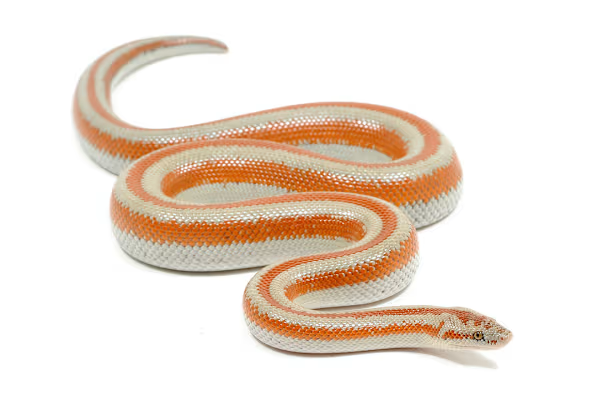
Rosy Boa Care: Your Complete Guide to Food, Habitat & Health
Learn how to care for a Rosy boa, recommended diet and habitat setup. Find the right food, supplies and equipment at your neighborhood Petco.
Updated on April 9th, 2026
- Health & Wellness
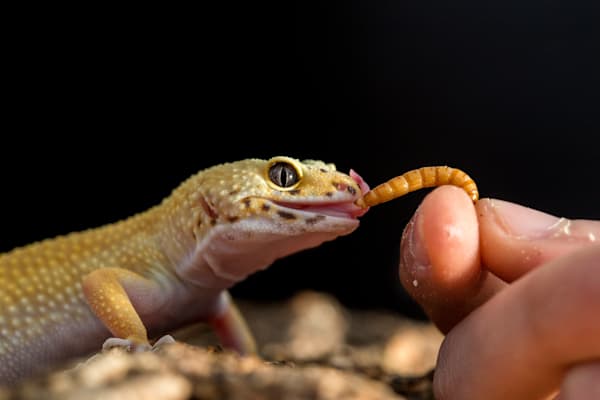
Leopard Gecko Not Eating? Here's Why & What to Do
Do you have questions about why your gecko isn’t eating? Petco has the answers. Visit us to learn about leopard gecko dietary needs and more.
Updated on June 19th, 2026
- Care Sheets
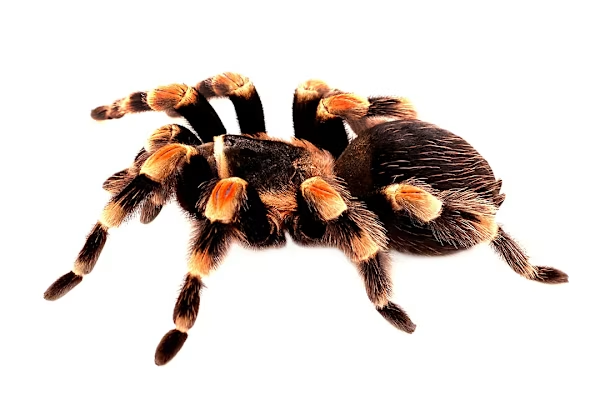
New Pet Parent? Terrestrial Tarantula Care & Setup Guide
Learn how to care for terrestrial tarantulas, recommended diet & habitat setup. Find the right food, supplies & equipment at your neighborhood Petco.
Updated on April 9th, 2026
- Home & Habitat
Injured lizard care: food, lighting, and habitat setup tips?
It does appear to be of the takydromus species. These grass lizards are common and fairly easy to keep. Being adept climbers, more vertical space should be offered in an enclosure. Branches and vines can be placed for climbing. Bring reptiles, they need an external heat source and UVB lighting. Daytime temps can range from 24 C to 30 C (75-85 F). Provide a basking spot of around 35 C to 38 C (95-100 F) using a heat lamp. Aim for 70-80% humidity. Provide a shallow bowl for water. Mist the cage daily. Feed appropriately sized prey, no bigger than the space between the eyes, that have been gutload for 24 hours prior to offering. This will maximize nutritional value. Crickets, mealworms, dubia roaches, waxworms or wingless fruit flies can all be offered. Dust prey with a calcium supplement and a multivitamin supplement several times weekly. Ideally, the wound should be addressed by a veterinarian experienced in treating reptiles. You can clean it with dilute Betadine or chlorhexidine solution daily and monitor for redness, bleeding, lethargy or decreased appetite.
Updated on September 24th, 2025
- Vet Q & A
My bearded dragon needs heat & food, no store. What can I use at home?
Hi, For heat you could do a number of things e.g. place any incandenscent bulb above him, place other types of heaters near the tank etc. Please make sure that the temperature is not too high. As for food, this is more of a problem. If he's used to eating crickets it would be difficult to switch him at once to something else. I assume meal worms or otjer insects are also unavailable? You could very temporarily try some soft cat food but it may not work.
Updated on September 24th, 2025
- Training & Behavior
My leopard gecko is tame after 3 weeks. Is this normal for a new pet?
Hello and thank you for reaching out to Petco Pet Education Center, formerly Petcoach. This is definitely OK! It is possible he was handled frequently before you got him, so he is already used to being handled. He may also just have a personality where he isn't afraid of being picked up. As a reminder, geckos can carry infections that can make humans sick, so always wash your hands well after handling him! I hope this is helpful.
Updated on September 24th, 2025
- Vet Q & A
My reptile has bloody poop. What can I do to help him before the vet?
Keep him warm and as stress free as possible. If he is on loose substrate, switch him to slate, paper towels or reptile carpeting to prevent material from sticking to his vent. Submit a stool sample to your veterinarian to diagnose intestinal parasites.
Updated on September 24th, 2025
- Vet Q & A
My lizard is bleeding and has pus from her anal area. What do I do?
Thanks for reaching out about Enola and including photos. The cloaca does appear infected but that might be a secondary problem. She also appears very thin. Diet and husbandry needs to be reviewed to provide an optimal healing environment. A fecal examination for parasites and bacteria should be performed at a veterinary office, as the pet store has zero medical knowledge and now one week has been wasted. A veterinary visit is necessary for proper diagnosis and treatment. Short (10-15 minute) warm water soaks can provide some transient comfort and might stimulate defecation. Systemic antibiotics (oral or injections) are probably required, no only topical. Good luck.
Updated on September 24th, 2025