Two Easy Ways to Start Earning Rewards!
Earn 2X Pals Rewards points at Petco
when you use Petco Pay!
Get It Today
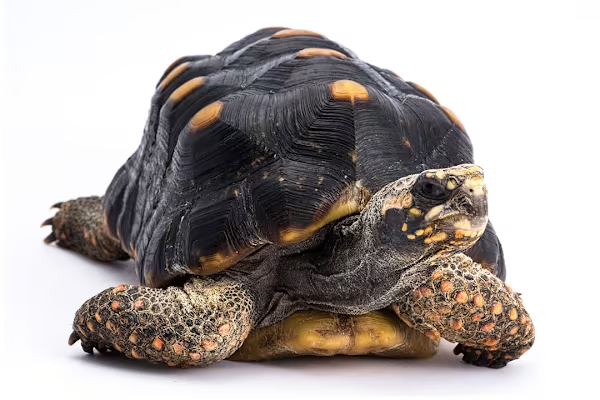
Learn how to care for tropical tortoise, recommended diet & habitat setup. Find the right food, supplies & equipment at your neighborhood Petco.
Updated on April 9th, 2026
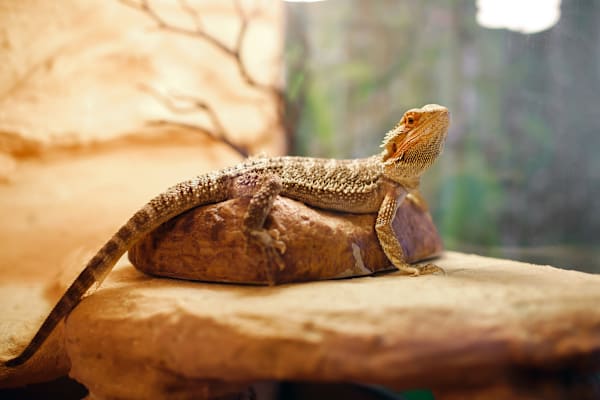
Search Petco for information about metabolic bone disease, which is fairly common in many reptiles. Use our tips to help keep your reptile comfortable.
Updated on June 19th, 2026
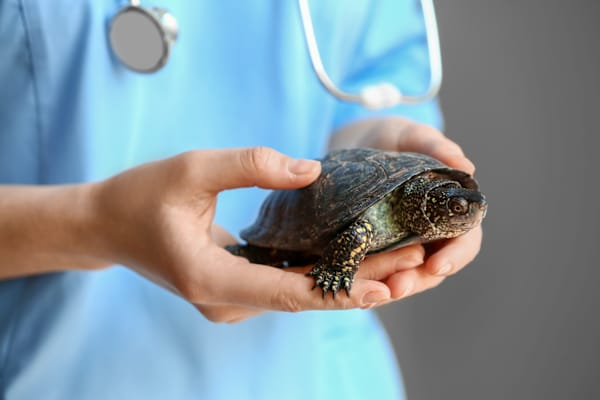
Learn how to care for terrestrial turtles, recommended diet & habitat setup. Find the right food, supplies & equipment at your neighborhood Petco.
Updated on April 9th, 2026
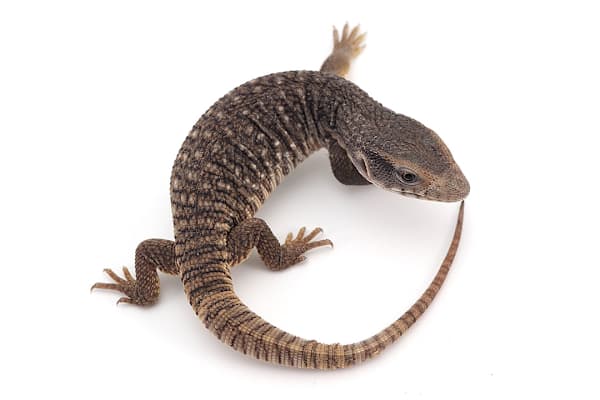
Learn how to care for a monitor lizard, recommended diet and habitat setup. Find the right food, supplies and equipment at your neighborhood Petco.
Updated on April 9th, 2026
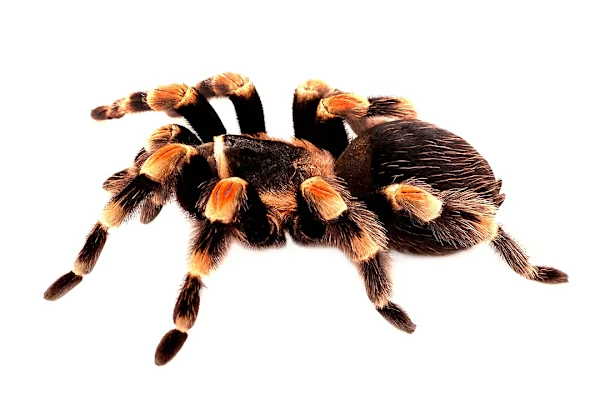
Learn how to care for terrestrial tarantulas, recommended diet & habitat setup. Find the right food, supplies & equipment at your neighborhood Petco.
Updated on April 9th, 2026
What you have appears to be an aquatic/semi-aquatic species of turtle. Basic requirements include a tank of at least 10 gallons initially, a water heater, a water filter, a basking area out of the water, a heat lamp and a UVB light source.
Updated on September 24th, 2025
Thanks for reaching out about Leafy. Seizures in reptiles can definitely due to calcium deficiencies, either lacking in the diet, too cold of an environ or lack of UVB exposure. Diet and husbandry to be corrected, but a veterinary visit can provide injections of these medications, and anti-seizure medications during recovery. Mealworms kept in the refrigerator or crickets straight from the store are insufficient. All insects need to be gut-loaded with dark greens and red/yellow/orange vegetables. Good luck.
Updated on September 24th, 2025
Often when a reptile doesn’t want to eat, it is a sign that they don’t feel well. The most common reason behind them not feeling well is imperfections in their husbandry and diet. I would recommend consulting an online care sheet to ensure that your husbandry is as perfect as possible. Common areas of imperfection include temperature, lighting, and humidity. I would also recommend having Ash seen by a veterinarian, as they can help to counsel you about Ash’s husbandry as well. In addition to a thorough physical examination, they may recommend diagnostic testing including radiographs (x-rays) and blood work to evaluate systemic health. I hope that gives you a place to start, and thanks for using Petco Pet Education Center, formerly Petcoach!
Updated on September 24th, 2025
Offer appropriately sized prey, no bigger than the space between the eyes. Confirm proper temperature as well. Low temps can affect appetite and digestion in reptiles. Be sure to dust prey at every feeding with a multivitamin and calcium supplements. Gutloading prey for 24 hours will also maximize nutritional value. Do not be concerned if she refuses food for one day.
Updated on September 24th, 2025
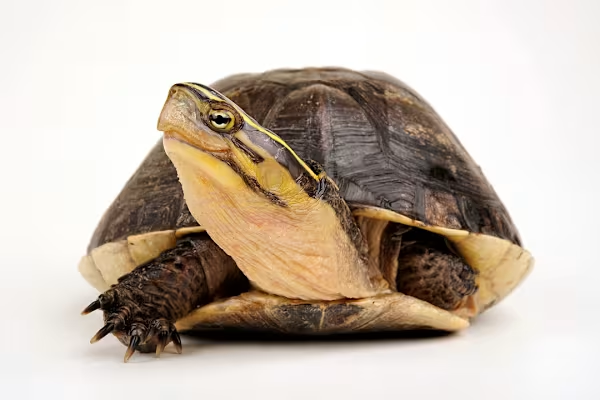
That hinge on her plastron (bottom shell) is normal. It is supposed to appear "split". That allows her to close up securely when she retracts her head. These turtles do not get as big as other species, but a 10 gallon tank is too small. She also needs a UVB light source. Windows will block most of the sun's beneficial rays. You can find a UVB light source in most pet stores. A popular brand is the ZooMed ReptiSun light. They are good eaters, eating a wide variety of animal protein, plant matter and commercial diets. The link below leads to a care sheet providing additional information. http://www.reptilesmagazine.com/Three-toed-Box-Turtle-Care-and-Information/
Updated on September 24th, 2025