Two Easy Ways to Start Earning Rewards!
Earn 2X Pals Rewards points at Petco
when you use Petco Pay!
Get It Today
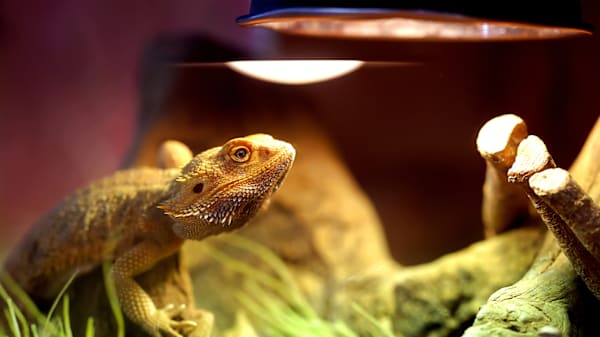
Learn the importance of UVB light for your reptiles and the right reptile lights for your pet’s habitat.
Updated on July 17th, 2026
When it comes to reptile habitats, one of the most essential elements to creating a happy home for your pet is including the appropriate type of lighting. Zoo Med helps outline which lights are right for your pet.
Updated on July 17th, 2026
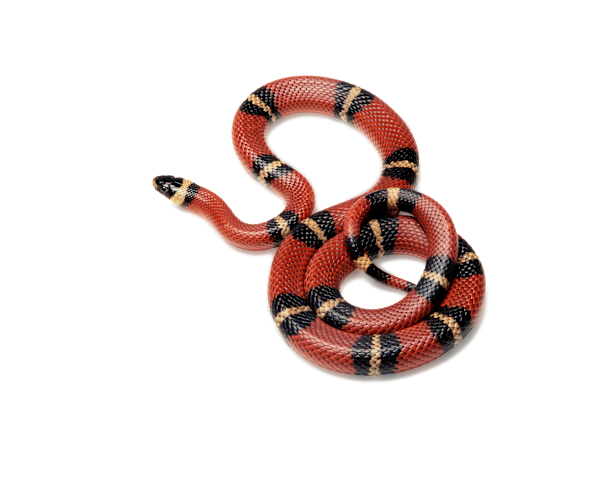
Learn how to care for Colubrids recommended diet and habitat setup. Find the right food, supplies and equipment at your neighborhood Petco.
Updated on May 27th, 2026
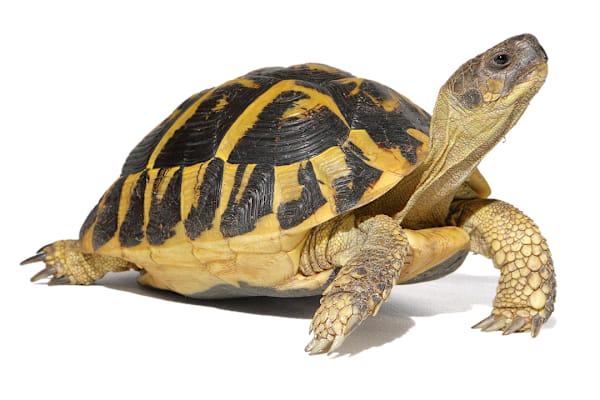
Learn how to take care of your Hermann's Tortoise, tank size, diet & habitat setup. Find the right food, supplies and equipment at your neighborhood Petco.
Updated on April 9th, 2026
Learn some tips and strategies that can be used to get your pet reptiles safely through a power outage regardless of the time of year.
Updated on July 17th, 2026
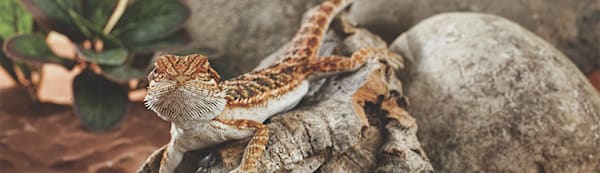
Ideally, the UVB light source should run the entire length of the tank. A thermometer/hygrometer should be on each end of the tank to confirm cool and warm sides. Use a digital thermometer to verify temps. Those little ones you have can be inaccurate. Provide a hide on both sides as well. Personally, I would remove the fake grass as it has the potential to cause eye injuries. Your tank looks good otherwise.
Updated on September 24th, 2025
It is difficult to say for sure what type of dragon you may have. If this is a baby then it very well could just be a bearded dragon. Rankin dragons are usually smaller when they are fully grown that a bearded dragon. I would buy an enclosure big enough for a bearded dragon to be safe. Also, I would feed and treat it as if it is a bearded dragon. It is going to be less likely that you got a Rankin dragon from a local pet store. From my understanding, you have to seek out a Rankin dragon breeder to be sure you are getting this type of dragon. I hope this helps!
Updated on September 24th, 2025
Often when a reptile doesn’t want to eat, it is a sign that they don’t feel well. The most common reason behind them not feeling well is imperfections in their husbandry and diet. I would recommend consulting an online care sheet to ensure that your husbandry is as perfect as possible. Common areas of imperfection include temperature, lighting, and humidity. I would also recommend having Ash seen by a veterinarian, as they can help to counsel you about Ash’s husbandry as well. In addition to a thorough physical examination, they may recommend diagnostic testing including radiographs (x-rays) and blood work to evaluate systemic health. I hope that gives you a place to start, and thanks for using Petco Pet Education Center, formerly Petcoach!
Updated on September 24th, 2025
Hello. For the best health & living conditions for your anole, please only use products designed for them. Heating pads are dangerous & reptiles are not plants & require a very specific spectrum of light to grow in a healthy manner. In the long run, you will have less problems & metabolic health issues if you prepare a proper environment for your pet. Thanks for using Petco Pet Education Center, formerly Petcoach.
Updated on September 24th, 2025
Mild scale rot can be managed at home by controlling humidity and treating the affected area topically. Keep the enclosure and substrate dry and provide adequate ventilation. Use a diluted betadine solution to gently clean the affected area once or twice daily. Dry thoroughly afterwards. A dab of a triple antibiotic ointment or silvadene cream can be applied after each cleaning. More serious rot or rot that does not respond to conservative treatment should be addressed by your veterinarian or a vet experienced in treating reptiles.
Updated on September 24th, 2025