Two Easy Ways to Start Earning Rewards!
Become a member today! Members-only pricing and offers, personalized care notifications, Vital Care points back on every purchase and more!
 Become a credit card member today!
Earn 2X Pals Rewards points at Petco
when you use Petco Pay!APPLY NOWLearn More About Petco Pay Benefits
JBJ Aquatic Equipment


Related Articles & Questions
 Care Sheets
Master Aquatic Plant Care: Lush Aquarium Plants & Happy Fish
Tanks with live plants can be excellent additions to your home, bringing a touch of nature indoors. Learn how to take care of aquatic plants.
Updated on November 6th, 2025
- Care Sheets
Essential Large Marine Fish Care Guide: Tank Setup, Diet, & Tank Mates
Learn how to care for large marine fish, recommended diet and habitat setup. Find the right food, supplies and equipment at your neighborhood Petco.
Updated on April 9th, 2026
- Care Sheets
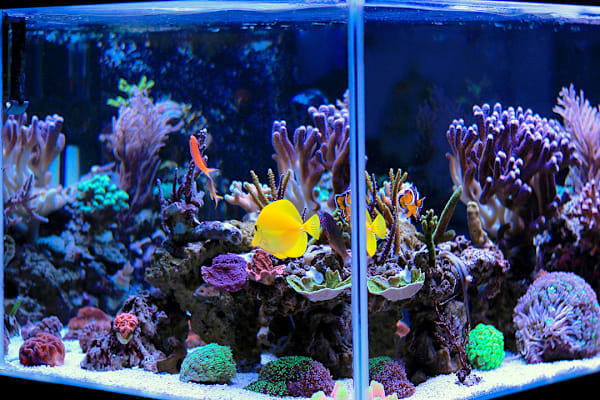
Build Your Thriving Saltwater Tank: Easy Setup for Marine Life
Learn how to set up a saltwater fish tank and key considerations regarding placement, supplies needed, and the overall set up process.
Updated on October 23rd, 2025
- Care Sheets
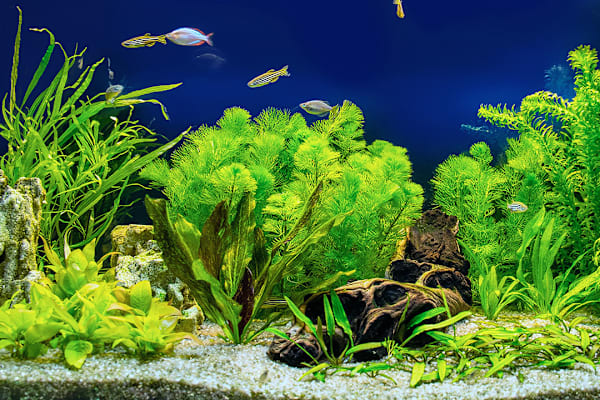
Freshwater Aquarium Setup: A Step-by-Step Guide for Beginners
Learn how to set up a freshwater fish tank and key considerations regarding placement, supplies needed, and the set up process.
Updated on October 23rd, 2025
- Care Sheets
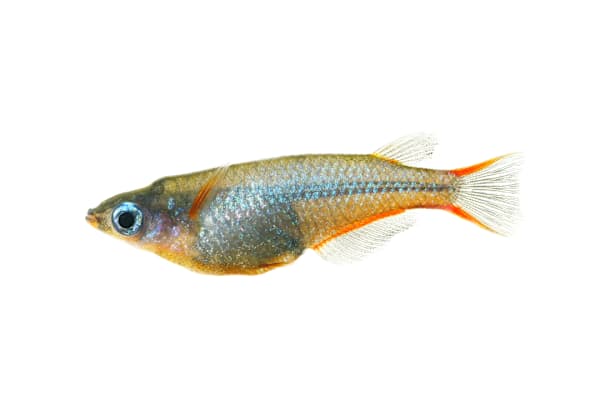
Complete Ricefish Care: Setup, Diet, & Habitat for Thriving Fish
Learn more about these slow moving fish and the care they need when added to your aquatic environment.
Updated on April 9th, 2026
- Training & Behavior
Moving fish long distance: How to transport and feed them safely?
Thanks for reaching out. If is a good idea to fast for 1-2 days prior to shipment, this decreased feces and will help to keep the ammonia down. Typically clear bags are utilized with about 50% water, and 50% air/oxygen used. A local pet store might be able to assist, as they get shipment in (so have older bags and boxes, which need to be disinfected) and hopefully the skills to ship. Check with the airline also, box needs to be well labelled "LIE ANIMALS" and "THIS END UP". Sometimes a health certificate for interstate travel is needed, so contact airline and State of Utah, veterinarian. Good luck.
Updated on September 24th, 2025
- Vet Q & A
Why are my fish dying with bleeding, white spots, and polluted water?
I'm sorry you are having difficulties with your aquarium. There are several issues that should be dealt with right now. They are water chemistry, aquarium size and choice/number of fish. Any new aquarium should be set up and, ideally, run empty for several weeks (usually 4-6 weeks). This is so beneficial bacteria have an opportunity to populate the substrate and filter. These bacteria are necessary to break down wastes that fish will produce. The technical phrase for this is "establishing the Nitrogen cycle". These bacteria will break down wastes into ammonia then nitrites then nitrates. Nitrates can then dissipate or be absorbed/used by live plants. In high enough concentrations, ammonia and nitrites are toxic and can kill fish. Cycling a tank with fish is possible but it increases the risk of loss. Water chemistry should be checked every few days using a liquid home test kit. A water sample can be submitted for testing , but is not as convenient as testing yourself. Most pet stores or fish stores will do this for free or for a small fee. Partial water changes, no more than 30%, can be done as needed to stabilize chemistry and maintain water quality. Choices for water conditioners include NovAqua, AmQuel Plus, Prime, StressZyme or StressCoat. Tank size is another concern. With most fish, the widely accepted "one inch of fish per gallon" will be sufficient. For koi and other carp species, including goldfish, the rule is not sufficient. At full size, goldfish need 20 gallons per fish with an additional 10 gallons for each additional fish. Koi do best in larger tanks, much larger...we're talking in the hundreds of gallons or small ponds. These species produce a larger than average bio-load (wastes) that can quickly affect water quality in a tank. To combat this, large water volumes and powerful filtration are required. Any filter should be rated for at least twice the tank volume. I'm not sure what size tank you have now, it may be fine if the fish are young and small, but they will quickly outgrow it. The last issue is choice of fish. Koi and goldfish are cold water fish. They do best in water between 65F and 72F. Most species of sharks do best in the high 70sF to low 80sF. Keeping fish in incorrect water temperatures will lead to stress and illness. This could be compounded by the water quality/chemistry issues you are having currently. Until the chemistry is stable and water quality is maintained, your fish will continue to become ill and possibly die. Any treatment will not be successful in this situation. Do not purchase or add any more fish until the tank has cycled. If you have additional questions, you can post them in the forum or request a consultation to discuss the case in greater depth.
Updated on September 24th, 2025
- Food & Nutrition
How to save my new fair fish in a bowl? What should I feed it?
It sounds like you need to take a trip to your local pet store. The clerks there can help you pick out an appropriately size tank with proper filtration and heating that can help keep Sushi healthy. They can also let you know what water treatments you'll need for the water in your area, as well as test any water you bring it to see if it is OK for Sushi to live in. Pet stores will also carry commercial goldfish food which is a balanced diet that is given to them. It should have feeding instructions on it so you know how much is appropriate to give to Sushi.
Updated on September 24th, 2025
- Vet Q & A
How to safely bring koi indoors for winter? Tank size, feeding, water.
Anything less than a 100 gallon tank would be insufficient for koi of your sizes. They can be fed as you feed outdoors. Filtration would be critical to maintain water quality. A combination of mechanical, biological and chemicals filtration would be required.
Updated on September 24th, 2025
- Training & Behavior
Is my 90L fish tank big enough for my fish to be comfortable?
Thank you for using Petco Pet Education Center, formerly Petcoach! It looks like the tank provides enough room for Speedy and Explorer to swim comfortably. Keep an eye on them, and move them into a larger tank if they get significantly larger or you notice signs of fighting or increasing ammonia levels in the tank.
Updated on September 24th, 2025