Two Easy Ways to Start Earning Rewards!
Become a member today! Members-only pricing and offers, personalized care notifications, Vital Care points back on every purchase and more!
 Become a credit card member today!
Earn 2X Pals Rewards points at Petco
when you use Petco Pay!APPLY NOWLearn More About Petco Pay Benefits
InTune Cockatiel Shop
Get It Today



Related Articles & Questions
- Care Sheets
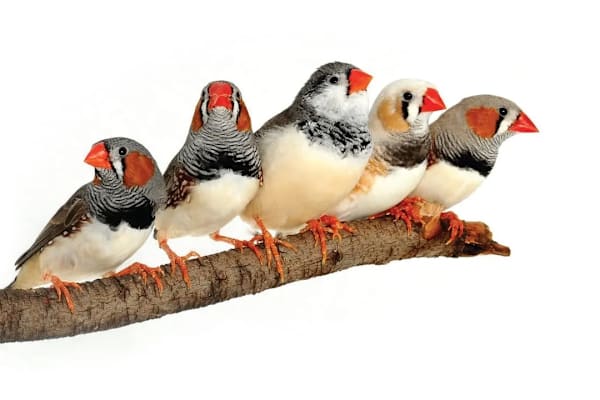
New Finch Owner: Master Finch Care for Food, Habitat & Health
Learn how to take care of your pet Finches, recommended cage size, diet & housing setup. Find the right food, supplies & equipment at your local Petco.
Updated on April 9th, 2026
- Care Sheets
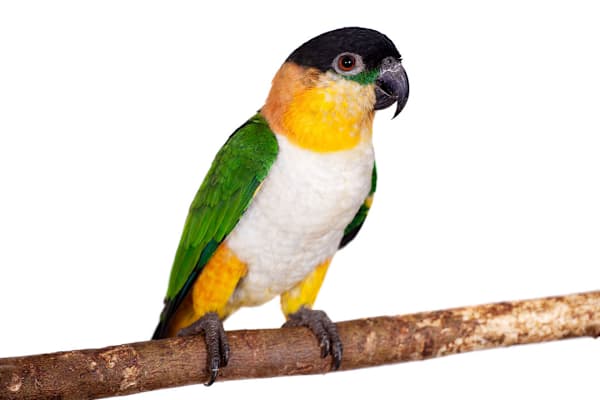
Small Hookbill Parrot Care: Food, Habitat, Health & Behavior Tips
Learn how to care for small hookbill parrots, recommended diet & bird cage setup. Find the right food, supplies & equipment at your neighborhood Petco.
Updated on April 9th, 2026
- Training & Behavior
Essential Pet Care Guide: Keep Your Furry Friend Happy & Healthy
Search Petco for the information needed about your bird’s body language. We will help you look for the signs in your bird & help you communicate with them.
Updated on October 23rd, 2025
- Health & Wellness
Feather Plucking in Birds: Causes & How to Stop It
Learn more about preventing and stopping unhealthy feather plucking or feather picking as it could lead to serious health problems for your pet bird.
Updated on July 17th, 2026
- New Pet
Ultimate Parakeet Care: Feeding, Housing, Health & Fun Facts Guide
Parakeets can make great pets. Take a look at these fun facts about these winged companions and wow your friends with your knowledge.
Updated on October 23rd, 2025
- Training & Behavior
Understanding cockatiel body language: What is my bird telling me?
I would recommend to have a look at this link to have detailed informations about this topic: https://www.petcoach.co/article/understanding-bird-body-language-what-your-parrot-or-your-o/ Hope this answer was helpful, but please do not hesitate to contact us again on the forum or by requesting a consultation if you have any more questions or to discuss it any further. If this answer was helpful please let us know, this will be used to improve our service!
Updated on September 24th, 2025
- Health & Wellness
How to stop my cockatiel screaming when I leave and come home?
Cockatiels are extremely vocal birds, so it may just be that Cici is excited and very "talkative". Giving him some fun things to do such as adding in an enriching toy that requires concentration to open or play with, playing soothing music, or even moving him to a quieter location free of other pets and people may help him to settle down some. If he is housed with another bird, there could be competition over perches, food and water dishes which is causing stress, so adding extra in and making sure there is enough room for both birds may help. If he does continue screaming, or seems ill or painful in addition, a vet visit is always a good idea to rule out any pain or underlying health issues.
Updated on September 24th, 2025
- Vet Q & A
Why is my cockatiel sick? Eyes closed, squinting, sitting in corner.
Thank you for using PetCoach. I'm so sorry Tino Is sick. What you're describing is just general symptoms of a bird that doesn't feel well. They are non-specific signs, that could be due to a variety of illnesses. I would recommend a veterinary visit to see what maybe going on. Birds are very good at hiding their illness since they are prey species, so at the point you have noticed that he is feeling unwell he may actually be very sick. If you do not know of an avian veterinarian and this website may help you find one. Www.aav.org Keep him in a warm draft free location and try to tempt his appetite with treats her favorite foods in the meantime. https://vcahospitals.com/know-your-pet/sick-pet-birds-nursing-care https://vcahospitals.com/know-your-pet/sick-pet-birds-recognizing-a-sick-bird Best of luck and thank you for using PetCoach.
Updated on September 24th, 2025
- Training & Behavior
New to parakeets? Essential care tips for first-time owners.
Parakeets, also called Budgerigars, are small members of the parrot family and they can become good mimics. The average adult size is 7 inches long, head to end of tail. The average life span is between 10 to 20 years with proper care. A well-balanced Parakeet diet consists of: Specialized pellets should make up 60-70% of diet, fresh vegetables and fruits and small amounts of fortified seeds Clean, fresh, filtered, chlorine-free water, changed daily. Do not feed birds: avocado, fruit seeds, chocolate, caffeine or alcohol; it can cause serious medical conditions. Avoid sugar and high fat treats. Things to remember when feeding your Parakeet: Fresh food and water should always be available. Vegetables and fruits not eaten within a few hours should be discarded. Remember, treats should not exceed 10% of total food intake. Housing Parakeets acclimate well to average household temperatures, not to exceed 80°F; be cautious of extreme temperature changes. The habitat should area that is well-lit and away from drafts. A habitat approximately 18"W x 18"D x 18"H, with metal bars spaced no greater than 1-2" apart, makes a good home for one Parakeet. A flight habitat is strongly recommended. It is best to provide the largest habitat possible. Perches should be at least 4" long and 3-8" in diameter; a variety of perch sizes to exercise feet and help prevent arthritis is recommended. Perches should be at least 4" long and 3-8" in diameter; a variety of perch sizes to exercise feet and help prevent arthritis is recommended. A metal grate over the droppings tray will keep the bird away from droppings; line the droppings tray with habitat paper or appropriate substrate for easier cleaning. To avoid contamination, do not place food or water containers under perches. Parakeets can be kept alone to bond with pet parent or in pairs to bond with each other. Different birds she not be housed together. Normal Behavior Parakeets are talkers, but their little voices are sometimes hard to hear. Active and need daily time out of their habitats to interact with family. Keep in pairs if unable to devote daily interaction time. Provide foraging toys, which provide important mental stimulation. Housing Maintenance Clean and disinfect the habitat and perches regularly; replace substrate or habitat liner weekly or more often as needed. Replace perches, dishes, and toys when worn or damaged; rotate new toys into the habitat regularly. Ensure that there are no habitat parts or toys with lead, zinc or lead-based paints or galvanized parts as these can cause serious medical issues if ingested by your bird. Do not use a lot of cleaning agents around your bird a natural cleaner. Grooming & Hygiene Provide filtered, chlorine-free, lukewarm water regularly for bathing; remove the water when done. As an alternative, mist the bird with water. Clipping flight feathers is not necessary, but when done correctly it can help prevent injury or escape; consult an avian veterinarian on what is best for your bird. Nails should be trimmed by a qualified person to prevent injury to the bird. Signs of a Healthy Animal: Active, alert, and sociable Eats and drinks throughout the day Dry nares and bright, dry eyes Beak, legs and feet normal in appearance Clean, dry vent Smooth, well-groomed feathers Common Health Issues Chlamydiosis: Appetite loss, fluffed feathers, nasal discharge, green stool. Seek immediate avian veterinary attention. Diarrhea: Fecal portion of stool is not formed. Multiple causes from diet change to internal parasites. Consult with an avian veterinarian and ensure proper diet. Feather plucking: Bird plucks own feathers; may be due to boredom, poor diet or other illness. Consult your veterinarian and relieve boredom with attention, new toys or new space. Mites (scaly face and leg disease): White deposits on eyes, beak, legs, and feet. Consult your veterinarian. Red Flags Beak swelling or accumulations Fluffed, plucked, or soiled feathers Sitting on floor
Updated on September 24th, 2025
- Food & Nutrition
My cockatiel's eye is sore, and male plucks feathers. Is she sick?
Hello. It appears your question got cut off so please consider reposting it. I will say though, based on what you wrote, that Snow White may certainly be sick. If there was no veterinary exam, fecal, or blood work done beforehand, then there’s no guarantee that the birds you acquired weren’t harboring some disease that may only show itself in times of stress (like entering a new aviary, reproduction, etc). Since you already have many birds, their health is potentially at risk and I would recommend having a veterinarian evaluate the new birds. At minimum a physical exam and fecal should be done, but consider Chlamydia screening, blood work, fecal gram stain. Other infectious disease tests can be done but your vet can recommend what they feel is indicated. Good luck!
Updated on September 24th, 2025