Two Easy Ways to Start Earning Rewards!
Earn 2X Pals Rewards points at Petco
when you use Petco Pay!
Get It Today
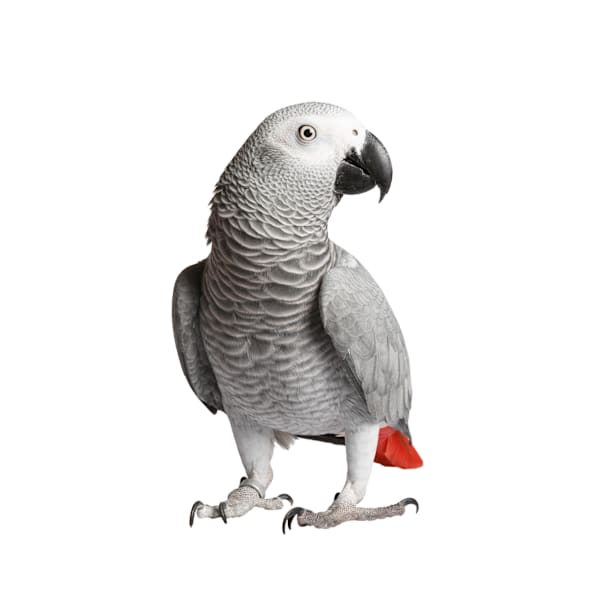
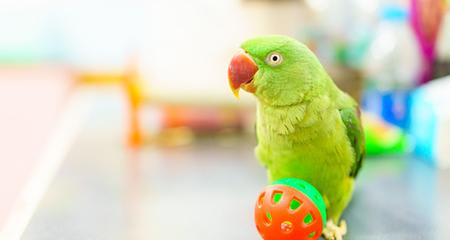
Learn how to take care of large Hookbill, recommended diet and housing setup. Find the right food, supplies and equipment at your neighborhood Petco.
Updated on April 9th, 2026
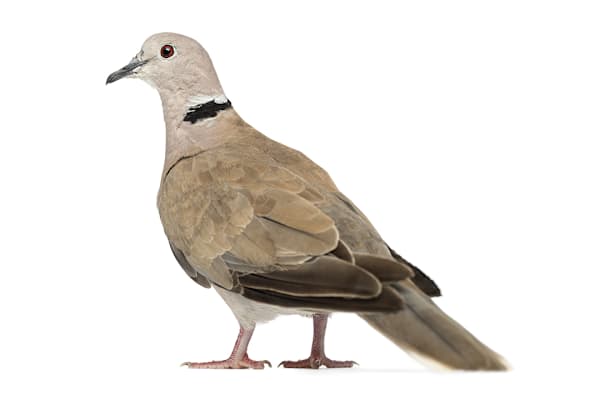
Learn how to care for your pet dove, recommended diet and cage setup. Find the right food, supplies and equipment at your neighborhood Petco.
Updated on April 9th, 2026
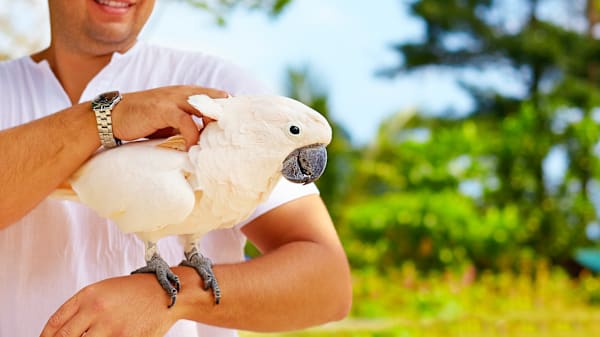
There are many household hazards for birds, that's why it's important to bird proof your home.
Updated on July 17th, 2026
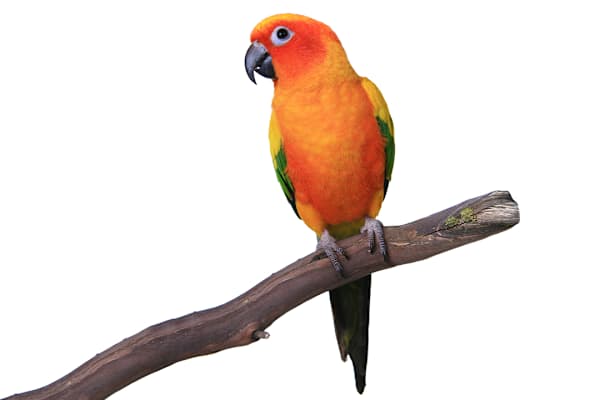
Learn how to take care of Sun Conures, recommended diet and housing setup. Find the right food, supplies and equipment at your neighborhood Petco.
Updated on April 9th, 2026
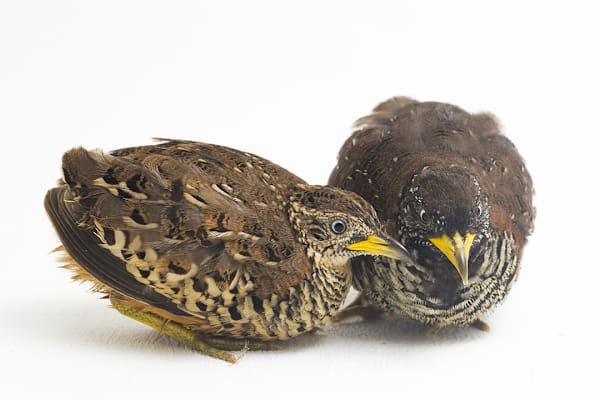
Learn how to take care of Button Quails, recommended diet and housing setup. Find the right food, supplies and equipment at your neighborhood Petco.
Updated on October 23rd, 2025
Birds can be fun pets to have around the house, but I have to say that they are all high-maintenance. They require daily feeding, cleaning bathing and appropriate enrichment in order to keep them happy and healthy. If this is not provided, then you may end up with a miserable/sickly bird with no feathers. Vet bills can be very expensive when birds get sick, because there are limited veterinarians that are knowledgable and skilled with avian medicine. Providing as much space as possible is best for a bird. I think I have an idea of the type of cage you want, but this is not a very suitable cage for anything other than a small bird (tend to have shorter life-spans than bigger birds). Even then it's quite small for a bird, because birds are born with the expectation of having unlimited space. You will also have to consider the noise. If your place is small, then I'd assume you have close neighbors. Birds are generally very noisy and can easily make some enemies in close quarters. Unfortunately, there is not a pet bird that completely meets your criteria, but if you are determined to get a bird, then a Budgie would likely be the best option. Below are a couple of links with some more information about Budgies and caring for birds. http://www.budgerigar.com/ http://www.budgie-info.com/budgie-care.html I hope that helps and all goes well.
Updated on September 24th, 2025
It is best to go with the cage that has the most horizontal flight space. Peaked cages are OK looks-wise, but make sure it is safe and feet and wings can't get caught where the edges meet. Avoid round shaped cages as well as it can sometimes stress birds out to not have a corner they can hide and relax in. Any cage should have enough room to move around a bit, have some toys for enrichment, and have a place to quietly rest aside from food and water locations.
Updated on September 24th, 2025
Thanks for reaching out about Aqua. You can search for free cages on sites such as Craigs List or local bird rescue groups. A minimal size is probably 2' x 2' x 3', but depends on how much time is spent in the cage. Flight is good exercise but needs to monitored so the birds don't get themselves into trouble flying around. No bird should be left outside of its cage unattended. If birds are active and out of the cage for a fair amount, the night cage can be smaller, as is for mostly sleeping. Good luck.
Updated on September 24th, 2025
Thanks for your question about Hazlet, and thank you for the photos - they are very helpful. You are correct in that Hazlet is more fluffed than a normal canary should be. You are also correct that this can be a sign of illness (it is part of what we call the "sick bird posture" - this also includes sitting low on the perches or sitting on the ground, closing the eyes, tucking the head, faster breathing). It can also be a sign of stress, or being cold as well. I would recommend that you evaluate where the cage is located - is it near a window, near an outside wall, or near a door? Is the temperature in your house 70F or below - if so, I would recommend increasing the temperature. Now that it has been two days since you posted (I apologize for the delay, by the way), if this has continued and the temperatures and cage location are appropriate, it may be time for a veterinary visit. Often it can take a few days for a bird to get comfortable in their new environment, but if it is still going on now, I would recommend taking him in to see a veterinarian. They can perform a physical examination, and depending on the findings, may have treatment recommendations for you. They can also evaluate the husbandry/care/diet for Hazlet and may make recommendations that are tailored to you and to him. I hope that gives you a place to start, and thanks for using Petco Pet Education Center, formerly Petcoach.
Updated on September 24th, 2025
You can just remove any newly laid eggs and discard them if you don't want to hatch any more babies. Many captive birds will continuously lay eggs, so just removing them is fine. If you are looking to rehome some birds, it would be best to put an ad in a local paper, or contact any local stores near you. Most pet stores already have contracts in place with breeders, so you may need to find another option for rehoming them.
Updated on September 24th, 2025