Two Easy Ways to Start Earning Rewards!
Become a member today! Members-only pricing and offers, personalized care notifications, Vital Care points back on every purchase and more!
 Become a credit card member today!
Earn 2X Pals Rewards points at Petco
when you use Petco Pay!APPLY NOWLearn More About Petco Pay Benefits
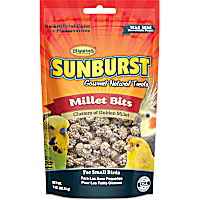
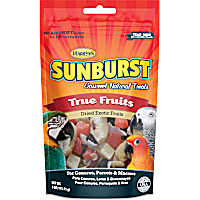
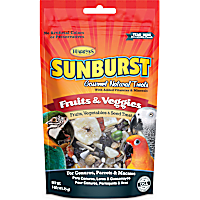
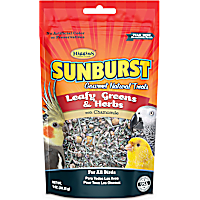
Higgins Sunburst Conure Treats
Get It Today



Related Articles & Questions
- Care Sheets
How to Care for a Sun Conure: Food, Habitat, Health & Behavior
Learn how to take care of Sun Conures, recommended diet and housing setup. Find the right food, supplies and equipment at your neighborhood Petco.
Updated on April 9th, 2026
- New Pet
How to Socialize Your Pet Bird: A Step-by-Step Guide
Welcoming a new pet into your family is exciting! But it can be stressful for your new bird. Use these steps to help socialize your bird and welcome them into your home.
Updated on July 17th, 2026
- Home & Habitat
Caring for Your Pet Bird During a Power Outage
Learn more about beachcombing tips with your water-friendly dog to understand how to get most out of your dog’s day at the beach.
Updated on July 17th, 2026
- Health & Wellness
Bird Poop Guide: What's Normal & What's Not
Learn how to identify if your bird’s poop is healthy or not. Visit Petco to find all the answers about birds’ poop.
Updated on July 17th, 2026
- New Pet
Bird Cage Cleaning: Daily, Weekly & Monthly Guide
Regular cleaning and disinfection of a bird cage and accessories is one of the keys to keeping a bird healthy. Learn how to clean a bird cage, what to wear.
Updated on July 17th, 2026
- Food & Nutrition
Is Lafeber's pellet food good for my conure? How to switch diets?
It is an excellent food which is why I recommended it. All of their diet are great! I'm sorry if I eluded to switching the diet slowly. I did not mean that. It is best to change right away. Please refer to this link which should answer all of your questions on how to change diets. You can also call Lafeber's for help. They will be happy to help you. ( http://www.aptos-creeksidepets.com/files/1913/9507/7578/CONVERTING_YOUR_BIRD_FROM_SEEDS_TO_PELLETS.pdf ) ( https://lafeber.com/contact-lafeber-co )
Updated on September 24th, 2025
- Training & Behavior
Are honey sticks safe for hand-feeding my bird? Or are seeds better?
Thanks for your question about Zucchini. I am not sure if I completely am understanding your question, so if I don’t address it completely please re-post. Honey sticks are often very appealing to our pet birds, but unfortunately they are not good for them. They contain a large amount of sugar that can result in gastrointestinal upset and can also result in bacterial and yeast growth in the intestines. I would recommend using a different high value treat item for training and socializing purposes. You mentioned seeds, and those can be very useful. I hope that helps to answer your question, and I wish you luck!
Updated on September 24th, 2025
- Health & Wellness
My conure is head bobbing and has dark poop. Is it diet or stress?
Thanks for reaching out about your conure. Decreased appetite often shows are dark feces. Seed is a poor diet for parrots, deficient in vitamins, minerals and proteins. Birds need to eat a wide variety of vegetables, cooked beans as a protein source and avian pellets. The head bobbing might be reversion to baby-hood, wanting to be fed by mom (induced by stress of new home). Syringe feed if needed to maintain weight. Good luck.
Updated on September 24th, 2025
- Training & Behavior
New to parakeets? Essential care tips for first-time owners.
Parakeets, also called Budgerigars, are small members of the parrot family and they can become good mimics. The average adult size is 7 inches long, head to end of tail. The average life span is between 10 to 20 years with proper care. A well-balanced Parakeet diet consists of: Specialized pellets should make up 60-70% of diet, fresh vegetables and fruits and small amounts of fortified seeds Clean, fresh, filtered, chlorine-free water, changed daily. Do not feed birds: avocado, fruit seeds, chocolate, caffeine or alcohol; it can cause serious medical conditions. Avoid sugar and high fat treats. Things to remember when feeding your Parakeet: Fresh food and water should always be available. Vegetables and fruits not eaten within a few hours should be discarded. Remember, treats should not exceed 10% of total food intake. Housing Parakeets acclimate well to average household temperatures, not to exceed 80°F; be cautious of extreme temperature changes. The habitat should area that is well-lit and away from drafts. A habitat approximately 18"W x 18"D x 18"H, with metal bars spaced no greater than 1-2" apart, makes a good home for one Parakeet. A flight habitat is strongly recommended. It is best to provide the largest habitat possible. Perches should be at least 4" long and 3-8" in diameter; a variety of perch sizes to exercise feet and help prevent arthritis is recommended. Perches should be at least 4" long and 3-8" in diameter; a variety of perch sizes to exercise feet and help prevent arthritis is recommended. A metal grate over the droppings tray will keep the bird away from droppings; line the droppings tray with habitat paper or appropriate substrate for easier cleaning. To avoid contamination, do not place food or water containers under perches. Parakeets can be kept alone to bond with pet parent or in pairs to bond with each other. Different birds she not be housed together. Normal Behavior Parakeets are talkers, but their little voices are sometimes hard to hear. Active and need daily time out of their habitats to interact with family. Keep in pairs if unable to devote daily interaction time. Provide foraging toys, which provide important mental stimulation. Housing Maintenance Clean and disinfect the habitat and perches regularly; replace substrate or habitat liner weekly or more often as needed. Replace perches, dishes, and toys when worn or damaged; rotate new toys into the habitat regularly. Ensure that there are no habitat parts or toys with lead, zinc or lead-based paints or galvanized parts as these can cause serious medical issues if ingested by your bird. Do not use a lot of cleaning agents around your bird a natural cleaner. Grooming & Hygiene Provide filtered, chlorine-free, lukewarm water regularly for bathing; remove the water when done. As an alternative, mist the bird with water. Clipping flight feathers is not necessary, but when done correctly it can help prevent injury or escape; consult an avian veterinarian on what is best for your bird. Nails should be trimmed by a qualified person to prevent injury to the bird. Signs of a Healthy Animal: Active, alert, and sociable Eats and drinks throughout the day Dry nares and bright, dry eyes Beak, legs and feet normal in appearance Clean, dry vent Smooth, well-groomed feathers Common Health Issues Chlamydiosis: Appetite loss, fluffed feathers, nasal discharge, green stool. Seek immediate avian veterinary attention. Diarrhea: Fecal portion of stool is not formed. Multiple causes from diet change to internal parasites. Consult with an avian veterinarian and ensure proper diet. Feather plucking: Bird plucks own feathers; may be due to boredom, poor diet or other illness. Consult your veterinarian and relieve boredom with attention, new toys or new space. Mites (scaly face and leg disease): White deposits on eyes, beak, legs, and feet. Consult your veterinarian. Red Flags Beak swelling or accumulations Fluffed, plucked, or soiled feathers Sitting on floor
Updated on September 24th, 2025
- Training & Behavior
How to stop my conure from biting and being moody during molting?
Thanks for reaching out about Rico. Try training to approach the cage, giving a reward, and setting down near the cage. Then go another step, work it slowly. Its all works around trust. Birds are generally grumpy during molting, so attitude might change when molting complete. Good luck.
Updated on September 24th, 2025