Two Easy Ways to Start Earning Rewards!
Become a member today! Members-only pricing and offers, personalized care notifications, Vital Care points back on every purchase and more!
 Become a credit card member today!
Earn 2X Pals Rewards points at Petco
when you use Petco Pay!APPLY NOWLearn More About Petco Pay Benefits
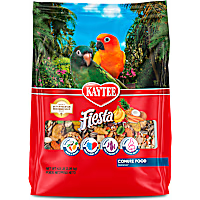
Fiesta Conure Food & Seeds
Get It Today



Related Articles & Questions
- Care Sheets
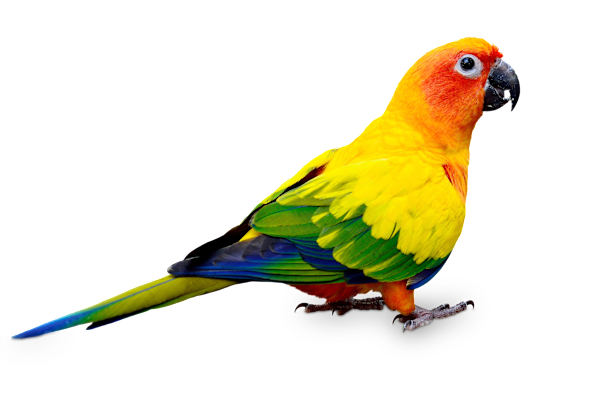
Conure Care Guide: Food, Habitat, Health & Tips for a Thriving Conure
Learn how to take care of Conures, recommended diet and housing setup. Find the right food, supplies and equipment at your neighborhood Petco.
Updated on April 9th, 2026
- Care Sheets
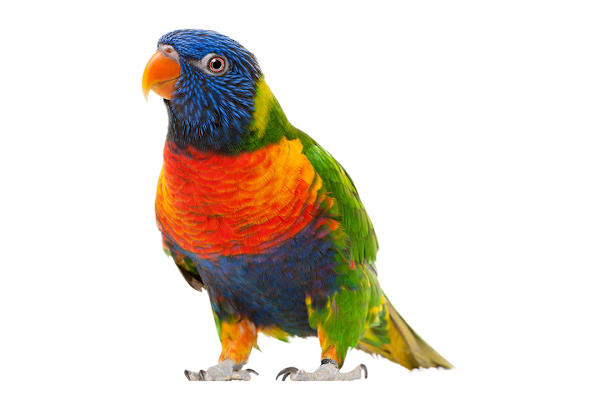
Lory & Lorikeet Care: Nectar Diet, Habitat & Behavior for Happy Birds
Learn how to take care of Lory and Lorikeets, recommended diet and habitat. Find the right food, supplies and equipment at your neighborhood Petco.
Updated on April 9th, 2026
- Care Sheets
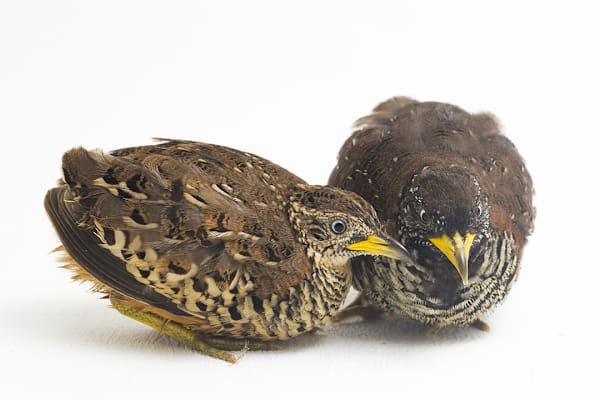
Button Quail Care: Essential Food, Habitat & Health Guide
Learn how to take care of Button Quails, recommended diet and housing setup. Find the right food, supplies and equipment at your neighborhood Petco.
Updated on October 23rd, 2025
- Health & Wellness
Bird Emergency? Essential First Aid Kit & Steps to Save Your Pet
Get prepared to react calmly and efficiently when accidents happen by learning basic bird first-aid skills and putting together a pet bird first-aid kit.
Updated on October 23rd, 2025
- New Pet
Bird Grooming Basics: Feathers, Nails & Wings
Read more to learn some basics of bird grooming that include bathing, nail trimming, and wing clipping.
Updated on July 17th, 2026
- Food & Nutrition
What adult food and brands are best for my young half-moon conure?
A commercial pelleted diet is most convenient and typically provides more complete nutrition. Recommended brands include Harrison's and LaFeber. A seed mix can be offered as well but limit amounts to prevent obesity. Fresh fruits and vegetables can also be offered. A simple search online will yield lists of acceptable fruits and vegetables.
Updated on September 24th, 2025
- Training & Behavior
What pellets can replace discontinued Harrison's for my picky parrot?
Here are a few products that may be similar for you to try out for James (cute name!) [Lafeber's Nutri-Berries](https://www.petco.com/shop/en/petcostore/product/lafebers-nutri-berries-parrot-food): while not entirely pelleted, they are a nice mix of nutrients that are fun to eat and can be broken down to smaller sizes. [ZuPreem Avian Maintenance Natural](https://www.petco.com/shop/en/petcostore/product/zupreem-avianmaintenance-natural-bird-diet-for-parrots-and-conures): a good pelleted food that may be of a similar size to what you were feeding prior. They also offer[ ZuPreem Classic](https://www.petco.com/shop/en/petcostore/product/zupreem-classic-avianmaintenance-natural-bird-diet-for-large-parrots) which is a slightly larger size of the formulation, you may want to try out both to see if James prefers one to the other.
Updated on September 24th, 2025
- New Pet
Considering a second conure: Will they get along? Gender & cage needs?
Hello! I’m glad to hear that things are going so well with Rico that you are considering a second bird. Birds are flock animals so they do tend to do well with other birds. There are a few things to keep in mind though, before adopting another bird. The birds should be about the same size, though don’t have to be the same species. This is to reduce the chance of fighting and trauma from a big bird to a little bird. The birds should have infectious disease screenings to ensure they don’t introduce any illness to each other. I’d recommend minimum of a physical exam, fecal gram stain, fecal float, screening bloodwork (CBC, chemistry), and Chlamydia testing. An avian veterinarian will be able to do all of this for you and they may recommend some additional testing based on what’s already been done by the breeder/store/rescue. I would recommend that each bird has their own cage, at least at the beginning until they get to know each other. Sometimes, birds just don’t get along no matter what we do. They are individuals and it’s possible that personalities can clash. So be prepared to have two separately kept birds in case that happens. However, since Rico is still young, I bet that he will take accept a new bird well! Good luck!
Updated on September 24th, 2025
- Training & Behavior
When can my 6-week conure bathe and start weaning from hand-feeding?
Thanks for reaching out about Spicy. You could start offering solid foods such as vegetables and softened pellets now. If he is fully feathered, he can have a mild shower/bath as long as it is a warm day in which to dry. Good luck.
Updated on September 24th, 2025
- Food & Nutrition
What fruits, veggies, and grains should my young ringneck parrot eat?
Ringnecks should be fed a wide variety of foods. A high quality dry food mix that contains seeds, grains and nuts should be available at all times - a Small Hookbill or Cockatiel should be suitable for them. Clean, fresh water for drinking and bathing should also be provided. Their diet should also include a good amount of leafy dark greens and vegetables (i.e. chard, kale, carrots, corn, celery, squash), as well as fruits (i.e., applies, grapes, pears, persimmons, pomegranates, figs, grapes, bananas). Wild-picked green foods such as chickweed, seeding grass, dandelion (flowers, roots and leaves), shepherds-purse and sow-thistle make excellent additions to a healthy diet. Germinated or sprouted seeds are especially important for the breeding season. They should be fed fresh making sure that it is not contaminated by bacteria or molt. It should have a sweet smell. If it smells foul or sour, discard. Frequent rinsing will help prevent spoilage. Sprouting: The Easy Way. Calcium supplements, such as cuttlefish, shell grit, crushed oyster shell or calcium blocks should be available - particularly during the breeding season. Millet spray makes a nutritious treat.
Updated on September 24th, 2025