Two Easy Ways to Start Earning Rewards!
Become a member today! Members-only pricing and offers, personalized care notifications, Vital Care points back on every purchase and more!
 Become a credit card member today!
Earn 2X Pals Rewards points at Petco
when you use Petco Pay!APPLY NOWLearn More About Petco Pay Benefits
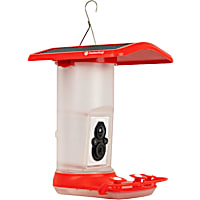
FeatherSnap Bird Waterers & Feeders
Get It Today


Related Articles & Questions
- Care Sheets
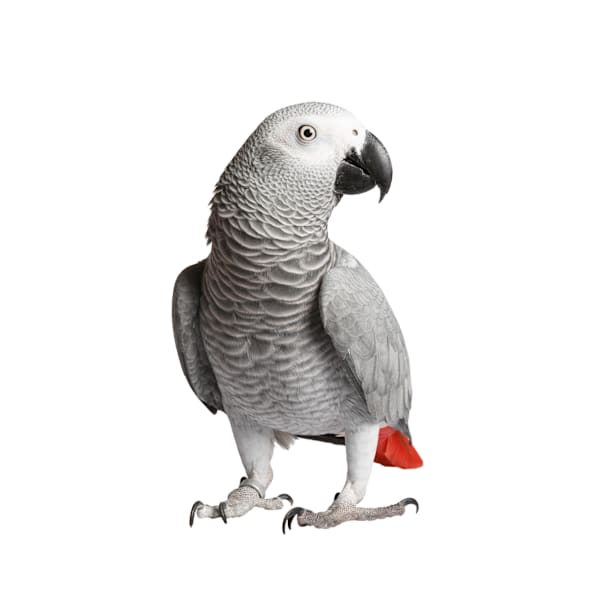
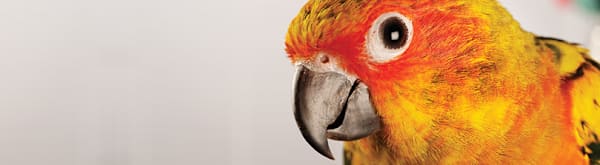
Expert Care for Your Large Hookbill: Food, Habitat, Health & Happiness
Learn how to take care of large Hookbill, recommended diet and housing setup. Find the right food, supplies and equipment at your neighborhood Petco.
Updated on April 9th, 2026
- New Pet
Bird Grooming Basics: Feathers, Nails & Wings
Read more to learn some basics of bird grooming that include bathing, nail trimming, and wing clipping.
Updated on July 17th, 2026
- Health & Wellness
Bird Emergency? Essential First Aid Kit & Steps to Save Your Pet
Get prepared to react calmly and efficiently when accidents happen by learning basic bird first-aid skills and putting together a pet bird first-aid kit.
Updated on October 23rd, 2025
- Care Sheets
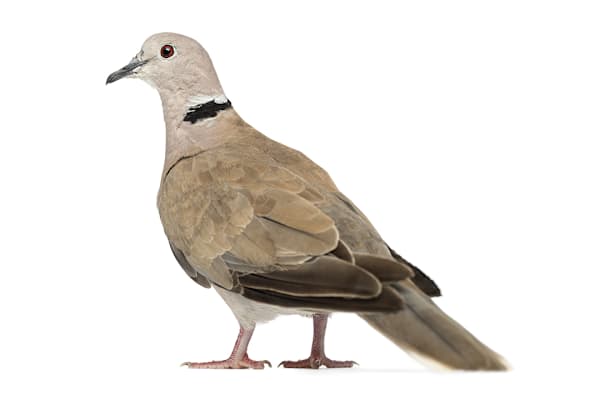
How to Care for Pet Doves: Food, Habitat, & Health for Happy Birds
Learn how to care for your pet dove, recommended diet and cage setup. Find the right food, supplies and equipment at your neighborhood Petco.
Updated on April 9th, 2026
- Care Sheets
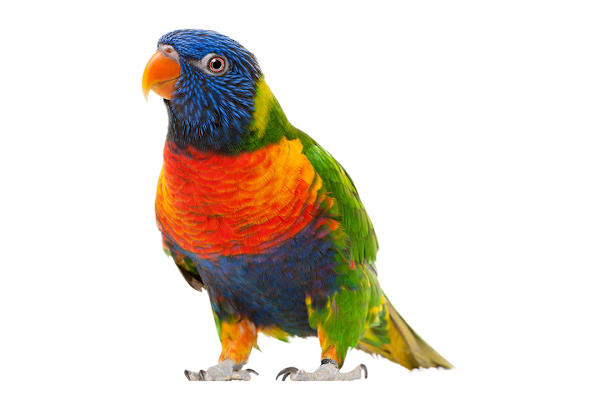
Lory & Lorikeet Care: Nectar Diet, Habitat & Behavior for Happy Birds
Learn how to take care of Lory and Lorikeets, recommended diet and habitat. Find the right food, supplies and equipment at your neighborhood Petco.
Updated on April 9th, 2026
- Food & Nutrition
How should I feed my cockatiel and what about their water bowls?
Thanks for all of your questions! You do not need to provide a cockatiel with grit - as a parrot, this material is not necessary for them to digest their food. For produce, I would recommend focusing on vegetables that are high in vitamin A and calcium - this is typically the brightly colored vegetables (such as bell peppers) and dark leafy greens. For fruits, ideally you would focus on tropical fruits, as they have more fiber and less sugar than our temperate fruits. These would include fruits such as mango and papaya. For feeding, I would recommend feeding 60-70% pellets, 20% vegetables, 5% fruit, and 5% seeds. An average cockatiel can be offered about 1/4 of food per day - some birds spill more than others so this would just be a place to start and you can then increase or decrease as needed. We want them to be eating portions of each food item, so don't offer too much food, or they will just pick out what they like (typically the seeds and fruit). You can offer multiple bowls of water - often cockatiels will bathe in one and drink from the other. Tap water is acceptable, as long as it is safe for you to be drinking as well. You don't need to offer insects, as the diet that I outlined above is nutritionally complete. I hope that answers all of your questions, and thanks for using Petco Pet Education Center, formerly Petcoach.
Updated on September 24th, 2025
- Health & Wellness
My bird has puffed feathers and bloody droppings. Natural remedies?
Unfortunately, you're probably not going to find anything that is effective. The bloody droppings can be due to infection, parasites or malnutrition to name a few causes. The puffed up feathers can be a general symptom of stress or illness. Ideally, Bruno should be physically examined by your veterinarian or an experienced avian veterinarian to diagnose illness or injury. Submit a stool sample to diagnose intestinal parasites or bacterial overgrowth. Do not medicate him without the advice of your veterinarian, even if using herbs or other supplements.
Updated on September 24th, 2025
- Health & Wellness
My budgie's wing is bleeding. Can I use its mother's medicine?
Without knowing the name of the product, it cannot be determined if it is necessary. Usually, you don't want to medicate your pet or start a supplement without the advice of your veterinarian. It is possible Houdini broke a blood feather or injured himself causing bleeding. You will need to gently look under his wing. You can pluck a broken blood feather if you have done it before, otherwise leave it for your vet or a vet experienced in treating birds. Make an appointment to have Houdini examined. You can bring the water additive with you to discuss its use with your vet.
Updated on September 24th, 2025
- Food & Nutrition
What budgie food provides all nutrients, so I don't need vitamins?
A good quality commercial pelleted diet such as Harrison's, Lafeber, KayTee Exact or Pretty Bird can provide complete nutrition. You can supplement with small amounts of a fortified seed mix as well as a variety of fresh fruits and vegetables.
Updated on September 24th, 2025
- Vet Q & A
What are the signs of a healthy pet bird? How can I check my bird?
Your birds feathers should be thick, glossy and smooth . There should be no bare patches on, under the wings, the back, abdomen tail or vent area. Bare patches can be a sign of feather plucking, poor nutrition and illness. Your bird should have an upright posture with a full-chest appearance. THe eyes should be clear and bright. The nostrils should be open all the way, no blockage and no signs of redness, discharge or sneezing. The beak should be smooth, there should be no growths or rough spots or peeling and it should close perfectly. The feet should have soft scales and not be white-gray. Younger birds have pink gray feet, older ones have white scales. The legs and the feathers around the vent area should be clean without poop stains. The droppings in the cage should not be watery. The urine in the droppings should always be clear, the urates should be white and there should be a brown greenish part of feces also. I hope this helps.
Updated on September 24th, 2025